How to Choose the Right Artwork Storage
Is your precious art collection safe from damage and time? Whether you’re a new collector or a seasoned enthusiast, storing artwork properly is a must.
Without the right care, paintings can fade, sculptures can crack, and value can be lost. Poor storage can ruin both aesthetics and value.
Art deserves a space that protects and preserves its beauty. Luckily, with a few smart choices, that’s easy to achieve.
This guide will show you how to store your art the right way and keep it safe for years to come. Read on!
Understand Your Artwork’s Needs
Keeping different kinds of art in different places is important. Oil paintings on canvas are especially sensitive to changes in temperature and humidity.
Keep photographs and art on paper away from direct light and water. Sculptures might need padded supports or crates to keep them from breaking. Figuring out the best way to store your art depends on what it’s made of.
Choose a Climate-Controlled Space
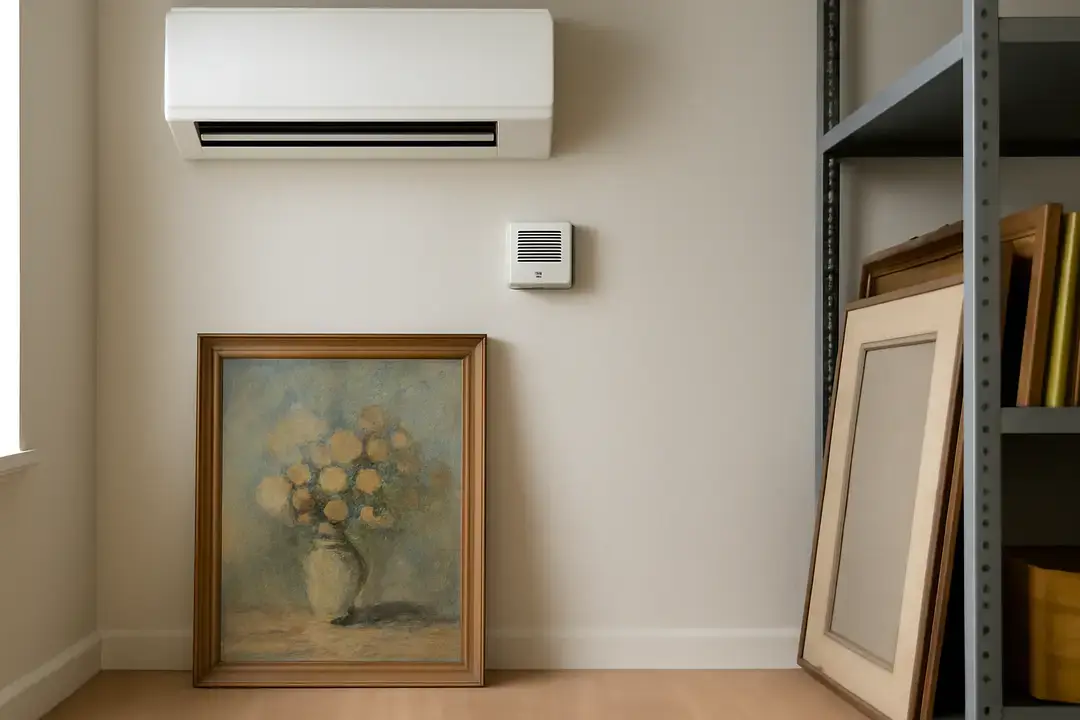
Temperature and humidity are very important for keeping art in good shape. Too much heat or moisture in a room can lead to mold, warping, or cracking.
A temperature of 65 to 70°F and a humidity of 40 to 50 percent should be your goal. If the weather changes a lot, stay away from attics, basements, and garages. The best choice is a dedicated room or storage facility with climate control.
Make Security a Priority
Art collections can be valuable and attract unwanted attention. Good artwork storage should have strong locks, surveillance cameras, and restricted access.
Alarm systems and 24/7 monitoring add extra protection. If storing at home, choose a room with minimal windows and consider insurance coverage. Art storage centers also offer professional security features for peace of mind.
Use Proper Shelving and Supports
Stacking art or leaning it against walls can cause long-term damage. Use shelving units, racks, or storage bins designed specifically for art.
For flat art, store pieces vertically with soft dividers in between. Sculptures should be placed on sturdy, padded surfaces to avoid shifting. Never store artwork directly on the floor, especially in flood-prone areas.
Label and Organize the Collection
Keeping artwork organized helps avoid damage during handling. Label each item clearly with its title, artist, and medium. Use protective sleeves or wrap pieces in acid-free materials.
Create a catalog or digital inventory to track everything easily. A good organization also makes it faster to access or rotate pieces when needed. If you’re unsure where to start, you can find art storage here that offers safe, professional solutions tailored to your collection’s size and type.
Consider Long-Term vs. Short-Term Storage
Short-term storage may only need basic shelving in a clean room. Long-term storage should be more carefully planned with climate and security controls.
Think about how often you’ll need access to the artwork. If it’s rarely needed, off-site storage could be more practical. For rotating displays, an in-home or nearby location may be best.
Getting the Most Out of Your Art Collection Storage Options
Keeping your art collection in the right way will keep it looking great and keep its value over time. You can avoid common problems like fading, warping, or loss by paying attention to climate, security, organization, and how you store your things.
It doesn’t matter how many pieces you have-careful storage is always worth the time. The right setup gives you peace of mind, whether you’re at home or work. Take the time to keep your art safe, and you’ll enjoy it for longer.
Did you like this guide? Great! Please browse our website for more!
Further Reading