What Is an eSIM and Why You Need One for Travel
Remember the frantic search for a paperclip to pop open your phone’s SIM tray at the airport? Or that sinking feeling when you get a phone bill full of outrageous roaming charges after a trip? For years, that was just the price of staying connected abroad. But now, there’s a much smarter way to handle your mobile data, and it’s already built into your phone. It’s called an eSIM, and it’s here to make your life a lot easier.
This guide will break down exactly what an eSIM is, how it works, and why it might be the best tech upgrade you make this year, especially if you have an upcoming trip.
Ditching the Plastic: How eSIM Technology Works
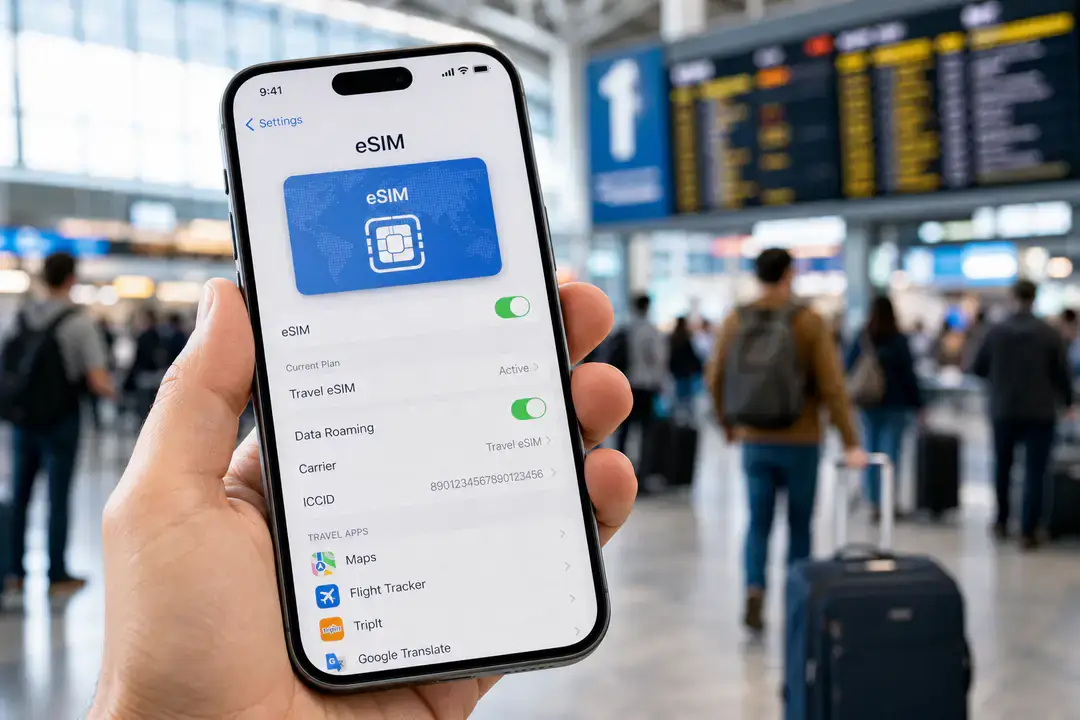
An eSIM, or embedded SIM, is a small chip that’s permanently installed inside your device. Think of it as a digital version of the traditional plastic SIM card. Instead of needing to physically insert a card to get mobile service, you simply download a digital “SIM profile” from a carrier directly to your phone. There’s no tiny piece of plastic to lose and no tray to fumble with.
The entire process is software-based. You can buy a data plan online, get a QR code via email, scan it with your phone’s camera, and you’re connected in minutes. It’s a clean, digital solution to an old hardware problem, offering a level of flexibility we just didn’t have before.
The Big Perks of Going Digital with Your SIM
Switching from a physical card to a digital profile might seem like a small change, but the benefits are significant. It’s about more than just avoiding paperclips; it’s about having more control over your connectivity.
Ultimate Convenience for Travelers
This is where eSIM technology truly shines. You can land in a new country, connect to the airport Wi-Fi, and buy and activate a local data plan before you even get to baggage claim. No more hunting for a local store or trying to navigate a foreign website at a kiosk. This is particularly useful for frequent flyers. For example, a good eSIM for business travel can save you both time and money, letting you switch between regional plans as you move from country to country without any physical hassle.
Flexibility to Hold Multiple Plans
Most eSIM-compatible phones let you store multiple eSIM profiles at once. This means you can keep your home plan active for calls and texts while using a different, cheaper eSIM for data when you’re abroad. It’s also great for people who want separate numbers for work and personal use on a single device. You can easily switch between your active plans right from your phone’s settings.
A Greener, More Secure Option
While it may seem small, eliminating the production and shipping of billions of plastic SIM cards has a positive environmental impact. On the security side, an eSIM can’t be physically removed and put into another phone if your device is lost or stolen. This adds a simple but effective layer of security, making it harder for someone to take over your number.
Getting Started with an eSIM
Making the switch is surprisingly simple. Most modern smartphones from Apple, Google, and Samsung made in the last few years already support eSIMs. Here’s a quick rundown of how to get your first plan up and running.
- Check Your Device: First, confirm your phone is eSIM compatible. A quick search for your model number plus “eSIM support” will give you the answer. Most recent iPhones, Pixels, and Galaxy devices are good to go.
- Choose a Provider: Find a global or regional eSIM provider online. Look for one that offers plans for your destination with a good amount of data for a fair price.
- Install Your Profile: After purchasing, you’ll typically receive a QR code. Just go to your phone’s cellular or mobile settings, select “Add eSIM” or “Add Cellular Plan,” and scan the code.
- Activate and Go: Follow the on-screen prompts to label your new plan (e.g., “Europe Data”) and choose which line you want to use for mobile data. You’ll be online in minutes.
The Future is Embedded: What’s Next for SIMs?
The industry is moving quickly toward an eSIM-first world. In the U.S., the newest iPhones don’t even have a physical SIM tray anymore. This shift is made possible by a technology called remote sim provisioning. It’s the backbone of the eSIM ecosystem, allowing carriers to securely send plan details to your device over the air. This opens the door for instant connectivity not just for phones, but for everything from smartwatches and tablets to cars and smart home devices. Better travel connectivity is just the beginning.
Is an eSIM Right for You?
If you travel, want the flexibility of multiple numbers, or just love adopting smarter tech, an eSIM is a fantastic choice. It transforms your phone’s connectivity from a physical limitation into a flexible, digital feature. The convenience, cost savings on roaming, and added security make it a clear winner for almost any modern phone user.
Ready to make the switch? Check your phone’s settings to see if it’s eSIM-ready and explore some data plans for your next adventure. You might never need that paperclip again.
Further Reading