
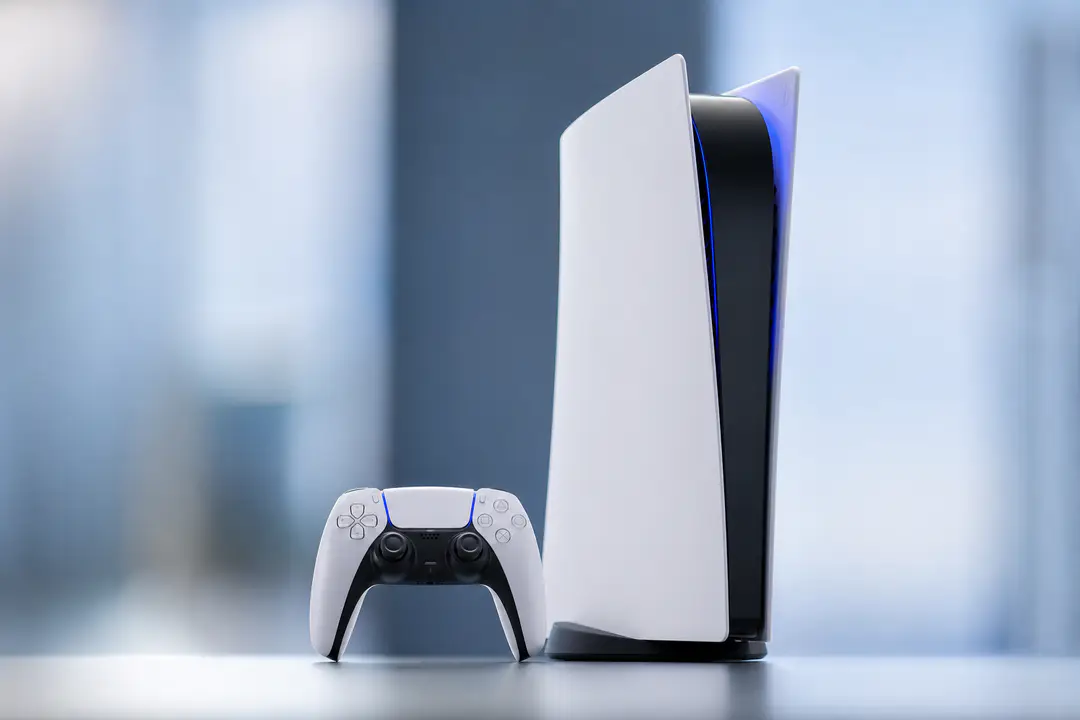
PS5 Explained: Models, Specs, Features, FAQs
PlayStation 5 launched in two waves, first on November 12, 2020 in Australia, Japan, Korea, North America, and New Zealand, then on November 19, 2020 worldwide, and it has grown into one of Sony’s biggest hardware successes with 92.1 million units sold as of December 31, 2025. People searching for PS5 usually want the same answers: which model to buy, what the hardware actually delivers, how backward compatibility works, and whether a disc drive still matters. The short answer is simple: every PS5 model is built around fast SSD-based loading, DualSense features, and strong PS4 support, but the right version depends on whether you want physical games, digital purchases, or the extra graphics headroom of PS5 Pro.
What the PS5 family includes
Sony Interactive Entertainment built the PS5 as a home video game console generation centered on storage speed, modern graphics features, and tighter controller immersion than the PlayStation 4 era. That matters because the jump from hard-drive-based game installs to an SSD changed loading times more dramatically than small spec-sheet differences ever could. Lightning-fast loading is not a slogan here; it is the reason cross-generation games often feel more responsive on PS5 before image quality even enters the conversation.
The family now spans several buying paths rather than one fixed box. There is a disc edition for players who want physical media, an all-digital console for buyers committed to the PlayStation Store, slimmer revisions that reduce size while keeping the same core experience, and PS5 Pro for users prioritizing sharper graphics, advanced ray tracing, and high frame rate gameplay. Foxconn has long been part of the manufacturing picture behind Sony hardware, but for buyers the practical question is simpler: pick the version that matches how you buy games and what display you plan to use.
- Original launch hardware included a standard model and a PS5 Digital Edition.
- Base internal storage originally sat at 825 GB.
- Current retail configurations include 1TB PS5 disc models, an 825GB Digital Edition, and a 2TB PS5 Pro.
- Physical media support depends entirely on whether the console has a disc drive attached.
PS5 models compared
The biggest shopping mistake is treating every PS5 as interchangeable. They share the same ecosystem, the same PlayStation Network services, and access to PlayStation Plus, but ownership costs and media flexibility change depending on the hardware you choose.
Disc and Digital Edition
The classic split is straightforward. A disc edition includes an Ultra HD Blu-ray drive, which means physical PS5 games, PS4 discs, and movie playback remain available. The Digital Edition removes that drive and shifts your library to downloads from the PlayStation Store.
That choice changes more than convenience. Physical buyers can shop used copies, borrow games, and keep a shelf library. Digital-only buyers get a cleaner hardware profile and skip disc swapping, but every purchase flows through the digital storefront unless a compatible add-on drive is supported for that model group.
Slim revisions
PS5 Slim matters less for performance than for form factor. The slim disc and slim digital versions keep the PS5 experience intact while reducing bulk, which makes placement easier in tighter entertainment setups. Sony also notes that the vertical stand is sold separately, so anyone planning a vertical setup should factor that into the purchase instead of assuming it comes in the box.
Retail listings also make the practical benefit clear: the slim models narrowed the old size gap that once made the standard machine noticeably bulkier. If cabinet space matters, slim hardware is often the cleaner fit.
PS5 Pro
PS5 Pro is the premium branch of the lineup. It ships with 2TB of storage and focuses on improved image clarity, stronger ray tracing, and high frame rate gameplay in supported PS5 games. It plays digital PS5 games out of the box, while a separately sold disc drive can add physical media support for compatible slim-era model groups.
If you are comparing value, the key question is display hardware. On a modest screen, the base console already delivers a strong PS5 experience. On a 4K display where visual upgrades matter, PS5 Pro makes more sense as the PlayStation console built for buyers who care about graphics settings first.
| Model | Storage | Disc support | Introductory price |
|---|---|---|---|
| PS5 base | 825 GB at launch | Built-in Ultra HD Blu-ray disc drive | US$499 |
| PS5 Digital Edition | 825 GB | No built-in disc drive | US$399 |
| PS5 Slim disc | 1TB | Built-in disc support | Not listed here |
| PS5 Slim Digital Edition | 825 GB | Optional additional disc drive for compatible model groups | Not listed here |
| PS5 Pro | 2TB | Additional disc drive sold separately | US$699 |
Hardware features
Raw spec sheets only tell part of the story, so the better way to read the PS5 is by the experience each component changes. The custom CPU and custom GPU set the platform’s baseline for modern graphics, but the SSD and controller tech define how different it feels from older consoles.
SSD and loading
The SSD is the PS5’s most important hardware shift. It cuts loading times, reduces waiting between large areas, and supports game design that moves more quickly between action, menus, and travel. If you are moving from a PS4 with a standard hard drive, this is the upgrade you notice first.
Storage size still matters, though. An 825GB model fills faster than many buyers expect once several large PS5 games, patches, and media apps are installed. A 2TB Pro model gives more breathing room before library management becomes a routine chore.
DualSense features
DualSense is more than a renamed controller. Sony built its identity around haptic feedback and adaptive triggers, and those two features shape how many first-party games feel in practice. A bow draw, brake pressure, or surface change can register through trigger resistance and more detailed vibration than older PlayStation pads offered.
That does not mean every game uses the features equally. PlayStation Studios releases usually lean into them more aggressively than cross-platform titles, so buyers interested in the full controller experience will feel the difference most clearly in console exclusives and Sony-led releases.
Audio, visuals, and connectivity
3D Audio is one of the quieter strengths of the system. In supported games, directional sound helps with positioning, scale, and environmental detail, especially through a good headset. It is one of those features players stop thinking about until they switch back to flatter audio.
On the video side, PS5 supports ray tracing in compatible titles, and PS5 Pro pushes harder on image clarity and advanced ray tracing. Wireless standards also matter more than they did in the previous generation, with Wi-Fi 6 appearing as a useful baseline and Wi-Fi 7 entering the conversation for newer hardware comparisons. Ports such as USB Type-A remain relevant for charging, external accessories, and legacy peripherals.
- Custom CPU and custom GPU support modern PS5 graphics features.
- SSD storage drives the console’s biggest leap in loading times.
- DualSense adds haptic feedback and adaptive triggers.
- 3D Audio improves spatial awareness in supported games.
- Ray tracing and higher visual modes matter most in games designed around them.
Players who follow gaming trends can see the broader shift clearly: platform upgrades are now judged as much by speed, frame-rate stability, and controller features as by polygon counts alone.
Backward compatibility
PS5 handles backward compatibility well enough that a PS4 owner rarely needs to keep both consoles connected. The overwhelming majority of the PS4 library works on PS5, and more than 4,000 PS4 games are playable. Sony also notes broader support for over 8,500 PS4 games across PS5 consoles, which reflects how most buyers use the term in practice: if it ran on PS4 and mattered, there is a strong chance it runs here.
Disc access follows hardware rules. A PS4 game disc works on a PS5 with a disc drive, and the disc must stay inserted each time you play. A PS5 Digital Edition cannot use PS4 discs at all, which is one of the clearest buying arguments for a disc edition if you already own a physical PS4 library.
Game Boost adds another layer. Select PS4 titles run at faster or smoother frame rates on PS5, and that can make older games feel cleaner than they did on original hardware. Some PS4 features do not carry over perfectly, and a small set of titles remain PS4-only, including Afro Samurai 2 Revenge of Kuma Volume One, Just Deal With It!, Robinson: The Journey, We Sing, Hitman Go: Definitive Edition, and Shadwen.
- Thousands of PS4 games are playable on PS5.
- Game Boost improves performance in select PS4 titles.
- Digital PS4 purchases can be downloaded to PS5 from your library.
- Existing game data can transfer over WiFi or from compatible USB storage.
- PS VR games run on PS5 with the required PS VR headset, PS Camera for PS4, and adaptor.
That compatibility also keeps long-tail games relevant. Players still revisiting live-service titles or older RPGs, or checking command-heavy games like those discussed in Fallout 4 console commands, benefit from the fact that PS5 remains friendly to a large PS4-era library even if certain PC-only features are outside the console ecosystem.
Buying choices
Price matters, but format choice shapes long-term cost more than launch MSRP alone. Introductory pricing started at US$499 for the base PS5, US$399 for the Digital Edition, and US$699 for PS5 Pro. That spread tells you exactly how Sony positions the family: standard for broad appeal, digital for lower entry cost, and Pro for buyers paying extra for premium visuals and more storage.
A Digital Edition makes the most sense for players who already buy almost everything through the PlayStation Store, share games primarily through account access, and subscribe to PlayStation Plus for monthly titles and catalog access. A disc edition still wins on flexibility because it opens the used market, supports gifting physical copies, and doubles as an Ultra HD Blu-ray player.
There is also a regional story behind availability. Beyond the initial 2020 rollout, additional dates included Indonesia on January 22, 2021, India on February 2, 2021, Vietnam on March 19, 2021, China on May 15, 2021, and the Philippines on December 11, 2021. If you are buying imported hardware or comparing bundles across markets, regional release timing helps explain why certain model variants surfaced later in some stores.
| Region group | Release date |
|---|---|
| Australia, Japan, Korea, North America, New Zealand | November 12, 2020 |
| Worldwide wider release | November 19, 2020 |
| Indonesia | January 22, 2021 |
| India | February 2, 2021 |
| Vietnam | March 19, 2021 |
| China | May 15, 2021 |
| Philippines | December 11, 2021 |
For buyers tracking software momentum before choosing a console, major releases and platform chatter such as GTA 6 pre-orders often shape whether it makes sense to buy now or wait for a bundle.
What comes with a PS5
Bundled contents vary by retail package, but the core retail message around PS5 hardware is consistent: the console and DualSense are the centerpieces. Buyers should pay close attention to accessories that are not guaranteed in every box, especially if they are planning a vertical setup or physical media playback on digital-focused models.
- The console itself, in the specific model purchased.
- A DualSense wireless controller.
- Built-in storage based on model: 825GB, 1TB, or 2TB.
- A built-in disc drive only on disc-based versions.
- No assumption of an included vertical stand, since it is sold separately.
The distinction becomes important when comparing shelf price. A slim digital model plus added storage or a separate disc drive can close the gap with a disc edition quickly. The lower sticker price is only the full story if you know you want an all-digital console from day one.
FAQs
When did PS5 launch?
PS5 launched on November 12, 2020 in Australia, Japan, Korea, North America, and New Zealand. The wider worldwide release followed on November 19, 2020.
What is the difference between PS5 and PS5 Digital Edition?
The main difference is the disc drive. The standard PS5 includes an Ultra HD Blu-ray drive for physical games and movies, while the Digital Edition relies on downloads from the PlayStation Store.
How much did PS5 cost at launch?
The base PS5 launched at US$499, the PS5 Digital Edition at US$399, and PS5 Pro at US$699. Current store pricing can vary by retailer and bundle.
Does PS5 support backward compatibility?
Yes. The overwhelming majority of PS4 games are playable on PS5, with thousands supported and select titles improved through Game Boost.
Can PS5 play PS4 discs?
Yes, but only on a PS5 with a disc drive. A PS5 Digital Edition cannot use PS4 game discs.
What storage does PS5 have?
Launch PS5 hardware used 825GB of internal storage. Current configurations include 1TB PS5 disc models and a 2TB PS5 Pro.
Is PlayStation Plus required on PS5?
PlayStation Plus is not required to own or use the console, but it adds benefits such as online multiplayer in many games, monthly titles, and access to a changing library of PS5 and PS4 games.
The Bottom Line
The best PS5 is the one that matches how you buy games. If physical ownership still matters, get a disc edition; if you want Sony’s strongest visual push, PS5 Pro is the clear pick. As more games target high frame rate gameplay, ray tracing, and faster asset streaming as standard design assumptions, the PS5 family remains central to where console gaming is heading next.