
Inside America’s Top PHA Producers
Retailers have spent the last few years hunting for packaging that reduces plastic waste without sacrificing shelf life, clarity, or cost control. Polyhydroxyalkanoates (PHA) are showing up in that search because they’re bio-based, can be designed to break down in specific environments, and slot into familiar converting workflows. In this guide, I’ll explain how U.S. PHA supply chains work, who is producing material for the market, and what practical steps help retail teams run a clean pilot from sample to store shelf.
Why PHA Is Gaining Ground With Retail
Brands want packaging that hits sustainability targets without risking product protection. PHAs are a family of naturally occurring polyesters made by microbes during fermentation. They can be tailored for stiffness or toughness, blended with other resins, and processed on standard film, thermoforming, and coating lines with reasonable adjustments. The result is a credible path for applications like produce bags, barrier-coated paper, straws, utensils, and single-serve pods.
From a communications standpoint, PHA also helps simplify claims when used appropriately, especially when paired with third-party certifications and clear disposal guidance. That said, performance varies by grade, so early lab work and line trials are essential.
How U.S. PHA Production Works
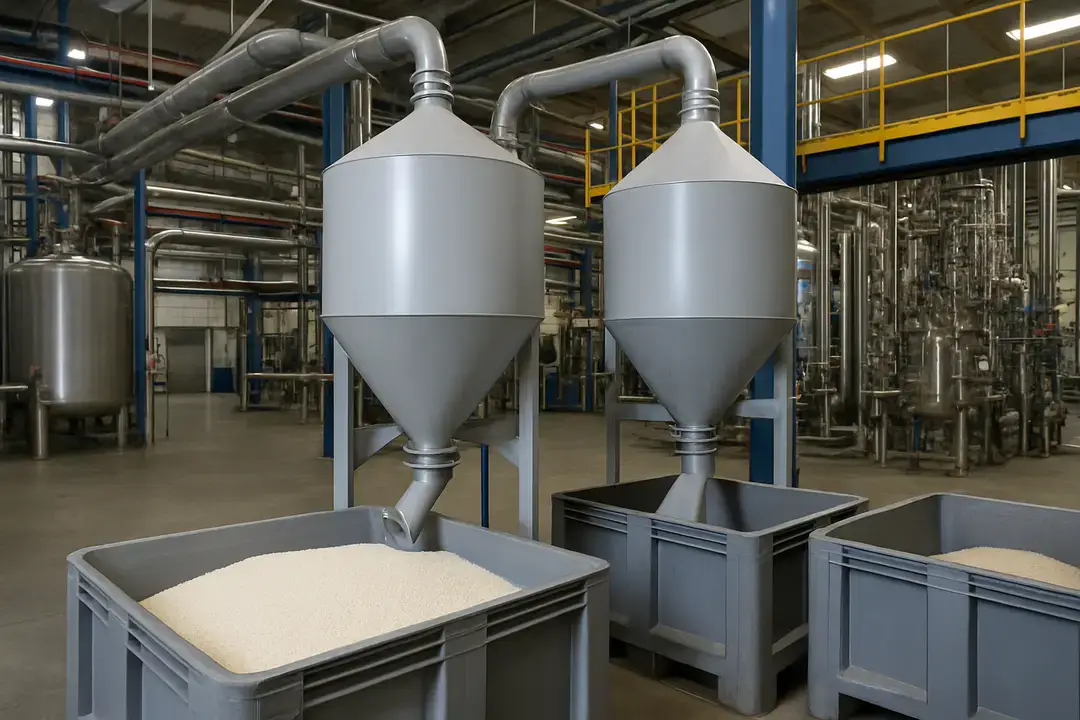
Most producers feed sugars, plant oils, or waste lipids to specialized bacteria or engineered microbes in stainless steel fermenters. After fermentation, the polymer is recovered by separation and purification steps, then compounded into pellets or masterbatches. Converters run those pellets on blown-film, cast-film, injection, or extrusion coating lines. For retail buyers, the key takeaway is that “PHA” describes a family, not a single material—grades differ in melt flow, crystallinity, heat resistance, and ductility, which dictates where they fit.
Who Is Making PHA for the U.S. Market
Several players produce PHA domestically or supply the U.S. from North American operations. Product portfolios span short-chain and medium-chain PHAs, plus blends tailored for films, coatings, and molded parts. Capacity continues to ramp as brands move from pilots to regional launches. If you’re surveying suppliers, start with a landscape scan of PHA manufacturers in USA to understand feedstocks, grade availability, and support capabilities. Prioritize partners that can provide application engineering, migration and shelf-life data, and guidance on certification and labeling.
Packaging Formats and What to Watch
Before you green-light a trial, align format and performance targets with the right PHA grade:
- Films and Bags: Many retail pilots start here. Blends can improve toughness and sealing. Validate haze, tensile strength, dart impact, and seal integrity at production speed.
- Coated Paper: PHA dispersions or extrusion coatings can replace fossil PE in cups, wraps, and liners. Test cup rigidity, Cobb value, and hot-fill behavior.
- Molded Utensils and Lids: Heat resistance is the gating factor. Check Vicat softening point and dimensional stability after hot exposure.
- Pods and Trays: If product sits in moisture or heat, run accelerated aging plus barrier testing to ensure shelf stability.
Cost, MOQs, and Lead Times
Expect pricing to reflect an emerging biopolymer category. Producers may ask for quarterly or semiannual volume commitments and minimum order quantities to reserve capacity. Lead times tighten near seasonal peaks, so lock forecasts early and keep a safety stock during pilots. Cost parity with legacy plastics is rare, but total cost of ownership can improve when you consider avoided PFAS coatings, simplified end-of-life claims, and brand equity. Negotiate application engineering support; it often speeds problem solving and reduces scrap during scale-up.
Compliance and End-of-Life
PHA’s environmental story depends on truthful claims and third-party validation. For compostability in the U.S., look for certification through the Biodegradable Products Institute (BPI) and make sure the exact format—film, coating, or molded item—is covered by the certificate. Review the FTC Green Guides to keep marketing language accurate and avoid broad “biodegradable” claims that imply performance in environments not supported by evidence. For food packaging, confirm that the grade—or a functional barrier—meets applicable FDA Food Contact requirements for your use conditions and temperatures.
- External resources: • BPI Certification: https://bpiworld.org • FTC Green Guides: https://www.ftc.gov/business-guidance/resources/green-guides • FDA Food Contact Substances Inventory: https://www.fda.gov/food/packaging-food-contact-substances-fcs/inventory-effective-food-contact-substance-fcs-notifications
What Retail Buyers Should Ask Before a Pilot
A structured vetting process will save time:
- Material Fitness: Which grades map to your line speeds, temperatures, and sealing equipment? Ask for MFR, Vicat, and tensile/elongation ranges.
- Application Data: Request migration, grease, and moisture barrier results that mirror your product’s conditions.
- Certification Status: Confirm compostability scope by item and thickness, not just by polymer family.
- Quality and Consistency: Review COAs for every lot and ask about change-control procedures.
- End-of-Life Messaging: Align claims and labeling with local access to composting and retailer signage.
Getting From Sample to Store Shelf
Start with 10–50 kg of resin to dial in temperatures, die gaps, and chill rolls or mold settings. Capture baseline KPIs: waste rate, seal strength, haze, and cycle time. Move to a controlled pilot across a limited SKU set and region, with on-shelf monitoring for curl, sealing defects, or scuffing. Build a feedback loop with store operations and customer care so you can adjust gauge, blend ratios, or coatings quickly. When performance is proven, expand distribution and lock in supply agreements that reflect your rolling forecast.
Conclusion
PHA will not be the answer for every SKU, but it is a credible option for many retail formats when you match grade to application and keep claims tight. The teams that succeed pair strong supplier relationships with disciplined trials and clear consumer guidance. With a careful pilot plan and the right data, you can bring lower-impact packaging to market without surprises.
FAQ
Is PHA home compostable? Some thin films and items may break down in specific home composting conditions, but validation is case-by-case. Rely on third-party certification and avoid broad claims.
Can PHA run on existing film lines? Often yes, with adjustments to temperatures, screw speed, and die settings. Plan for a brief learning curve and document the recipe.
What about blending with PLA or PBAT? Blends can improve toughness or processing, but always re-validate compostability and food contact for the exact formulation and thickness.
Further Reading