How to Flush Your Radiator and Coolant System: A Step-by-Step Guide
Keeping your vehicle’s cooling system clean is crucial for engine performance and longevity. Over time, coolant can become contaminated with rust, sediment, and grime, reducing its effectiveness and potentially leading to overheating. Many car owners avoid flushing their coolant systems because they assume it’s complicated or expensive—but in reality, it’s a straightforward DIY job that can save you money and prevent costly repairs.
In this guide, we’ll walk through the process of flushing a dirty, rusty coolant system and restoring it to like-new condition.
Why Flush Your Coolant System?
Coolant (or antifreeze) plays a vital role in regulating engine temperature, preventing corrosion, and lubricating the water pump. Over time, contaminants build up, leading to:
- Reduced cooling efficiency – Sludge and rust act as insulators, making it harder for the engine to stay cool.
- Clogged passages – Sediment can block small coolant passages, leading to overheating.
- Corrosion – Old or diluted coolant loses its anti-corrosive properties, causing rust inside the radiator and engine.
Most manufacturers recommend replacing coolant every 2-5 years, depending on the type used.
Step 1: Draining the Old Coolant
Tools Needed:
- Drain pan (large enough to catch coolant)
- Gloves & safety glasses
- Screwdriver (if needed for radiator drain plug)
- Hose (optional, to direct coolant flow)
Steps:
- Ensure the engine is cool – Never open the radiator cap on a hot engine!
- Remove the radiator cap – This helps the coolant drain faster.
- Locate the radiator drain plug – On this truck, it was a red plastic plug at the bottom corner. Some vehicles have a petcock valve.
- Drain the coolant – Place a large pan underneath and open the drain. To minimize splashing, attach a hose to direct the flow.
- Run the engine briefly – Turn the car on for a minute to let the water pump push out any remaining coolant.
Pro Tip: If the coolant looks like thick, muddy sludge, your system is overdue for a flush!
Step 2: Initial Water Flush
Before using a chemical flush, it’s best to rinse the system with water to remove loose debris.
- Close the drain plug and refill the radiator with water (distilled is ideal, but tap water is fine for flushing).
- Start the engine and let it run for 10-15 minutes to circulate the water.
- Watch the temperature gauge! If the thermostat is clogged, the engine may overheat.
- Drain the water – Repeat this process until the water runs clearer (this truck required four flushes before improvement).
Step 3: Using a Radiator Flush Product
For stubborn buildup, a coolant system cleaner helps dissolve rust and scale.
- Add the flush product (such as Blue Devil or any reputable brand) to the radiator.
- Top off with water and run the engine for 10-15 minutes (or as directed on the bottle).
- Drain the system completely – You’ll likely see more gunk come out.
Step 4: Cleaning the Overflow Tank
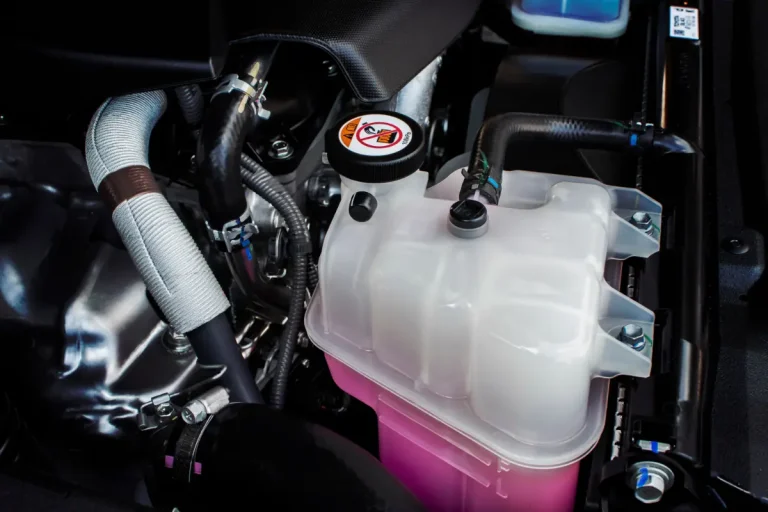
While waiting for the system to cool, clean the overflow/reservoir tank:
- Remove it (if possible—don’t open pressurized expansion tanks!).
- Scrub with hot water, dish soap, and abrasive material (rice, sand, or cat litter) to remove sludge.
- Rinse thoroughly before reinstalling.
Step 5: Refilling with Fresh Coolant
Now that the system is clean, refill with the correct coolant mixture.
- Use a 50/50 premix (or mix concentrate with distilled water).
- Fill the radiator slowly to avoid air pockets.
- Start the engine and let it warm up to help “burp” trapped air.
- Top off the coolant as needed and fill the overflow tank to the proper level.
Final Checks
- Run the engine until it reaches operating temperature, then let it cool and recheck levels.
- Monitor for leaks over the next few days.
- Dispose of old coolant properly—it’s toxic and should never be poured down the drain!
Conclusion
Flushing your coolant system isn’t just about maintenance—it’s about preventing engine damage. This truck’s coolant went from muddy brown to clean and clear after a thorough flush. If your coolant looks dirty, don’t wait—flush it before overheating becomes a problem!