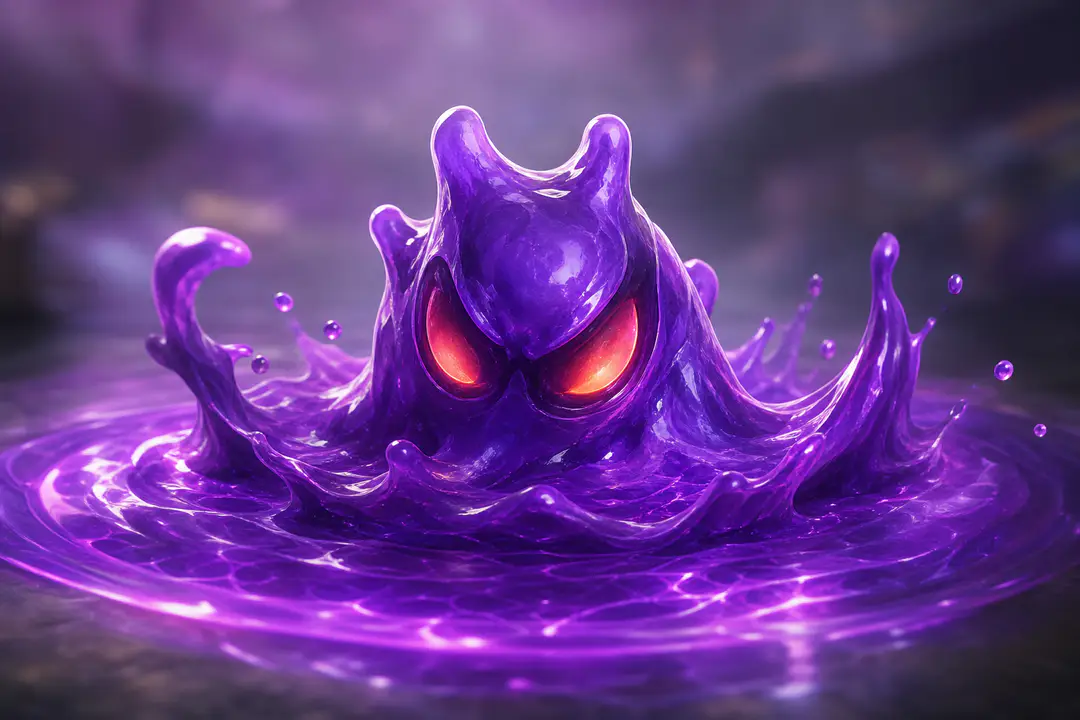
Gloo Ultimate Ability in Mobile Legends Explained
Gloo’s ultimate in Mobile Legends: Bang Bang is all about entering a split form, turning into Goos, and pressuring enemies with constant contact damage plus a follow-up attach threat. If you are confused about what the skill actually does after the Gloo revamp, the key points are simple: the ultimate has an opening hit in a fan-shaped area, the split lasts 4 seconds, and Gloo gains 10% Movement Speed while chasing targets. Once you understand the timing, damage spread, stacks, and immobilizing setup, the skill becomes much easier to use and much easier to counter. You only need a basic grasp of Gloo skills, enemy spacing, and when crowd control is available.
What Does Gloo’s Ultimate Do?
Gloo ultimate name is Split, Split. On cast, Gloo breaks apart and enters his split state, creating the play pattern that defines the hero in both roaming and EXP lane matches. The opening cast deals 100 (+80% Total Magic Power) Magic Damage in a fan-shaped area, then Gloo split into Goos and starts damaging enemies he touches.
During split form, Gloo deals 80 (+15% Total Magic Power) Magic Damage every 0.25 seconds to enemies in contact range. That repeated damage is why standing still near him is a mistake. It also helps Gloo build pressure before going into his attach sequence with accumulated stacks.
If you have not played against modern Gloo since the revamp release date in 2025, it helps to forget some habits from old Gloo. The old Gloo and post-revamp Gloo still revolve around sticking to targets, but the current version is easier to read when you focus on three ideas:
- the opening fan-shaped area hit
- the 4-second split chase window
- the transition into attach pressure after stacks are built
How Does Gloo’s Split Form Work?
Split form changes how you move, how you deal damage, and how enemies should react. While split, Gloo gains 10% Movement Speed, which matters because the form is short and every second is about staying in contact with a priority target. If Gloo loses contact or chases the wrong enemy, much of the ultimate value disappears.
The repeated damage is touch-based, not a single burst hit. That means the best Gloo players path tightly around dashes, corners, and body blocks rather than simply running in a straight line. If you are the one defending, your goal is the opposite: break contact, force Gloo through peel tools, and make the split timer expire before he gets full value.
| Mechanic | Effect |
|---|---|
| Ultimate name | Split, Split |
| Opening hit | 100 (+80% Total Magic Power) Magic Damage |
| Opening shape | fan-shaped area |
| Split duration | 4 seconds |
| Split bonus | 10% Movement Speed |
| Contact damage | 80 (+15% Total Magic Power) Magic Damage every 0.25 seconds |
Many players miss the damage spread part of fighting Gloo. Once he reaches his attach pattern, incoming damage can be redirected through the target relationship he creates, so panicked focus fire can punish your own side. That is why Gloo remains a strong control tank even when his raw numbers are not the whole story.
How to Cast Gloo’s Ultimate Correctly
The best way to use Gloo ultimate is to treat it as a short conversion window, not a panic button. You want enemies already slowed, grouped, or forced into narrow movement so the fan-shaped area connects and the split chase starts immediately. Casting from too far away wastes the strongest part of the skill, which is contact time.
Step 1: Build stacks first
Start by tagging your target with your other Gloo skills before you commit the ultimate. Gloo skill combo works best when stacks are already on the enemy, because your split chase then threatens an attach follow-up instead of just chip damage. A target with no stacks has more freedom to retreat, kite, or bait your timer.
The common mistake is opening with the ultimate from neutral spacing. That gives the enemy too much time to sidestep the fan-shaped area and saves their mobility for your split chase. A cleaner approach is to pressure with your basic control pattern first, then ult once the opponent has already spent a movement tool.
- Land your setup skill and look for existing stacks.
- Track whether the enemy dash or Flicker is still available.
- Only commit if you can stay in contact after splitting.
A practical way to sharpen this is to watch your own replays and note how often you cast too early. If you are also learning broader ML fundamentals, brushing up on gaming tips around spacing and cooldown tracking helps this hero a lot.
Step 2: Aim the fan-shaped area
When you activate Split, Split, place the opening cast so it clips the enemy’s escape angle, not just their current position. The initial hit deals 100 (+80% Total Magic Power) Magic Damage in a fan-shaped area, so angled placement matters. Hitting where they want to move is often better than hitting where they are standing.
This step matters because the first hit starts the sequence cleanly and pushes the target into a bad lane. If you aim directly at a mobile marksman or mage without accounting for side movement, they can dodge the cone and waste your pressure window. Against cautious backliners, cast from fog or off a teammate’s engage so they have less time to react.
Avoid trying to tag tanks unless they are the only realistic entry point to the backline. Gloo can stick to frontline heroes, but that does not always produce a winning fight. The better alternative is clipping two targets at the edge of the fan-shaped area so your team has more than one follow-up angle.
Step 3: Chase in split form
Once Gloo split into Goos, your job is simple: stay glued to the highest-value target for as much of the 4-second split duration as possible. You gain 10% Movement Speed, and every touch deals 80 (+15% Total Magic Power) Magic Damage every 0.25 seconds. Tight movement and path prediction matter more than flashy jukes here.
The biggest mistake is over-chasing into the backline alone while your team cannot follow. Gloo is durable, but split form is strongest when allies are close enough to punish anyone trying to peel you off. If your team is late, your damage turns into annoyance instead of a real kill window.
- Mirror enemy movement instead of cutting too far ahead.
- Use walls and minion waves to limit escape routes.
- Prioritize heroes with no dash available.
If the enemy comp has layered peel, switch targets sooner rather than stubbornly sticking to a losing chase. That small adjustment is often the difference between a wasted ultimate and a clean re-engage.
Step 4: Convert pressure into immobilize
Gloo’s threat does not stop at contact damage. The real payoff comes when your stacks and positioning lead into an immobilizing or attach sequence that locks a target into bad trades. In practical fights, this means your ultimate should feed into crowd control rather than being treated as a separate button.
This is why the full Gloo skill combo feels oppressive when executed correctly. You soften the target with touch damage, keep them close, and then punish panic movement once they are in range of your follow-up. Players who only think about the damage miss the stronger value, which is forcing carries to burn resources while your team collapses.
Do not blow every skill instantly if the target still has cleanse-style support or obvious peel behind them. Hold enough control to punish the moment they commit. Against less mobile mages and marksmen, a delayed lock is often better than immediate spam.
How Much Damage and Control Does It Deal?
Gloo’s ultimate has two clear damage pieces: the opening cast and the repeated split contact damage. The opening fan-shaped area hit deals 100 (+80% Total Magic Power) Magic Damage. While split, touching enemies deals 80 (+15% Total Magic Power) Magic Damage every 0.25 seconds for up to 4 seconds.
That makes the skill dangerous in tight spaces and long skirmishes. It also explains why players feel trapped even before the attach portion starts. Gloo does not need a giant one-time burst if he can keep touching the same target and force bad positioning.
- The opening hit is better for starting pressure.
- The repeated touch damage is better for extended contact.
- The control value comes from stacks, chase pressure, and immobilize setup.
- The damage spread interaction later in the sequence can punish reckless focus fire.
Heroes with clean anti-dive tools can reduce that value, but only if they react early. If Gloo gets on top of a target first, his short-duration pressure often decides the exchange before the enemy comp resets.
How Can You Use Gloo’s Ultimate Well?
Good Gloo players use the ultimate after forcing movement, not before. The skill is strongest when enemies are already committed to a corridor, objective fight, or tower defense where pathing is limited. Turtle and Lord entrances are especially useful because they shrink escape angles and make split contact easier to maintain.
Hero matchups also matter. Gloo enjoys targets who cannot instantly break spacing, while he dislikes comps that chain displacement and immunity. In practical ranked games, these are the best habits to build:
- Ult after your team lands first contact.
- Save it for carries with no dash or Flicker.
- Fight near walls, jungle ramps, and objective pits.
- Use the opening fan-shaped area to cut off exits.
- Back out if your team cannot follow the split chase.
If you want a better sense of where Gloo fits among the full roster, checking a current Mobile Legends hero count can help put draft value and role overlap into perspective.
How Do You Counter Gloo’s Ultimate?
The cleanest counter to Gloo ultimate is denying contact time. If Gloo cannot stay on a target during split form, the 4-second window ends without enough pressure to matter. Do not stand in place trading autos when he is already attached to your pathing. Kite sideways, peel him off, and avoid bunching up where his chase line becomes easy.
Some heroes are especially annoying for Gloo because they resist his control pattern or punish grouped fights. Vexana can threaten him with zone pressure and teamfight disruption. Faramis can reduce the value of Gloo’s commit in extended fights. Hanabi is notable because her control resistance tools make the immobilize plan less reliable than it is against other marksmen.
Teamwide counterplay is more important than hero names, though. The best habits are:
- spread out before Gloo reaches the backline
- peel instead of panic-focusing when damage spread is active
- save displacement or hard crowd control for the split chase
- force Gloo away from priority carries instead of dueling him alone
If the match gets messy and penalties or account issues become part of the frustration, there is a separate process for a Mobile Legends ban appeal.
What Confuses Players Most?
Why does Gloo feel tankier during ultimate?
Players often read the pressure as raw durability when the bigger issue is stickiness. Split form gives extra Movement Speed, and contact damage forces bad movement. If Gloo reaches a carry with backup nearby, he feels harder to remove because the fight is already in his preferred range.
Why does hitting Gloo sometimes punish my team?
That comes from the damage spread interaction tied to his attach pattern. Once Gloo has created the right target relationship, thoughtless focus fire can hurt the host side instead of cleanly bursting Gloo down. The answer is coordinated peel and target discipline, not random spam.
Is revamp Gloo very different from old Gloo?
The core identity is still a control tank built around sticking to enemies and creating chaos in close fights. The revamp made the flow easier to read if you focus on stacks, split contact, and attach pressure instead of remembering old Gloo muscle memory.
FAQs
What is Gloo ultimate name in Mobile Legends?
Gloo’s ultimate name is Split, Split.
How long does Gloo stay in split form?
Split form lasts 4 seconds.
How much Movement Speed does Gloo gain during ultimate?
While split, Gloo gains 10% Movement Speed.
How much damage does Gloo deal while touching enemies?
While split, Gloo deals 80 (+15% Total Magic Power) Magic Damage every 0.25 seconds to enemies it touches.
What does the first hit of Gloo’s ultimate do?
It deals 100 (+80% Total Magic Power) Magic Damage in a fan-shaped area.
Which heroes can help counter Gloo?
Vexana, Faramis, and Hanabi are common examples because they can reduce the value of his engage or resist parts of his control plan.
What to Do Now
Understanding Gloo’s ultimate comes down to reading one short window correctly: hit the fan-shaped area, stay on target during the 4-second split, and convert stacks into control instead of wasting the chase. From the other side, the counter is just as clear. Break contact, peel early, and respect the damage spread interaction before dumping skills into him.
Final Thoughts
The next improvement is matchup study. Practice against mobile carries, note which dashes ruin your split path, and learn when Hanabi, Vexana, or Faramis make your usual engage pattern less reliable.