
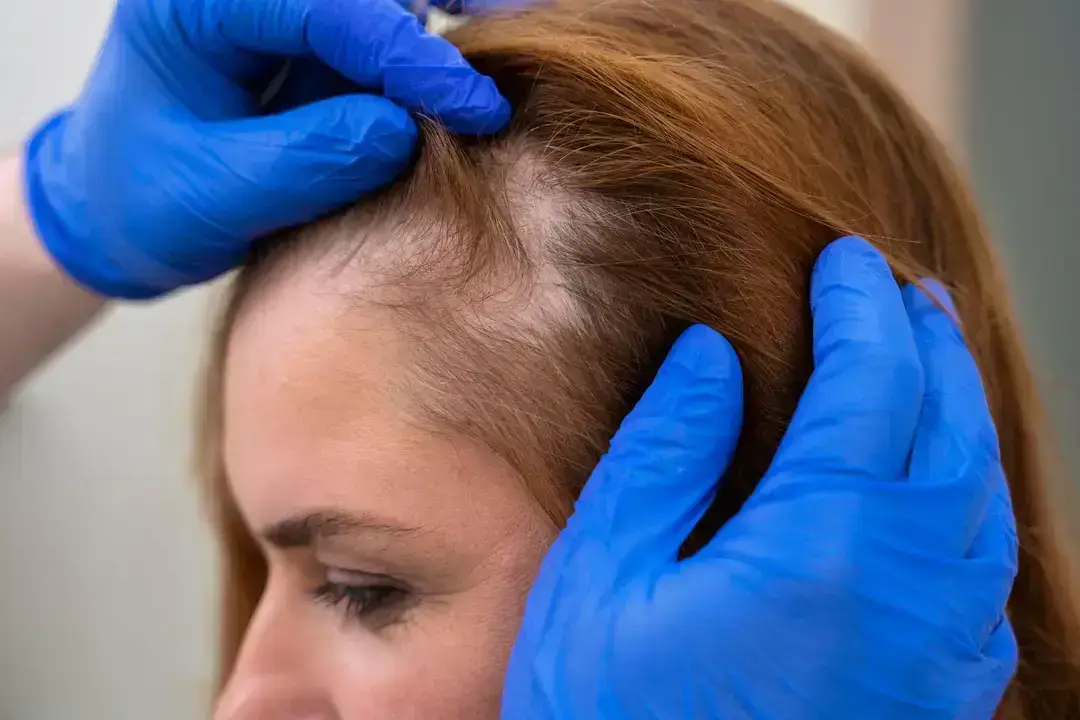
Early Warning Signs of Progressive Hair Thinning in Men
Most men don’t notice their hair thinning until it’s already well underway. That’s not because they’re not paying attention — it’s because the process is slow, quiet, and easy to explain away. A few extra hairs on the pillow, a slightly wider part, a hairline that looks a little different in certain lighting. By the time it’s obvious, months or even years have already passed.
Understanding the early signs of progressive hair thinning isn’t about panicking — it’s about knowing what to look for so you can respond at the right time.
How Hair Thinning Actually Begins
Hair doesn’t fall out all at once. It thins gradually because of changes happening deep in the follicle, long before you see anything on the surface. Each hair grows in cycles — a growth phase, a rest phase, and a shedding phase. When something disrupts this cycle, hairs spend less time growing and more time resting. Over time, the follicles themselves start to shrink, producing thinner, shorter strands.
This is why early thinning looks like fine hair rather than bald patches. The follicles are still alive — they’re just producing less.
The First Signs Most Men Miss
The early warning signs are subtle, but they follow a pattern:
- The hairline at the temples begins to recede slightly, often forming an “M” shape
- Hair at the crown looks thinner when viewed from above, especially under bright light
- The scalp becomes more visible after washing or when the hair is wet
- Hair feels finer in texture, even though the volume hasn’t dramatically changed
- More hair than usual appears on the shower drain, pillow, or comb — consistently, not just occasionally
None of these alone confirm thinning. But when several happen together over a few months, it’s worth paying attention.
The Role of DHT and Hormonal Shifts
One of the most common underlying drivers of male hair thinning is a hormone called DHT (dihydrotestosterone). DHT is a byproduct of testosterone, and in men who are genetically sensitive to it, DHT binds to hair follicles and slowly causes them to shrink. This process, called miniaturization, is what leads to male pattern baldness — the most prevalent form of hair loss in men worldwide.
What makes DHT-related thinning tricky is that it starts silently. The scalp doesn’t itch, the hair doesn’t break — it just gradually becomes less. Men who experience high dht symptoms may also notice oilier scalp, acne flare-ups, or slower beard growth, though these signs are often overlooked or attributed to other causes.
Why Stress and Lifestyle Accelerate the Process
Hormonal sensitivity may set the stage, but lifestyle factors often accelerate the timeline. Chronic stress raises cortisol levels, which disrupts the hair growth cycle and can push more follicles into the shedding phase simultaneously. Poor sleep, nutritional gaps — especially iron, zinc, and protein — and crash dieting can all compound the problem.
This is why two men with similar genetics can have very different hair outcomes. One’s environment and habits can either slow the process down or speed it up considerably.
When to Take It Seriously
Hair naturally sheds around 50 to 100 strands a day. But if you’re noticing consistent, visible changes in density — especially at the crown or temples — and it’s been happening for more than two or three months, that’s the point to stop dismissing it.
Platforms like Traya focus specifically on diagnosing the root cause of hair loss before recommending any treatment, which matters because thinning caused by a nutrient deficiency needs a completely different approach than thinning caused by hormonal imbalance.
Taking progress photos every few weeks can help you actually track what’s happening, since day-to-day changes are hard to perceive.
Final Thoughts
Progressive hair thinning in men rarely announces itself loudly. It edges in slowly, using signs most people chalk up to stress or seasonal shedding. The men who manage it best aren’t necessarily the ones with the best genes — they’re the ones who noticed early and understood what they were seeing.
If something feels off about your hair, trust that instinct. The earlier you look into the cause, the more options you’ll have.
Further Reading