
A Guide to What Every New Vehicle Owner Should Know
Got your first set of keys? That new car smell, the sense of freedom, and maybe even the playlist you made for your first solo drive—it’s all exciting. But once the thrill wears off, reality creeps in. Owning a vehicle isn’t just about driving off into the sunset. It’s about knowing how to manage the responsibilities that come with it.
Especially if you’re in a state like Texas, where roads stretch for miles and weather can change by the hour, owning a vehicle is practically a necessity. Public transportation only gets you so far. And in sprawling cities like Houston or Dallas, your car becomes an extension of your daily life. But convenience also comes with risk. Bad traffic, unpredictable weather, and rising fuel costs make it important to stay informed and prepared.
In this blog, we will share the key things every new vehicle owner should know—before the check engine light or the parking ticket catches you off guard.
Understand What You’re Actually Paying For
Buying a car is often just the start. What many people don’t realize is how quickly costs pile up after the down payment. There’s fuel, maintenance, registration, taxes, and parking fees—not to mention the less visible but legally required protections.
This is where having the right coverage matters. Whether you bought your car new or used, your financial safety depends on more than a seatbelt. For drivers in the Lone Star State, understanding Texas car insurance is especially important. Every state has different laws, and in Texas, you’re required to carry minimum liability coverage to drive legally.
But minimum coverage doesn’t mean full protection. Many drivers start there, only to realize later that it doesn’t cover their own damages or injuries in a serious crash. It also doesn’t help if your car is stolen or vandalized—something that’s become more common in cities recently.
Choosing the right policy means knowing your driving habits, where you park, how much your vehicle is worth, and how much risk you’re willing to carry. Don’t just pick the cheapest option. Review deductibles, coverage types, and what’s excluded. If something sounds too good to be true, it probably is.
Routine Maintenance Isn’t Optional

A car might run fine now, but neglecting small things can turn into big expenses fast. Oil changes, tire rotations, brake checks—they may sound boring, but skipping them can lead to breakdowns that leave you stranded or worse, cost thousands to fix.
Set reminders for these basic tasks. Most vehicles have built-in service tracking systems now, or you can use a free app. Keep an eye on fluid levels and tire pressure. If you live somewhere with seasonal weather swings, make sure your tires and battery can handle the extremes.
And don’t wait for weird noises to go away. A squeaky belt or slow start may be trying to warn you. The earlier you catch problems, the cheaper and safer they are to fix.
Know What to Do in an Emergency
Breakdowns happen. Accidents happen. What matters is how prepared you are when they do.
Keep an emergency kit in your trunk. Include jumper cables, a flashlight, phone charger, water, and a basic first aid kit. A small air compressor or tire patch kit can save you hours on the side of the road.
Also, know who to call. Whether it’s roadside assistance through your insurer or a local towing service, store the number in your phone now—not while you’re panicking in the middle of nowhere. Make sure your phone is charged when you hit the road, especially for longer trips.
If you’re ever in an accident, know how to document it properly. Take pictures, exchange information, and don’t admit fault at the scene. That’s what claims adjusters are for.
Fuel Efficiency Is About More Than Gas Prices
Yes, gas prices are a headache. But improving fuel efficiency is also about taking care of your vehicle and driving smarter. Aggressive acceleration, sudden stops, and speeding all waste gas. So does idling for long periods.
Try to group errands together so you’re not constantly restarting your car. If you commute regularly, map out the least congested route—even if it’s a bit longer. Sitting in traffic burns fuel and tests your patience.
Some newer cars show you how efficient your driving habits are. Use that data. If your car doesn’t offer that, many apps can track fuel usage and costs for you.
The less gas you burn, the less you spend—and the less wear and tear on your engine over time.
Learn How to Read Your Dashboard
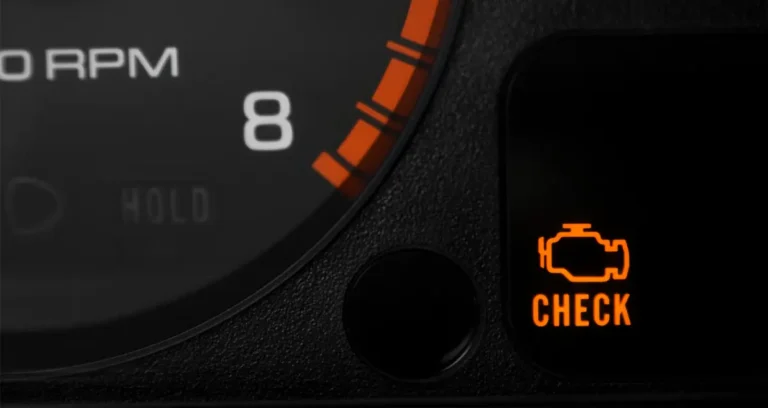
It’s tempting to ignore warning lights, especially when the car still runs fine. But that glowing symbol isn’t a suggestion. It’s telling you something important.
Check engine, tire pressure, oil level, battery—these aren’t just technical terms. They’re the car’s way of communicating. If you’re unsure what a symbol means, look it up in your manual or online. Ignoring it can make things worse, fast.
Most auto parts stores will check basic codes for free if a light comes on. This lets you get ahead of small problems before they grow into something more expensive.
Know the Difference Between a Want and a Need
Custom rims, fancy seat covers, dashboard cameras—they’re fun. But when you’re just starting out, it’s smarter to focus on essentials.
Invest in good floor mats to protect your interior. Buy a windshield sunshade if you live somewhere hot. Get your windows tinted if it helps with heat and glare (and it’s legal in your area). These are practical upgrades that extend the life of your car, not just dress it up.
Set a budget for vehicle extras. Treat them like any other lifestyle choice—something to plan for, not something to do on impulse.
Don’t Let the Dealership Be Your Only Teacher
Dealerships can help you understand features and maintenance basics. But once you drive off the lot, their job is done. Your job is just beginning.
Learn your vehicle’s quirks and limits. Read reviews, join online forums, ask experienced drivers what they’ve learned. You’ll hear about common problems, smart upgrades, and how to handle recalls.
If your car comes with a digital dashboard or app integration, take time to learn how it works. Many drivers ignore these tools when they could be using them to monitor health, navigation, and safety.
You don’t need to be a mechanic. But you do need to be a well-informed owner.
Every Mile Counts Toward Responsibility
Owning a car is a symbol of independence—but it’s also a long-term commitment. Every mile you drive comes with decisions. Some are small, like where to park or when to fuel up. Others, like how you handle a repair or choose your coverage, can have lasting effects.
New drivers make mistakes. That’s normal. What matters is whether you learn from them. Pay attention. Ask questions. And stay engaged with the care, cost, and safety of your vehicle.
Because being a great driver isn’t just about the road—it’s about everything that supports it.
Further Reading