When You’ll Likely Need a Tow Truck (and Why It Happens More Than You Think)
Ever found yourself stuck on the side of the road, hazard lights blinking, wondering how things went from fine to frustrating in a matter of minutes? Needing a tow isn’t something most people plan for, but it happens. A lot. And while it might feel random at the time, there are actually some pretty common reasons people end up needing towing services.
Let’s break down the typical scenarios that lead to calling a tow truck, what causes them, and what to look out for so you’re not caught off guard.
The Most Common Reasons You’ll Need a Tow
Car trouble doesn’t usually happen out of nowhere. In many cases, there are warning signs or preventable issues involved. Here are the top reasons people call for a tow.
Flat Tyres That Can’t Be Fixed on the Spot
Sure, a flat tyre can often be swapped out with a spare, but not always. If the tyre is shredded beyond repair, you don’t have a spare or jack, the wheel itself is damaged, or you’re on a busy or dangerous stretch of road, then towing Newcastle is usually the safest option. It’s especially true if you’re not confident changing the tyre yourself, or if conditions make it risky.
Engine Overheating
An overheating engine is one of those problems you can’t ignore. Once the temperature gauge climbs into the danger zone, continuing to drive could mean serious (and expensive) damage.
Common causes include low coolant level, a broken radiator or fan, or a faulty water pump. If steam is rising from the bonnet, stop the car. Driving just a few more minutes could lead to a total engine failure.
Battery Trouble (and Not Just in Winter)
A dead battery is an obvious issue; your car won’t start. But there are other scenarios, too, like when the battery keeps draining or you’ve left the lights on for hours. Some newer cars also draw more power from the battery, even when parked. If jump-starting doesn’t work, or you’re stranded somewhere with no help around, towing is usually the next step.
Transmission Failure
This one’s big. If your transmission fails, your car might not move at all, or you might only be able to drive a few hundred metres before it gives up.
You might notice:
- Difficulty shifting gears
- Slipping or jerking motions
- Strange noises while driving
Transmission problems can get worse very quickly. If you’re noticing any of these signs, especially if you’re already stuck, it’s time for a tow.
Accident Damage
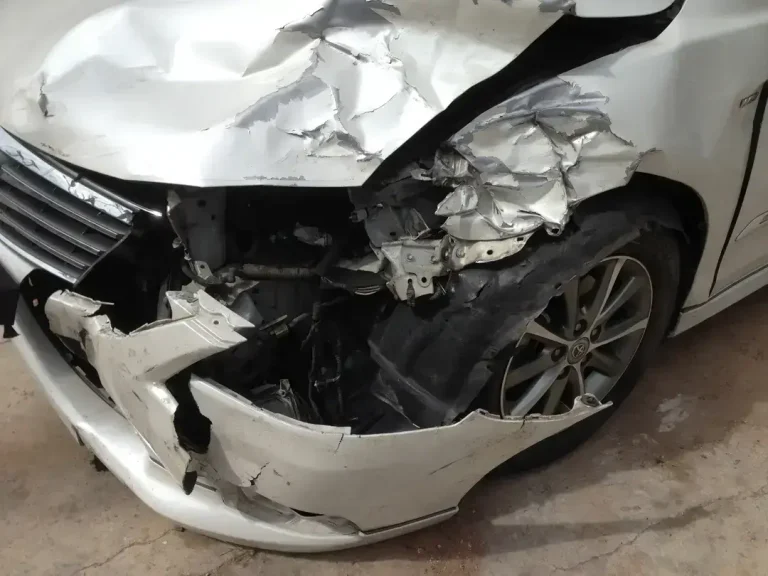
Even minor accidents can mess up your vehicle’s ability to drive. A crumpled bumper or misaligned wheel might not seem major, but if it affects steering, alignment or safety features, it’s not worth the risk to drive.
In more serious crashes, towing is often the only option. And in many cases, it’s required to get the car off the road and into a repair shop or holding yard.
Other Situations Where Towing Might Be Necessary
Not every tow call is the result of something dramatic. Sometimes, everyday issues lead to a towing situation.
Stuck in Mud, Sand or a Ditch
It doesn’t take much to get bogged, especially in rural or off-road areas. Wet weather, loose gravel, or even just bad luck with a parking spot can mean your tyres spin endlessly with no traction. In these cases, towing gets you unstuck without damaging the car further.
Running Out of Fuel
It’s surprisingly easy to push your luck with a nearly empty tank, especially if you’re unfamiliar with the area or assuming there’s a station nearby. While some roadside services might deliver fuel, you might still need a tow if you’ve run completely dry and can’t restart the car.
Lockouts
While not a mechanical fault, locking your keys in the car (or losing them altogether) can leave you stranded. Depending on the model and how secure it is, a towing service might be the quickest way to get help or take the vehicle to a dealership or locksmith.
Mechanical Faults That Catch You Off Guard
Cars are full of parts most of us never think about, until something goes wrong. A few culprits that often lead to sudden towing needs include:
- Broken timing belt – If this snaps while driving, your engine can shut down instantly
- Faulty alternator – Without it, your battery won’t charge, and the car eventually dies
- Brake failure – Rare, but serious. If your brake pedal suddenly feels soft or unresponsive, don’t risk it
- Suspension issues – If something breaks in the suspension system, your car might lean, bounce or be undriveable
These are the kinds of problems where trying to limp to a mechanic can cause even more damage. A tow gets you there safely.
When You Shouldn’t Drive, Even if the Car Starts
Sometimes the car still runs, but it’s not safe to drive. If you notice any of the following, it’s smarter to call a tow than risk a breakdown or an accident on the road.
- Loud knocking or grinding noises
- Check engine light flashing repeatedly
- Leaking fluids under the car (especially if it’s a lot)
- Unusual smoke from the exhaust or bonnet
- Strong smells like burning oil, coolant, or fuel
Your gut often knows. If something feels seriously off, it probably is.
What Usually Happens During a Tow
Just to quickly clear up the process: when you call a towing service, they’ll typically ask for your location, what kind of vehicle you have, and what the issue is. Depending on what’s wrong, they’ll send the appropriate truck, whether it’s a flatbed, wheel-lift, or something else.
The driver will secure the vehicle, transport it to the location you specify (like your home, a mechanic, or a service centre), and give you any notes on the condition of the vehicle. It’s a pretty straightforward process, and a reliable tow service will handle your car carefully.
Breakdowns Happen, But You Don’t Have to Be Caught Off Guard
No one plans to break down. But when it happens, knowing what causes it and what to do next makes a big difference. Whether it’s a sudden engine fault, a slow leak that turns into a flat, or something more serious like an accident, towing isn’t just about moving a car. It’s about getting you safely from problem to solution.