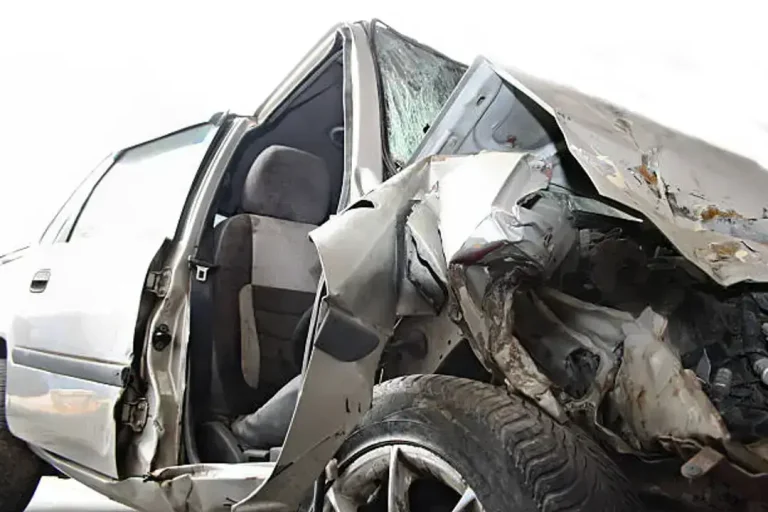

Steps to Take After a Car Accident to Protect Your Rights
In Manhattan Beach, a car accident can leave injured drivers and passengers dealing with medical treatment, insurance claims, and legal questions almost immediately after the collision. The decisions made during those first hours often influence both physical recovery and the strength of any future claim. Understanding how car accident law applies from the outset helps people preserve important evidence, avoid preventable mistakes, and protect their right to seek fair compensation for the losses that follow.
Get Safe and Report It
Safety comes first. Anyone who can move should leave the traffic, check the passengers, and call emergency services. A police report creates an early record of time, location, damage, and witness names. During those first confusing hours, a Manhattan Beach car accident lawyer can explain which records deserve attention, how insurer questions may affect fault claims, and why quick settlement offers often fail to cover treatment, lost income, and later physical setbacks.
Accept Medical Care
Pain does not always appear right away. Adrenaline can mask neck strain, abdominal trauma, or a concussion for several hours. Paramedics and clinic staff can identify warning signs before symptoms deepen. Medical notes also connect the collision to the diagnosis. That timeline matters if an insurer later argues that headaches, numbness, or reduced movement came from a separate cause rather than the wreck itself.
Document the Scene
Photographs often preserve details that memory loses under stress. If conditions are safe, people should capture vehicle positions, skid marks, shattered glass, traffic lights, weather, and visible wounds. Wide images show spacing and lane direction. Close shots reveal impact points, deployed airbags, or broken parts. Witness names and numbers matter too. Neutral observers may confirm speed, signal changes, or unsafe turns after drivers begin offering conflicting versions.
Use Care With Statements
Words spoken in pain can create trouble later. Drivers should exchange required information, answer police questions honestly, and avoid guessing about speed, fault, or injury severity. An apology may be treated as an admission. Insurance adjusters often call before a full diagnosis exists. Recorded comments deserve caution. Brief, accurate responses usually protect a claim better than long explanations shaped by stress, confusion, or incomplete facts.
Keep a Running File
Strong claims depend on orderly proof. Medical invoices, towing charges, repair estimates, prescription costs, rental receipts, and wage records should stay in one folder. A short daily journal can help as well. Notes on pain, poor sleep, missed work, and limits on lifting or driving show how the injury changed ordinary routines. Small details fade quickly. Written entries often provide a clearer account than memory months later.
Guard Digital Evidence
Useful proof now sits on phones, apps, and vehicle systems. People should save text messages, call logs, map history, insurer emails, and dash camera footage. Social media also requires restraint. A smiling picture posted too soon may be used against an injury claim, even if dizziness, stiffness, or nerve pain continues after the image was taken.
Save Vehicle Data
Some newer cars store braking input, speed changes, and impact timing. Repairs or disposal can erase that material. Prompt action may preserve important facts.
Follow the Treatment Plan
Gaps in care can weaken healing and reduce claim value. Missed visits may let an insurer argue that symptoms were minor, temporary, or unrelated to the collision. Patients should attend follow-up appointments, fill prescriptions, and complete scans or therapy when recommended by physicians. If cost, childcare, or travel blocks treatment, that obstacle should be recorded quickly. Consistent care shows that the condition remained active and serious.
Watch the Deadline
Legal rights do not remain open forever. California claims are controlled by filing limits, and a missed cutoff can end a case before the evidence is heard. Time also affects proof quality. Camera footage may be erased, vehicles repaired, and witness recall softened. Early review helps identify all liable parties, available insurance sources, and any road hazards or employer issues that may have contributed to the crash.
Conclusion
Protecting legal rights after a collision usually depends on calm, practical steps taken in order. Immediate safety, prompt medical evaluation, careful statements, and organized records create a reliable foundation for any insurance claim or lawsuit. Injured people do not need every answer on the first day. They do need accurate documentation, steady follow-up care, and quick attention to deadlines. A disciplined response supports both physical recovery and fair financial compensation.
Further Reading