Eden Prairie Drivers: Here’s How To Extend the Life of Your Car with Simple Checks
We all know how important it is to keep our cars running smoothly, but let’s be honest—sometimes, life gets in the way, and car maintenance slips our minds. Whether you’re juggling work, school runs, or life in general, it can feel like a hassle to deal with your vehicle’s upkeep. But here’s the truth: keeping your car well-maintained doesn’t have to be a time-consuming or costly task. In fact, regular checks can actually save you money, extend the life of your car, and keep you safer on the road. Let’s dive into some simple, easy car maintenance tips that can help you stay ahead of potential problems—and give you peace of mind!
1. Check Your Tires Regularly
Let’s start with something you probably already know: your tires are a big deal. Without them, your car wouldn’t even move! But seriously, tires are crucial for safety, fuel efficiency, and overall vehicle performance. If your tires are underinflated, worn down, or misaligned, you’re risking a blowout or an accident, and you’re probably wasting gas too.
How to Check Your Tires:
- Tire Pressure: You can check tire pressure easily using a tire pressure gauge (you can find them at most auto parts stores or even in your car’s glove compartment). Most cars have a recommended tire pressure listed in the owner’s manual or on a sticker inside the driver’s side door. Keeping them inflated correctly helps improve gas mileage and prevents uneven wear.
- Tread Depth: You don’t need fancy tools to check your tread depth—just grab a penny. Stick the penny headfirst into the grooves of your tire. If you can see the top of Lincoln’s head, it’s time for new tires. Worn-out tires are more likely to hydroplane on wet roads, so this simple check could save you from a dangerous situation.
Tip: Don’t forget to rotate your tires every 6,000 to 8,000 miles to ensure even wear. Many auto shops offer this service, and it’s often free when you get an oil change!
2. Keep an Eye on Fluid Levels
Your car runs on more than just gas—it needs fluids to keep everything moving smoothly. And no, we’re not just talking about engine oil! Your car has several essential fluids that need regular checks.
Key Fluids to Check:
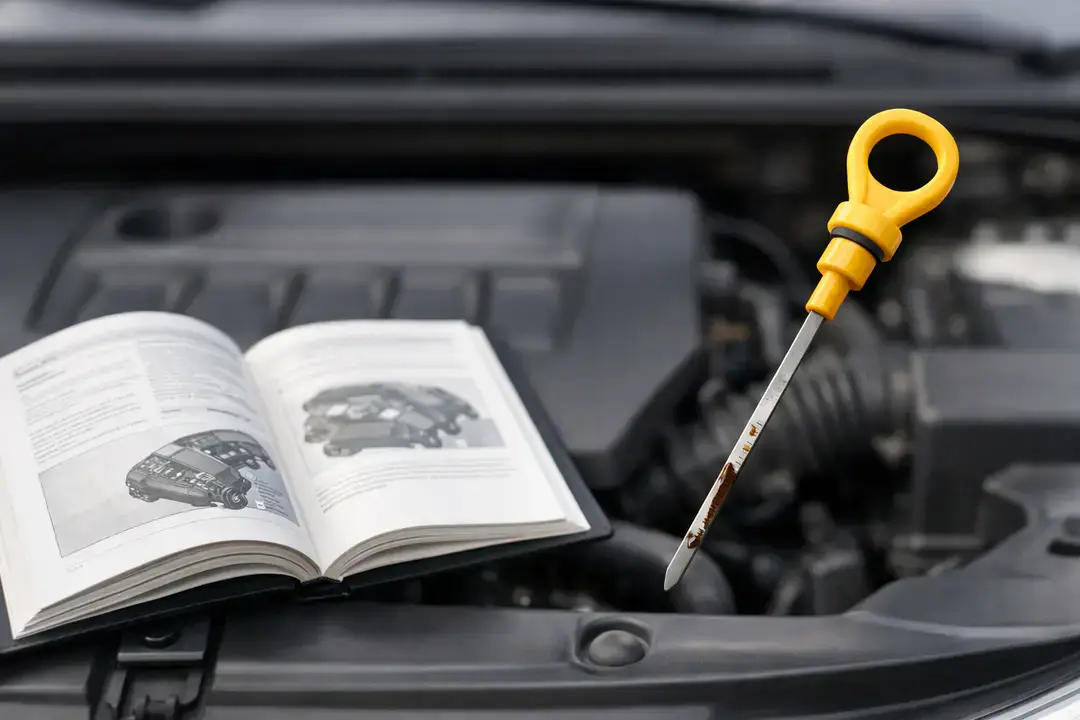
- Engine Oil: This is the big one. Without enough oil, your engine will overheat and eventually seize up, which is a nightmare for your wallet. Check your oil level regularly (at least once a month). If it’s low, top it off—your car will thank you for it.
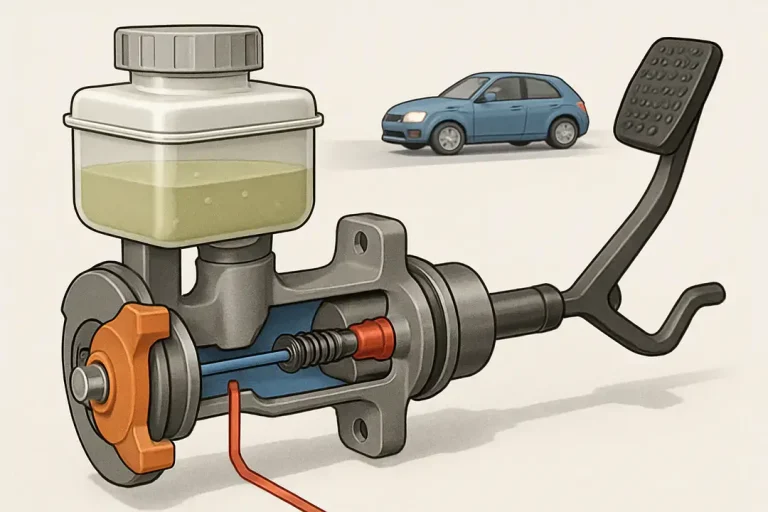
- Brake Fluid: Low brake fluid is a serious issue that can affect your ability to stop safely. If your brake pedal feels soft or spongy, it could be a sign that you’re low on fluid. Plus, keeping your brake system in top shape is essential for safety. If you need a hand with brake service, make sure to find someone who knows their stuff—like those who specialize in brakes in Eden Prairie.
- Coolant/Antifreeze: This is the liquid that keeps your engine from overheating, so if it’s running low, it could spell trouble. Keep an eye on your coolant reservoir to ensure it’s at the proper level.
Tip: Always top off fluids when you notice they’re low. It’s a small task that can save you from bigger, more expensive problems down the road.
3. Monitor Your Battery Health
If you’ve ever been stuck with a dead battery, you know how frustrating it can be. A dead battery can leave you stranded, and nobody has time for that! Fortunately, there are some easy ways to check your battery’s health before it leaves you in a bind.
How to Care for Your Battery:
- Clean it up: Over time, battery terminals can corrode, which leads to poor performance. If you notice any corrosion, clean it off with a mixture of baking soda and water. A clean battery is a happy battery!
- Check the charge: If your battery’s been in your car for more than a couple of years, it’s a good idea to get it tested. Many auto parts stores will test it for free, and it’s worth the small effort to avoid being left with a dead battery when you least expect it.
4. Inspect Belts and Hoses
Belts and hoses are the unsung heroes of your car’s engine. They may not get a lot of attention, but they play a crucial role in keeping everything running smoothly. Worn-out or cracked belts can lead to engine failure, while leaking hoses can cause major issues down the line.
How to Spot Issues:
- Belts: Check for any visible cracks, fraying, or signs of wear on the belts. A worn-out belt can snap and leave you with a broken-down car. If the belt’s looking rough, it’s time to replace it.
- Hoses: Inspect hoses for cracks, leaks, or bulging. If any hoses are leaking coolant or other fluids, they need to be replaced ASAP to avoid overheating or damage to your engine.
Tip: If you notice any issues with belts or hoses, don’t wait to get them fixed. The cost of replacing them is much less than dealing with the engine damage that could result from neglect.
5. Pay Attention to Your Brakes
You probably don’t give your brakes much thought until something goes wrong—until you notice that your car’s stopping power isn’t quite what it used to be. But here’s the thing: your brakes are one of the most important safety features in your car, so it’s crucial to stay on top of them.
How to Know When to Check Your Brakes:
- Squeaking or Grinding Sounds: If you hear a high-pitched squeak or grinding noise when you press the brake pedal, it’s time to get your brakes checked. This could be a sign that the brake pads are worn out and need replacing.
- Soft or Spongy Pedal: If your brake pedal feels soft or squishy when you press it, it might indicate a problem with the brake fluid or the brake system itself. Don’t ignore this—brakes are your safety net, and you need them to work properly.
- Pulling to One Side: If your car pulls to one side when you brake, it could be a sign of uneven brake pad wear or a problem with the brake system.
If you notice any of these issues, it’s essential to get your brakes inspected by a professional. Regular brake maintenance ensures you can stop safely, giving you peace of mind when you’re on the road. If you need help with brake service, there are trusted experts in Eden Prairie who can take care of your brake needs.
6. Change Your Air Filter
The air filter in your car keeps dirt and debris out of the engine, ensuring that it can breathe clean air. Over time, the filter can get clogged, which leads to reduced engine performance and efficiency. A clogged air filter can even lower your gas mileage!
How to Replace Your Air Filter:
- Check your owner’s manual to find out where your air filter is located (it’s usually near the engine).
- If it looks dirty or clogged, it’s time to replace it. Fortunately, air filters are inexpensive and easy to replace, and you can do it yourself or ask your mechanic to do it during a routine service.
7. Look After Your Wipers and Lights
This one’s easy to overlook, but it’s super important—especially in bad weather. Properly functioning wipers and lights are critical for your safety and the safety of others on the road.
How to Maintain Them:
- Wiper Blades: If your wipers are leaving streaks or skipping across the windshield, it’s time to replace them. Bad wipers reduce visibility, making it harder to see in rainy or snowy conditions.
- Lights: Check that all your headlights, brake lights, and turn signals are working properly. If a light goes out, replace it immediately to avoid driving illegally or putting yourself in a dangerous situation.
8. Keep the Exterior Clean and Protected
Lastly, don’t forget about the outside of your car! Keeping your car clean and protected from the elements helps prevent rust and maintains its value.
How to Keep Your Car Looking Good:
- Wash your car regularly to remove dirt, salt, and grime that can cause rust.
- Apply a coat of wax to protect the paint and keep your car looking shiny.
Conclusion: Proactive Car Care Saves Money and Stress
It’s easy to put off car maintenance, but staying on top of simple checks can save you big in the long run. Regular maintenance isn’t just about avoiding expensive repairs—it’s about keeping your car safe, running efficiently, and lasting longer. So, take the time to check your tires, fluids, battery, brakes, and more. Your car will thank you for it, and you’ll feel much better driving knowing you’ve got everything in top shape. Ready to keep your ride in tip-top condition? Let’s get started today!
Further Reading