Why High-Performance BLS Training is Crucial for Healthcare Professionals
Basic Life Support (BLS) training provides healthcare workers and first responders with high-performance resuscitation skills, team dynamics, and advanced airway management. This guide covers the differences between standard CPR and professional BLS, the benefits of flexible blended learning, and why annual recertification is crucial for medical compliance.
When a patient goes into cardiac arrest inside a clinic or care facility, every single second determines their future. Medical professionals and high-risk responders cannot afford to second-guess their training. Enrolling in a certified Basic Life Support course provides healthcare workers with the advanced, high-performance skills required to keep patients stable. It moves past simple bystander chest compressions to focus heavily on professional team dynamics.
Why Is Professional BLS Training Different From Standard CPR?
Standard CPR courses are usually designed for everyday bystanders. They teach you how to call 911, push on the chest, and wait for professional paramedics to arrive. BLS training is a completely different ballgame.
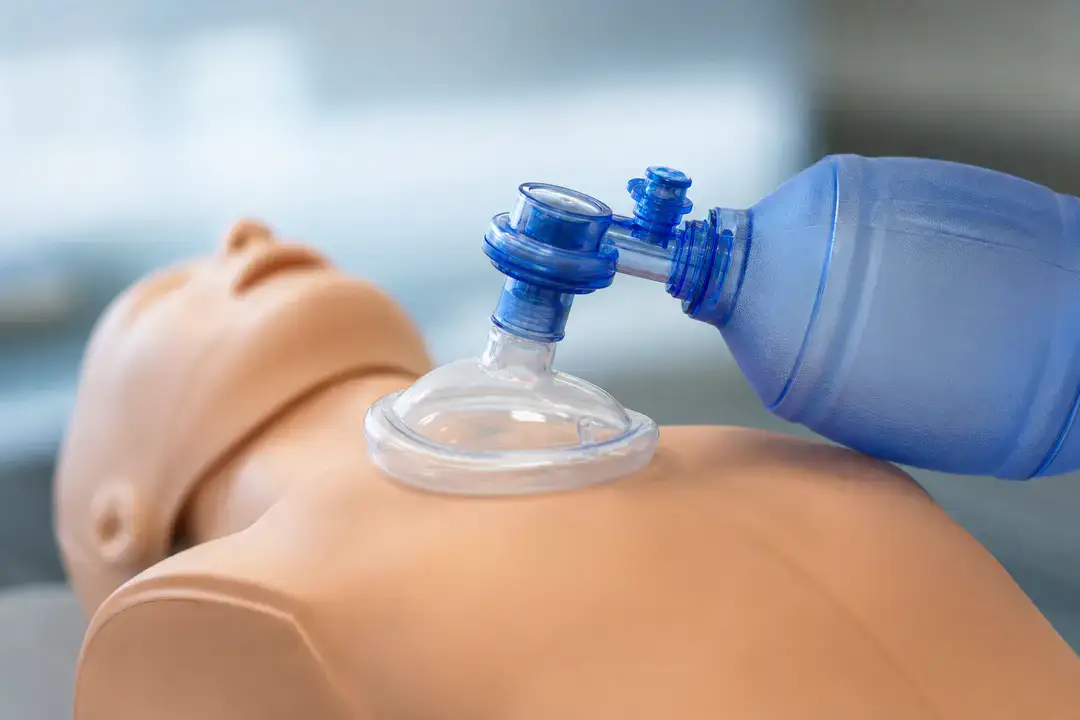
It is tailored specifically for healthcare workers, dental teams, and first responders who operate in high-stress clinical environments. You learn how to work as a cohesive unit during a medical code. It covers rapid assessments, advanced airway management, and using specialized ventilation equipment like bag-valve masks.
What Core Skills Do You Learn in a High-Performance Team?
In a clinical setting, resuscitation is rarely a solo job. You need to know exactly how to switch roles seamlessly without interrupting chest compressions. Even a tiny five-second delay in compressions drops blood pressure significantly.
A solid class forces you to practice these rapid transitions over and over. You practice managing a team, handling advanced choking scenarios, and treating opioid overdoses. The physical repetition builds the automatic muscle memory you need when a real emergency strikes.
Why is Pulse Checking and Ventilation So Critical?
Bystander CPR completely skips checking for a pulse to save time. But as a professional, you must be able to quickly locate a pulse and identify different types of irregular breathing patterns.
You also practice delivering precisely timed rescue breaths using advanced barrier devices. Pushing too much air into a patient’s lungs can cause severe medical complications. That is why getting hands-on practice with a certified instructor is so vital to master the proper technique.
How Can Blended Learning Fit Your Long Shifts?
Working long hospital or clinic shifts makes finding free time incredibly tough. Spending a whole weekend stuck in a training room isn’t realistic for most busy professionals.
Blended learning offers a much more flexible path to certification. You complete all the intensive theory modules online from your own computer whenever you have a break. After finishing the digital work, you just show up for a quick in-person skills session to practice on the mannequins. It saves you hours of time while still meeting all official healthcare compliance standards.
If you are looking for first aid training near Northwest Business Park, Highway 403 and Oak Park Road, or other areas close to our facility, then you may reach out to Coast2Coast First Aid/CPR – Brantford in that area. For more info and articles like this visit: c2cfirstaidaquatics.com
What Are the Most Frequently Asked Questions About BLS?
1. Who is required to take a BLS course instead of standard CPR? BLS is specifically designed for healthcare professionals, including nurses, doctors, paramedics, dental staff, and nursing students. Most hospitals and clinics require this specific level of certification.
2. How long does a BLS certification remain valid? A standard BLS certificate is valid for one year. Because healthcare workers handle high-risk situations, annual recertification is required to ensure skills remain perfectly sharp.
3. What is the difference between CPR Level C and BLS? CPR Level C covers basic rescue skills for bystanders assisting adults, children, and infants. BLS includes advanced techniques like multi-rescuer team dynamics, pulse checks, and bag-valve mask ventilation.
4. Can I complete my entire BLS certification online? No. Healthcare compliance boards do not recognize online-only certificates. You must complete an in-person skills assessment to demonstrate you can perform high-performance CPR and use ventilation equipment correctly.
5. Does a BLS course cover Automated External Defibrillators (AEDs)? Yes, advanced AED training is a major component of the course. You will practice incorporating the AED smoothly into multi-person rescue teams to minimize interruptions during compressions.
Further Reading
- Balancing Connectivity and Compliance in the Next Generation of Healthcare Devices
- Mitral Valve Repair, Not Replacement: Dr. Barbara Robinson on the 5 Questions Patients Should Ask Before Surgery
- Can We Trust AI With Our Health? Dr Andrew Ting Discusses Why Discretion, Ethics, and Human Care Still Matter Most