
How Modern Fabricators Can Help Reduce Manufacturing Waste
The global manufacturing sector is currently facing a reckoning. For decades, the industry operated on a “take-make-waste” model: raw materials were extracted, processed in massive overseas factories, shipped across oceans, and often ended up in landfills just a few years later. Between the carbon footprint of international logistics and the literal tons of scrap material generated during traditional production, the environmental cost of “stuff” has become impossible to ignore.
However, a shift is occurring on desktops and in small workshops around the world. Fused Deposition Modeling (FDM) technology—the most common form of 3D printing—is often criticized simply because it uses plastic. But a closer look at the data reveals a different story. When utilized correctly, desktop fabrication is emerging as one of the most powerful tools we have for building a more sustainable, circular economy.
By moving production from centralized factories to localized hubs, reducing raw material waste, and reviving the “right to repair,” modern fabricators are proving that plastic manufacturing doesn’t have to be a dirty business.
Additive vs. Subtractive: The Math of Waste
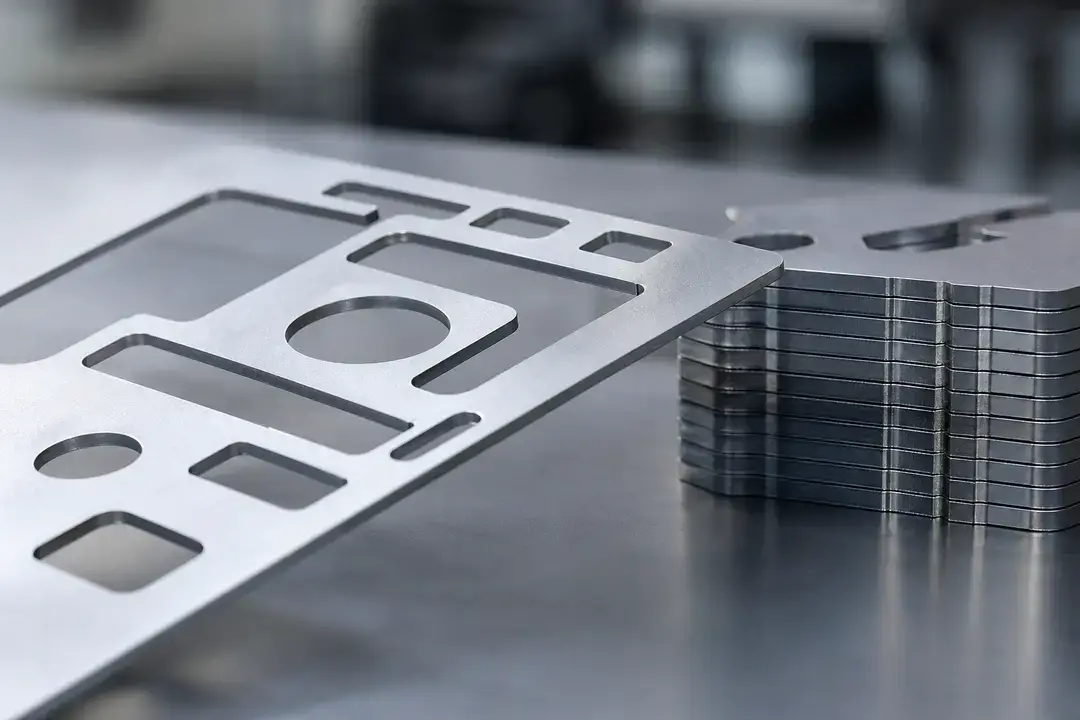
To understand why 3D printing is more sustainable, you have to look at how things are traditionally made. Most metal and plastic parts are created through subtractive manufacturing—essentially taking a large block of material and carving away everything that isn’t the finished part. In some aerospace and automotive applications, the “buy-to-fly” ratio can be as high as 10:1, meaning 90% of the raw material is ground into chips and discarded before the part even leaves the factory.
FDM is fundamentally different because it is an “additive” process. It only places material exactly where it is needed, building the object layer by layer. There are no shavings, no liquid runoff, and very little scrap. While some prints require “supports” (temporary structures to hold up overhanging parts), modern software has become incredibly efficient at minimizing this.
Even the aesthetic finish of a product has environmental implications. Traditionally, creating a multi-toned consumer product meant separate molding runs followed by industrial painting or chemical bonding. Using a modern multi color 3d printer allows for the integration of different colors and textures directly into the structure of the part. This eliminates the need for volatile organic compound (VOC)-heavy paints and toxic solvents, resulting in a finished product that is safer for both the user and the planet.
The Rise of Bio-Based Materials
The conversation around sustainability inevitably leads to the materials themselves. While the industry started with petroleum-based plastics like ABS, the standard for desktop printing has shifted toward PLA (Polylactic Acid).
PLA is a bioplastic derived from renewable resources like corn starch or sugarcane. Unlike traditional plastics that can take centuries to break down, PLA is industrially compostable. This shift has sparked a massive wave of innovation in material science. Today’s makers can choose from a wide variety of specialized filament options, including those made from recycled wood fibers, recycled fishing nets, and even repurposed coffee grounds or hemp.
By choosing high-quality, sustainably sourced materials, users can ensure their creations have a significantly lower carbon footprint than mass-produced alternatives. Furthermore, because the industry is decentralized, we are seeing the rise of “closed-loop” systems where hobbyists use small-scale grinders and extruders to turn their failed prints back into fresh material, virtually eliminating waste at the source.
Eradicating the “Logistics Tax”
One of the most overlooked environmental benefits of desktop fabrication is the elimination of the “logistics tax.” In the traditional model, a small plastic component might be designed in California, manufactured in Shenzhen, and sold in London. That component spends weeks on a container ship and days on a delivery truck, burning fossil fuels every mile of the way.
Desktop fabrication enables “distributed manufacturing.” Instead of shipping the physical object, you ship the digital file. A company can send a design to a printer located in the same city—or even the same building—where the part is needed. This “on-demand” model also solves the problem of overproduction. Traditional factories require massive “Minimum Order Quantities” to be profitable, leading to warehouses full of unsold products that eventually get liquidated or trashed. With a 3D printer, you make exactly one of what you need, exactly when you need it.
Reviving the “Right to Repair”
Perhaps the greatest contribution of 3D printing to sustainability is its role in the global “Right to Repair” movement. We live in a throwaway culture where a broken $2 plastic handle can render a $500 kitchen appliance useless. Manufacturers often stop stocking spare parts after a few years, forcing consumers to replace entire machines for the sake of a single failed component.
Desktop fabrication breaks this cycle. If a gear shears off in your blender or a clip snaps on your vacuum cleaner, you can often find or design a replacement part in a matter of hours. By extending the life of household appliances by five or ten years, 3D printing keeps massive amounts of “e-waste” out of landfills. It shifts the consumer mindset from “replace” to “restore,” which is the cornerstone of a sustainable future.
The Future: Local, Clean, and Lean
As we look toward the future of manufacturing, it’s clear that the old model of mass-producing identical items in distant factories is no longer viable. The environmental costs are simply too high.
The future belongs to the “micro-factory”—clean, quiet, and localized hubs that use additive technology to create custom, bio-based products on demand. By minimizing raw material waste, utilizing renewable filaments, and eliminating the need for global shipping, desktop fabrication is proving that we can still be a society of makers without being a society of polluters. The most sustainable product isn’t the one that was shipped halfway around the world; it’s the one you made yourself, right where you stand.
Further Reading