3 Distracted Driving Types Every Driver Should Know About
The three main types of distracted driving every driver should know are visual distractions, manual distractions, and cognitive distractions. These categories explain how drivers lose focus—by taking their eyes off the road, their hands off the wheel, or their mind off driving. Understanding these types is important because any one of them can lead to serious accidents.
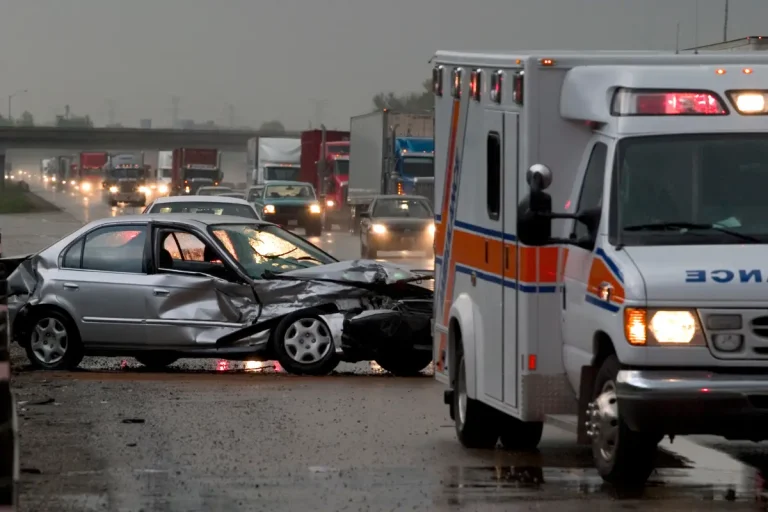
Distracted driving is one of the leading causes of road accidents in the United States. Many drivers believe they can multitask safely, but even a few seconds of distraction can be dangerous. In fact, after distracted driving crashes, many drivers realize too late that the risk was higher than expected.
Laws across the country aim to reduce these risks. These laws are designed to limit distractions, but drivers still need to understand the different types to stay safe.
1. Visual Distractions
Visual distractions happen when a driver takes their eyes off the road. Even a brief glance away can increase the chance of an accident.
Common examples include:
- Looking at a phone or GPS
- Turning to talk to passengers
- Watching something outside the vehicle
- Reading messages or notifications
When a driver looks away for just five seconds at highway speed, they can travel the length of a football field without seeing the road. This makes visual distractions one of the most dangerous types.
To reduce visual distractions:
- Keep your eyes on the road at all times.
- Set GPS directions before driving
- Avoid checking your phone while moving.
2. Manual Distractions
Manual distractions occur when a driver removes one or both hands from the steering wheel. This reduces control over the vehicle.
Examples include:
- Texting or typing on a phone
- Eating or drinking
- Adjusting the radio or controls
- Reaching for objects inside the car
Even simple actions like grabbing a drink can delay reaction time. If something unexpected happens, the driver may not be able to respond quickly.
Many states have laws targeting manual distractions. For example:
- Texas Transportation Code §545.4251 prohibits texting while driving.
- Several states ban handheld device use entirely.
To avoid manual distractions:
- Keep both hands on the wheel.
- Handle tasks like eating or adjusting controls before driving
- Pull over safely if something needs attention
3. Cognitive Distractions
Cognitive distractions happen when a driver’s mind is not focused on driving. Even if their eyes are on the road and hands are on the wheel, their attention is elsewhere.
Examples include:
- Daydreaming
- Talking on the phone (even hands-free)
- Stress or emotional thoughts
- Being overly tired
This type of distraction is often overlooked because it is not visible. However, it can be just as dangerous as the other types.
Drivers who are mentally distracted may:
- Miss traffic signals
- Fail to notice hazards
- React slowly to sudden changes
To reduce cognitive distractions:
- Stay mentally focused on driving
- Avoid stressful conversations while driving
- Take breaks if feeling tired or overwhelmed
Why These Types Matter
Understanding these three types helps drivers recognize risky behavior. Many distractions involve more than one type at the same time.
For example:
- Texting involves visual, manual, and cognitive distraction.
- Talking to passengers may involve visual and cognitive distraction.
This combination increases the risk of accidents even more.
Legal and Safety Impact
Distracted driving is not just unsafe—it can also lead to legal consequences.
Drivers may face:
- Traffic fines
- Points on their driving record
- Increased insurance costs
- Liability for damages in accidents
In serious cases, distracted driving can lead to criminal charges, especially if it causes injury or death.
Key Takeaways
- There are three main types of distracted driving: visual, manual, and cognitive.
- Visual distractions involve taking eyes off the road.
- Manual distractions involve taking hands off the wheel.
- Cognitive distractions involve losing mental focus.
- Many distractions involve more than one type at the same time.
- Laws across the U.S. aim to reduce distracted driving risks.
- Staying focused while driving helps prevent accidents and legal consequences.
Further Reading