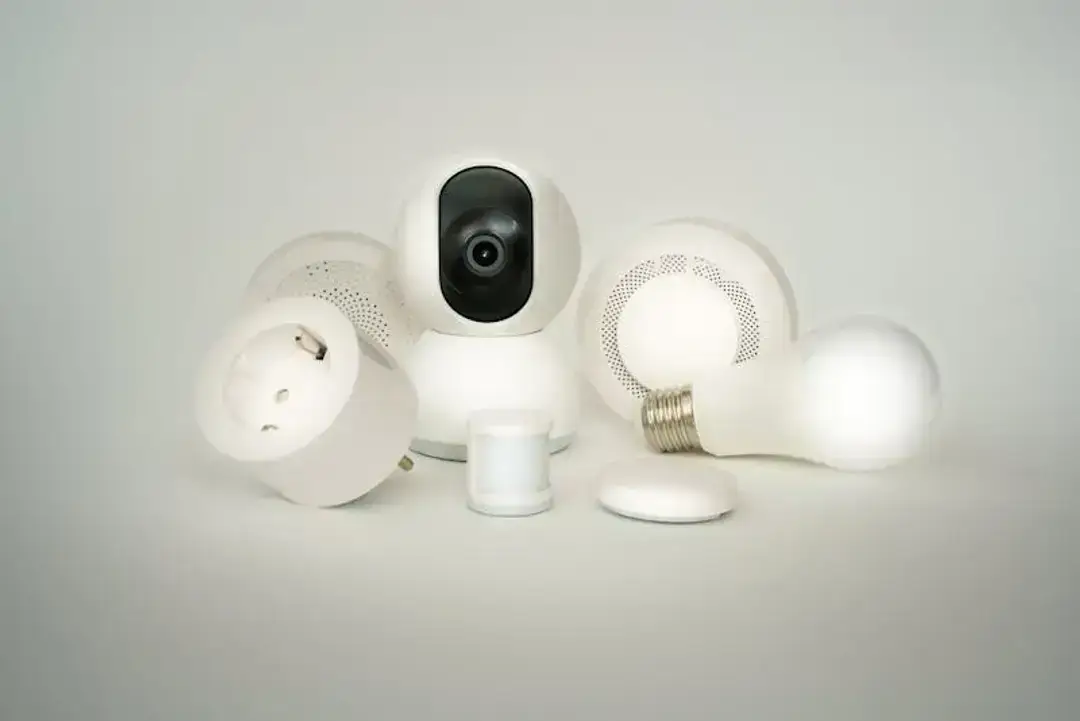
What Is Matter and Why Your Smart Home Needs It in 2026
If you have shopped for smart home devices recently, you have seen the Matter logo on packaging. But most homeowners still do not understand what Matter actually does or why it matters more than any smart home development in the past decade. The confusion is understandable because the smart home industry has promised interoperability before and failed to deliver. Zigbee was supposed to unify everything. Z-Wave was supposed to be the answer. WiFi-connected devices were supposed to just work together. None of them delivered on the promise of true cross-platform compatibility.
Matter is different, and the reason is simple: for the first time, Apple, Amazon, Google, and Samsung all agreed on the same standard and committed to supporting it in their platforms. That has never happened before, and it changes the fundamental economics and usability of smart home technology.
The Problem Matter Solves
Before Matter, every smart home platform spoke its own language, and choosing a device meant choosing a side:
- Apple HomeKit devices only worked with Apple Home. Great ecosystem, limited device selection, premium prices.
- Zigbee devices needed a Zigbee hub, and not just any hub. A Samsung SmartThings hub running Zigbee would not necessarily pair with a Zigbee device designed for a Philips Hue hub. Same protocol, different implementations, incompatible devices.
- Z-Wave devices needed a Z-Wave controller. Better interoperability than Zigbee within the Z-Wave ecosystem, but limited manufacturer adoption and higher per-device costs.
- WiFi devices worked with Alexa or Google but not always both. And each manufacturer required its own app, its own account, and its own cloud connection. A home with ten WiFi smart devices might need ten separate apps, ten separate accounts, and ten separate cloud services just to turn lights on and off.
- Thread devices needed a Thread border router, and Thread adoption was so limited in its early years that most consumers had never heard of it.
The practical result of this fragmentation was decision paralysis. Buying a smart light meant choosing a platform first. Switch from Alexa to Apple Home? Replace everything, or accept that half your devices will not work with the new platform. Want to use one app for your Philips Hue lights and your Yale lock? Possible, but only through specific bridge configurations that break when firmware updates change the integration path.
Matter eliminates this entire problem. A Matter-certified device works with Apple Home, Google Home, Amazon Alexa, and Samsung SmartThings simultaneously. Not through workarounds or bridges. Natively. The device speaks a common language that every platform understands.
How Matter Actually Works: The Technical Foundation
Matter is an application-layer protocol, meaning it defines how devices communicate their capabilities and state to controllers and other devices. It runs on two transport layers that handle the actual wireless communication:
- WiFi: For high-bandwidth devices like cameras and displays, connecting to the home router and communicating over the local network.
- Thread: A low-power mesh network designed for smart home devices. Thread is the real breakthrough in Matter’s architecture.
Thread devices form a self-healing mesh network where each device acts as a router for other devices. If one device loses power, the mesh automatically reroutes traffic through remaining devices. There is no single point of failure and no hub bottleneck. Response times are measured in milliseconds, and the power consumption is low enough for battery-operated sensors and locks to last months on a single charge.
Unlike WiFi, Thread does not require routing through the internet. Devices communicate directly over a local mesh. Your light switch talks to your light bulb without a cloud server or hub. Lights respond instantly regardless of internet connectivity.
Unlike Bluetooth, Thread scales gracefully. Each device extends mesh coverage, so a home with 30 Thread devices has a stronger network than one with 5.
To connect Thread devices to the internet for remote access and cloud integrations, Matter uses Thread border routers. These are devices that bridge between the Thread mesh and the home WiFi or Ethernet network. Apple TV, HomePod Mini, several Google Nest products, and dedicated devices like the Aqara M3 hub all function as Thread border routers. Most homes adopting Matter already have at least one compatible device.
Matter Version History and Current State
Matter 1.0 launched in late 2022 with support for a limited set of device types: lights, switches, plugs, thermostats, door locks, window coverings, and sensors. The initial release was deliberately conservative, focusing on getting the foundational protocol right before expanding device coverage.
Matter 1.1 (mid 2023) added appliances and improved commissioning.
Matter 1.2 (late 2023) brought robot vacuums, smoke detectors, and air quality sensors.
Matter 1.3 (mid 2024) added EV chargers, solar inverters, and battery storage.
Matter 1.4 (late 2025) added cameras and video doorbells, the most requested feature, along with enhanced security and improved Thread performance.
In 2026, Matter covers most device categories homeowners care about. Gaps include whole-home audio and advanced security monitoring, expected in future releases.
What This Means for Your Home in 2026
No More Platform Lock-In
 Buy any Matter device, and it works with your existing setup regardless of platform. Switching from Google to Apple? Your devices come with you. All platforms backed Matter because fragmentation was suppressing the entire market.
The practical impact is freedom. If a device has the Matter logo, it works with everything. This eliminates the biggest source of friction in smart home purchasing.
Local Control, Not Cloud Dependent
Matter devices communicate locally. Your lights turn on even when the internet is down. Your lock responds in milliseconds, not the 1 to 3 seconds of cloud-dependent devices. This is not just convenience, it is reliability and privacy.
Cloud-dependent devices fail when the internet or the manufacturer goes down. Revolv, Wink, Insteon: all left customers with bricked hardware when cloud services disappeared.
Matter devices continue operating locally regardless of what happens to the manufacturer or internet. Core functionality lives in the device itself, making Matter devices fundamentally more durable than cloud-dependent predecessors.
Multi-Admin: One Device, Multiple Platforms
One Matter device can be controlled by multiple platforms simultaneously. Your partner uses Google Home, you use Apple Home, and the babysitter uses Alexa, all controlling the same devices. Each platform sees the device as its own and can issue commands independently.
Before Matter, households had to standardize on one platform. Multi-admin eliminates this compromise entirely.
The Current Limitations: An Honest Assessment
Matter is not perfect, and understanding its limitations prevents frustration:
- Device categories are still expanding. While Matter 1.4 covers most common device types, some categories like whole-home audio, irrigation controllers, and pool equipment are not yet supported. Devices in unsupported categories continue using their existing protocols.
- Advanced automations still need a platform. Matter handles basic control beautifully: on, off, dim, lock, unlock, set temperature. But complex conditional logic, like “if the front door unlocks after sunset and the alarm was armed, then turn on the hallway lights to 40 percent, disarm the alarm, and set the thermostat to home mode,” requires platform-specific automation engines. Apple Home, Google Home, and SmartThings each offer automation builders, but the automations are platform-specific, not part of Matter itself.
- Thread border routers are required. Thread devices need at least one border router to function. If your home does not have an Apple TV, HomePod Mini, Nest Hub, or another border router, you need to add one. This is typically a $50 to $100 investment, and most homes already have a compatible device.
- Commissioning can be finicky. Adding a new Matter device to a network, called commissioning, has improved significantly since Matter 1.0 but still occasionally fails on the first attempt, requiring a reset and retry. The process involves scanning a QR code or entering a setup code, which triggers a secure pairing sequence. When it works, it takes 15 to 30 seconds. When it does not, troubleshooting can be frustrating.
- Firmware updates vary. Some manufacturers push Matter firmware updates quickly and automatically. Others lag by months or require manual updates. Before buying a device, check the manufacturer’s track record of firmware support for their existing products.
Choosing Matter-Ready Devices: Category Recommendations
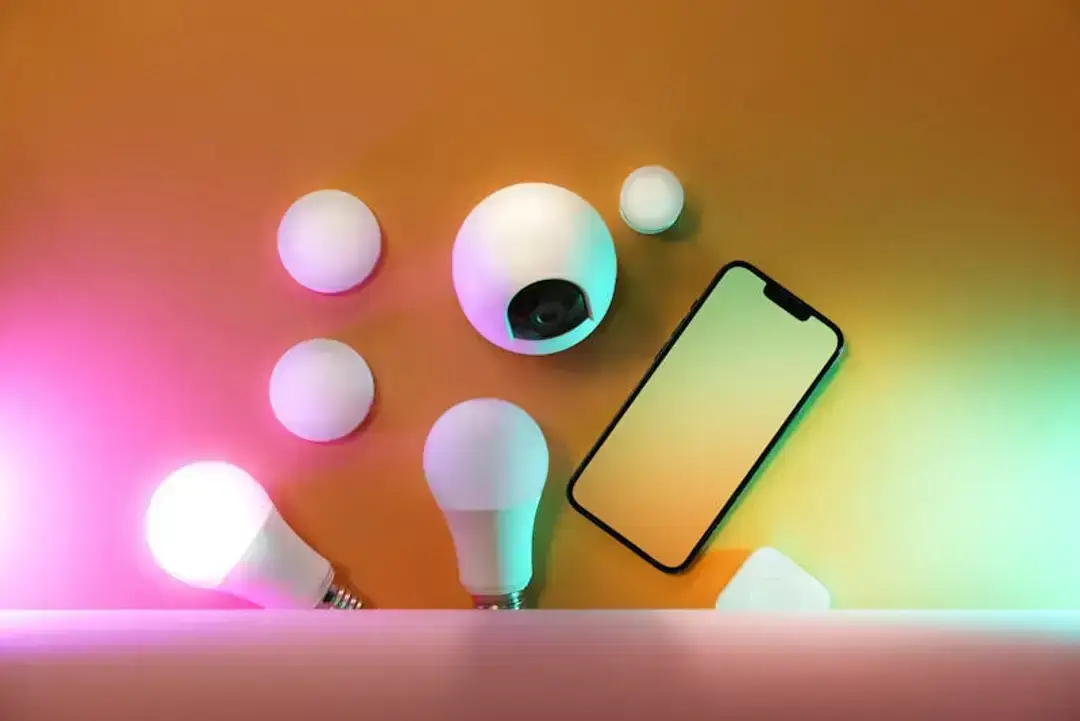 In 2026, prioritize Matter for these categories where the protocol is mature and well-supported:
- Lighting: Philips Hue, Nanoleaf, and Eve all have excellent Matter support. Philips Hue Bridge acts as a Matter bridge for all existing Hue devices, meaning your existing Hue lights become Matter-compatible without replacing them. Nanoleaf Essentials lights support Thread natively, providing the fastest response times of any smart lighting.
- Locks: Yale Assure Lock 2 and Schlage Encode Plus both support Matter. These locks integrate with any platform through Matter while maintaining their proprietary apps for advanced configuration. The Matter integration handles lock, unlock, and status, while the manufacturer’s app handles user codes, schedules, and firmware updates.
- Thermostats: Ecobee Premium and Google Nest Learning Thermostat 4th generation both support Matter. Matter compatibility ensures the thermostat works with any platform and can be included in cross-platform automations.
- Sensors: Eve and Aqara make Thread and Matter sensors that are fast, reliable, and battery-efficient. Eve Motion, Eve Door and Window, and Aqara’s P2 presence sensor all work natively over Thread with sub-second response times.
- Plugs and switches: TP-Link Kasa, Leviton, and Eve offer affordable Matter plugs and switches. These are the simplest entry point into Matter: plug in, scan the code, and the device works with every platform in the home.
For whole-home smart home integration, Matter is the foundation, but it is not the entire solution. Complex systems with lighting scenes, climate zones, security, and audio-video distribution still benefit from professional design that layers Matter devices with the right controllers and automation platforms. Matter provides the device communication layer. The automation logic, user interface design, and system architecture require expertise beyond what any protocol can provide automatically.
Should You Upgrade Existing Devices?
Not necessarily. If your current setup works and you are happy with it, there is no reason to rip it out. Instead, adopt Matter strategically:
- New purchases: Always choose Matter-compatible. There is no cost premium for Matter support, and it future-proofs every purchase.
- Existing devices: Check if firmware updates add Matter support. Many Philips Hue, Eve, Nanoleaf, and Aqara devices received free Matter upgrades. The Hue Bridge acts as a Matter bridge, converting all existing Hue devices to Matter compatibility without replacing a single bulb.
- Hub-dependent devices: Keep them running alongside Matter devices. Most hubs like the Hue Bridge, SmartThings, and Aqara Hub M3 act as Matter bridges for older devices, giving them Matter compatibility without hardware replacement.
- Cloud-only devices with no Matter path: Continue using them until they fail, then replace with Matter equivalents. There is no urgency to replace functional devices, but when replacement time comes, Matter should be the default choice.
Matter and Home Networking: Infrastructure Requirements
Matter does not demand special networking, but devices benefit from a properly configured network. WiFi Matter devices compete for bandwidth with everything else, and Thread devices need border routers positioned for coverage.
For homes with more than 15 to 20 smart devices, a dedicated IoT VLAN improves performance and security by isolating smart home traffic from streaming, gaming, and work traffic.
Enterprise-grade access points from Ubiquiti or TP-Link Omada handle 50 or more devices without the congestion consumer routers experience at 20. For comprehensive Matter deployments, proper networking infrastructure prevents most reliability complaints.
The Bottom Line
Matter is the most important smart home standard since WiFi itself. In 2026, it is mature enough to bet on, especially for new installations and device replacements. Whether you are building a simple setup with a few lights and a thermostat or planning a comprehensive whole-home system, starting with Matter ensures your investment lasts. The days of throwing away devices because you switched platforms are genuinely over. The days of needing a PhD in protocol compatibility to buy a light switch are behind us. Smart home technology is finally approaching the simplicity that consumers were promised a decade ago, and Matter is the reason.
Further Reading