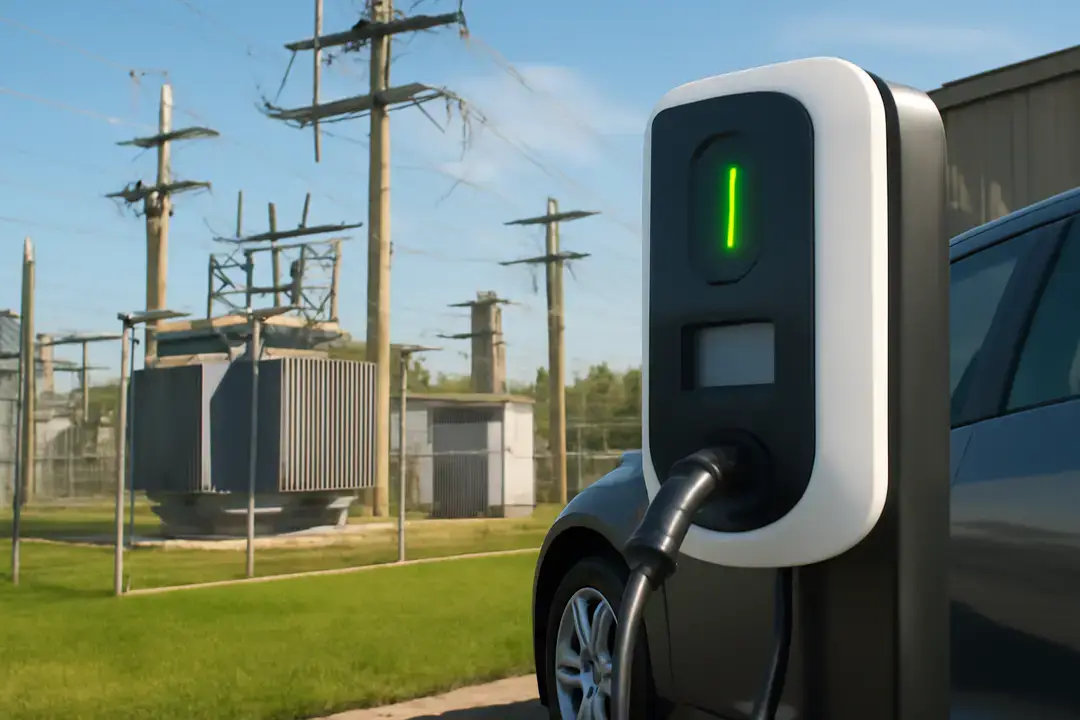
How Utility Providers Are Powering the Future of eMobility
As global transportation accelerates toward electrification, the success of this transition will depend not only on the vehicles themselves but on the robustness and adaptability of the supporting infrastructure. At the heart of this transformation are utility providers—once viewed solely as electricity suppliers—now emerging as architects of the eMobility ecosystem.
Today, utility companies are redefining their roles, helping shape infrastructure, performance standards, and energy policies. From grid integration and charging networks to renewable energy adoption and user accessibility, their involvement is pivotal. As electric vehicles (EVs) move from novelty to norm, utilities must innovate and evolve to meet surging demand, ensuring reliability, seamless connectivity, and sustainability.
Understanding the eMobility Landscape
eMobility covers a broad spectrum of electric-powered transport, including passenger EVs, buses, two-wheelers, delivery vans, ride-hailing fleets, and even e-aviation. The rise of shared mobility, micromobility (e-scooters and e-bikes), and electric public transportation has added layers of complexity and opportunity to this space.
While vehicle manufacturers focus on powertrain innovations and battery range, the underlying infrastructure—charging availability, energy storage, load balancing, and renewable integration—is deeply rooted in utility-controlled domains. This system must function harmoniously to ensure eMobility is scalable, accessible, and environmentally sustainable.
To support this rapid evolution, utilities must go beyond traditional service delivery and adopt digitally-enabled, agile models that integrate smart technologies, distributed energy resources (DERs), and dynamic grid management.
Modernizing Grids for Charging Reliability
EV charging is reshaping energy demand profiles, creating significant peaks, especially in residential neighborhoods and urban corridors where multiple vehicles may charge simultaneously. High-powered DC fast charging, in particular, poses unique grid challenges due to its intense, short-duration energy draw.
Utilities are increasingly deploying smart grid solutions to handle this surge. Key tools include:
- Real-time demand response systems to shift or reduce charging during peak hours.
- Advanced Distribution Management Systems (ADMS) to optimize grid performance.
- Vehicle-to-Everything (V2X) communication to coordinate with connected vehicles.
- Decentralized energy storage systems to absorb load shocks and provide local buffer capacity.
These technologies improve grid stability while ensuring charging reliability, especially critical for EV fleets, logistics companies, and mass transit agencies that operate on tight schedules.
Accelerating Charging Infrastructure Deployment
Utilities are uniquely positioned to spearhead the expansion of national and regional EV charging networks. Their access to grid topology, substation capacity, and localized demand forecasts gives them a strategic advantage in identifying optimal charging locations.
Key initiatives include:
- Public-private partnerships with municipalities, real estate developers, and retail chains.
- Smart urban planning for curbside charging, integrated with local parking systems.
- Fleet electrification supported by offering turnkey solutions for depots, warehouses, and logistics hubs.
Utilities also play a vital role in interoperability, promoting common communication standards, payment integration, and charger compatibility across platforms. This reduces friction for users and ensures long-term system cohesion.
Powering eMobility with Renewable Energy
One of the defining promises of eMobility is its potential to reduce global carbon emissions—but this only holds true if vehicles are powered by clean electricity.
Utilities are enabling this shift by:
- Expanding solar, wind, and hydro generation portfolios.
- Connecting EV charging stations to microgrids that integrate renewables with local storage.
- Deploying green energy certification programs (e.g., Renewable Energy Credits) for EV owners.
Emerging innovations such as vehicle-to-grid (V2G) and vehicle-to-home (V2H) are revolutionizing how EVs interact with the grid. In periods of high demand or blackout scenarios, EVs can discharge electricity back to homes or the grid, effectively functioning as mobile energy storage units. Utilities are now piloting these programs across markets like California, Japan, and parts of Europe.
Data-Driven Services and Consumer Engagement
With the rollout of smart meters, grid sensors, and cloud platforms, utilities are gaining real-time visibility into EV energy usage. This allows them to deliver customized, value-added services, including:
- Time-of-use pricing to incentivize off-peak charging.
- EV-specific tariffs that bundle energy usage with charging network access.
- Predictive maintenance alerts for public chargers based on performance analytics.
- Home energy ecosystem integration with solar panels, battery storage, and smart appliances.
These services empower consumers to charge efficiently, save money, and reduce environmental impact, while giving utilities opportunities for deeper engagement and loyalty.
Shaping Regulations and Industry Standards
As eMobility policies evolve, utility companies are taking center stage in regulatory development. They collaborate with federal agencies, regional regulators, industry bodies, and environmental organizations to:
- Establish grid interconnection standards for new charging points.
- Define safety protocols and load management benchmarks.
- Align with emission reduction goals and international sustainability commitments.
In leading markets such as the EU, United States, and China, utility-backed coalitions are helping shape transportation electrification strategies that support both climate targets and economic competitiveness.
Partnering with Trusted Technology Providers
To execute their growing responsibilities in the eMobility domain, utilities increasingly rely on partnerships with trusted electrical brands and technology providers. These alliances ensure access to:
- High-performance charging hardware (Level 2 and DC fast chargers)
- Modular and scalable grid solutions
- Cyber-secure platforms for EV-grid communication
- Long-term technical support and compliance assurance
Reliable partners also bring global experience and R&D pipelines, enabling utilities to future-proof their systems and reduce risks across deployment lifecycles.
Looking Ahead: Utilities as Mobility Enablers
The future of eMobility is not just about clean vehicles—it’s about intelligent infrastructure, empowered users, and sustainable energy ecosystems. Utility companies are no longer passive participants; they are mobility enablers, guiding the energy transition while shaping how we move, connect, and live.
As the sector matures, the success of EV adoption will increasingly depend on how well utilities integrate power, policy, and people.
Further Reading