Types of Tire Defects That Often Lead to Car Crashes
The types of tire defects that most often lead to car crashes include tread separation, belt separation, sidewall blowouts, bead failure, manufacturing defects, design defects, and defective rubber compounds.
Tire defects can cause serious car crashes by affecting traction, stability, and vehicle control. When a tire fails at high speed, the driver may lose control in seconds, leading to rollover accidents or multi-vehicle collisions.
In many cases, a defective tire accident happens without warning and is not caused by driver error. Understanding the most common tire defects can help drivers recognize warning signs and know when a manufacturer may be responsible.
Tread Separation
Tread separation is one of the most dangerous tire defects.
It occurs when the outer rubber tread detaches from the inner structure of the tire. This can happen due to weak bonding during manufacturing or poor-quality materials.
When the tread separates, the vehicle may shake violently. At highway speeds, this often causes loss of steering control.
Blowouts
A tire blowout happens when a tire suddenly bursts while driving.
Blowouts can result from:
- Structural weaknesses
- Manufacturing defects
- Internal damage
- Overheating
While underinflation and road hazards can contribute, defective construction may also be the cause. Blowouts frequently lead to swerving or rollover crashes.
Sidewall Defects
The sidewall supports the tire’s shape and strength.
Defects in the sidewall may include:
- Weak rubber compounds
- Improper layering
- Cracks or bubbles
A sidewall failure can cause sudden air loss. This type of defect is especially dangerous because it often gives little warning.
Poor Tire Design
Yes. Sometimes the problem lies in the design rather than a manufacturing error.
Design defects may involve:
- Weak tread patterns
- Inadequate heat resistance
- Poor structural support
If the design itself is flawed, every tire in that model line may be unsafe. These cases can lead to large-scale recalls.
Belt Separation
Inside most tires are steel belts that add strength and durability.
Belt separation occurs when these internal layers detach. This weakens the tire’s structure and may cause vibration, uneven wear, or sudden failure.
Like tread separation, belt separation can quickly lead to loss of control.
Improper Curing
During manufacturing, tires are cured using heat and pressure.
If curing is done incorrectly, the rubber may not bond properly. This creates weak points within the tire.
Improper curing can increase the risk of separation or blowouts over time.
What Role Does Quality Control Play?
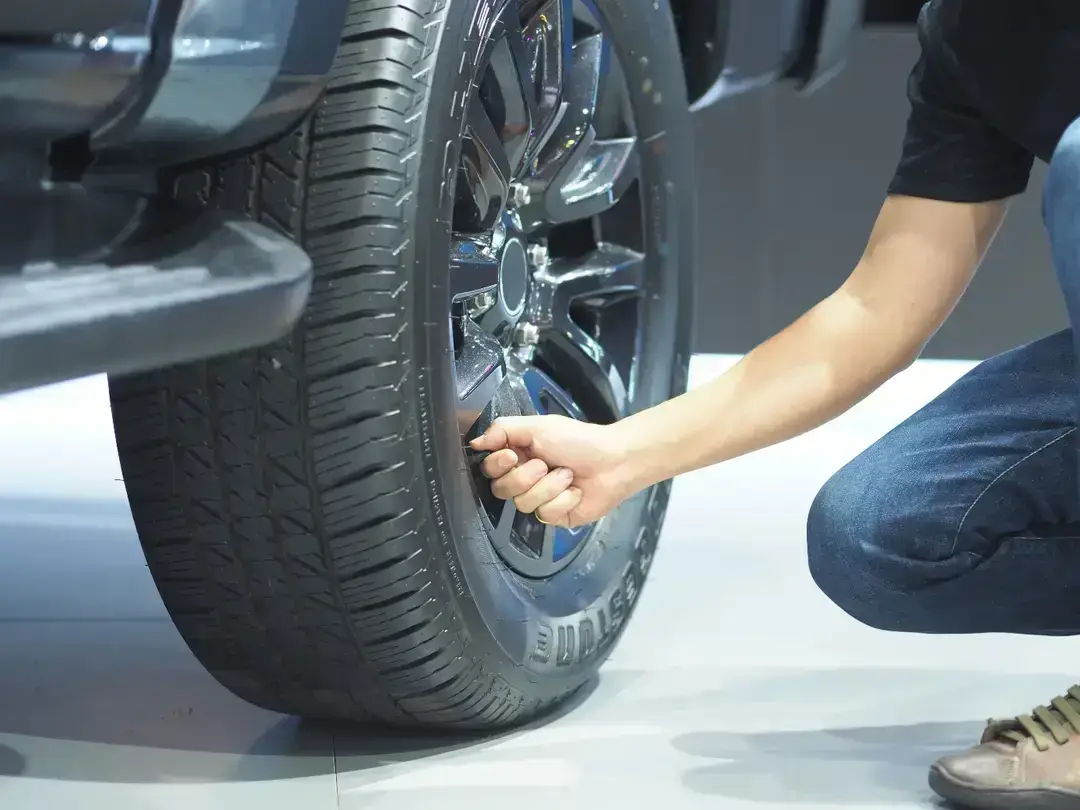
Tire manufacturers must follow strict quality control procedures.
Failures in quality control may include:
- Skipping inspections
- Using substandard materials
- Inconsistent production standards
When safety checks are ignored, defective tires may reach consumers.
Who Is Liable in a Tire Defect Crash?
Liability depends on the cause of the defect.
Potentially responsible parties include:
- Tire manufacturers
- Distributors
- Retail sellers
- Vehicle manufacturers
If a defect caused the crash, the case may fall under product liability law rather than driver negligence.
What Should You Do After a Suspected Tire Defect Crash?
If you believe a tire defect caused your crash, act quickly.
- Preserve the damaged tire and vehicle.
- Take photographs of the scene and tire damage.
- Obtain a copy of the police report.
- Seek medical attention immediately.
- Consult a product liability attorney.
Do not discard the tire. It may serve as critical evidence.
Why Tire Defect Cases Require Investigation
Tire defects are not always obvious. A detailed inspection by experts is often required to determine the true cause.
Manufacturers may deny responsibility. Proper investigation can reveal whether the issue was due to misuse or a production flaw.
Understanding the types of tire defects helps drivers protect their rights after an accident.
Key Takeaways
- Tire defects can cause sudden and serious car crashes.
- Tread separation and blowouts are common, dangerous defects.
- Sidewall and belt failures weaken the tire structure.
- Design and manufacturing errors may lead to recalls.
- Quality control failures can result in unsafe products.
- Preserving the tire is critical after a crash.
- Product liability laws may apply if a defect caused the accident.
Further Reading