The Worst Time to Visit Thailand: Pollution Season Explained
Thailand is a popular tourist destination known for its stunning beaches, rich culture, and vibrant nightlife. However, one of the biggest downsides to visiting or living in Thailand is the severe air pollution that affects various regions, particularly during the infamous Burning Season. Understanding the pollution levels throughout the year is crucial if you want to plan your trip wisely and avoid potential health risks.
In this article, we’ll explore the causes of Thailand’s pollution, the worst times to visit, and how you can minimize its impact on your experience.
Why Is Air Pollution So Bad in Thailand?
Thailand ranks among the world’s most polluted countries, with Bangkok and northern cities like Chiang Mai and Chiang Rai experiencing particularly poor air quality. There are three main contributors to this pollution:
1. Traffic Emissions
Thailand’s roads are congested with older vehicles, including buses and trucks with outdated engines that release toxic fumes. If you’ve ever ridden a motorbike behind one of these vehicles, you know how suffocating it can be. The high volume of traffic and lack of stringent emissions regulations contribute to persistent smog, especially in Bangkok.
2. Construction Dust and Debris
Thailand is constantly developing, with new hotels, high-rises, and infrastructure projects underway. These construction sites release fine dust particles and chemicals into the air, further worsening pollution levels. Unfortunately, Thailand lacks strong regulations to control or minimize this type of pollution.
3. Burning Season (January – April)
The most significant contributor to Thailand’s pollution crisis is the Burning Season, which occurs annually from January to April. During this period, farmers in the northern regions burn agricultural fields to prepare for the next planting season. This method is cheap and efficient for them but has devastating consequences on air quality.
As these fires rage across the countryside, they release large amounts of PM2.5 particles (fine particulate matter), which are hazardous to human health. The pollution spreads not only within Thailand but also to neighboring countries.
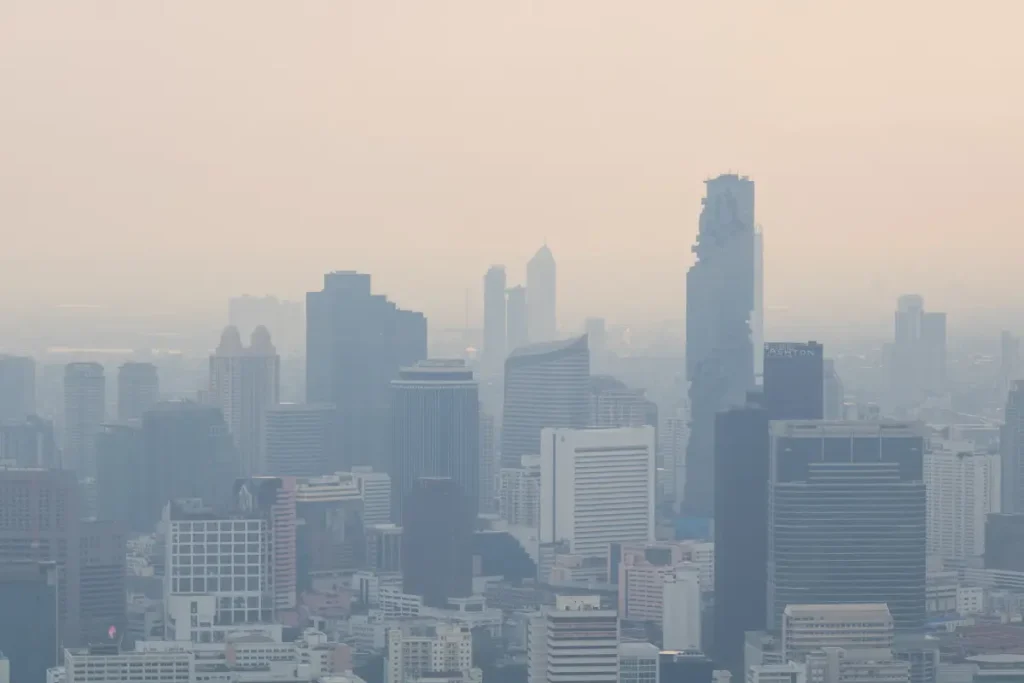
When Is Air Pollution at Its Worst?
If you’re planning a trip to Thailand, you’ll want to avoid visiting during peak pollution months. Here’s how the air quality changes throughout the year:
February – March: The Worst Months
- The pollution is at its highest, especially in Chiang Mai and Chiang Rai, where AQI levels (Air Quality Index) can exceed 150–200, which is classified as very unhealthy to hazardous.
- Visibility is low, the air feels heavy, and people often experience coughing, eye irritation, and difficulty breathing.
- This is the time when even locals avoid outdoor activities.
April – May: Slight Improvement
- As the Burning Season comes to an end, air quality starts improving. However, pollution levels remain moderate to unhealthy on certain days.
June – October: The Best Air Quality
- Thailand’s rainy season helps clear the air, making this the best time for clean air in cities like Bangkok, Phuket, and Krabi.
- AQI levels drop below 50, which is considered good.
November – December: Transition Period
- The air is still relatively clean, but pollution starts increasing in December as the dry season begins and Burning Season approaches.
Best and Worst Cities for Air Quality in Thailand
If you want to avoid pollution, choosing the right city is essential.
Worst Cities for Pollution
- Chiang Mai
- Chiang Rai
- Bangkok
- Nakhon Sawan
- Lampang
These cities experience some of the worst air pollution, especially during the Burning Season.
Best Cities for Clean Air
- Phuket
- Krabi
- Koh Samui
- Hua Hin
- Rayong
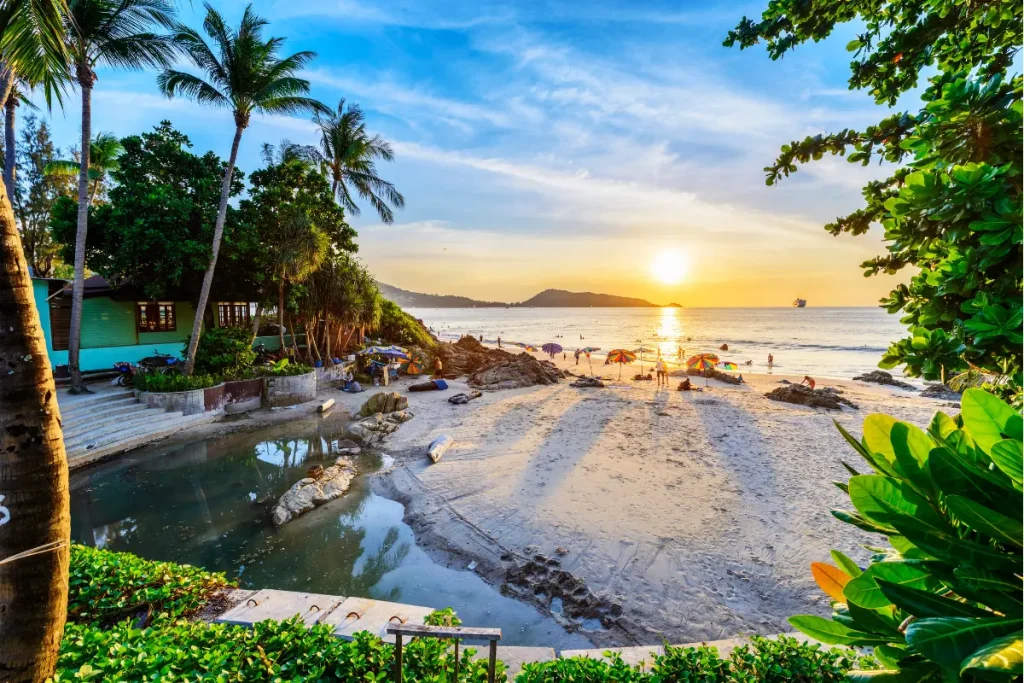
Coastal regions and southern islands generally have much cleaner air, making them better choices for visitors who are sensitive to pollution.
How to Protect Yourself from Thailand’s Pollution
If you’re traveling or living in Thailand, here are some ways to protect yourself from air pollution:
1. Avoid Visiting During the Burning Season
If possible, plan your trip between June and October when the air quality is at its best.
2. Stay in Cleaner Regions
Avoid northern cities like Chiang Mai during peak pollution months and opt for coastal destinations like Phuket or Krabi.
3. Wear a Mask (N95 or KN95)
During high pollution days, wearing a high-quality N95 or KN95 mask can significantly reduce your exposure to harmful particles.
4. Use an Air Purifier Indoors
If you’re staying in Thailand long-term, investing in a HEPA air purifier can help keep the air inside your home clean.
5. Limit Outdoor Activities on Bad Air Days
On high AQI days, try to stay indoors, avoid heavy exercise outside, and keep windows closed.
Is Thailand Still Worth Visiting?
Despite the pollution problem, Thailand remains a fantastic destination with its beautiful landscapes, low cost of living, and welcoming culture. Every country has its challenges, and in Thailand, air pollution is one of them—but it can be managed.
For many expats and digital nomads, the benefits of living in Thailand—such as affordable living costs, warm climate, and overall happiness—outweigh the negatives of poor air quality.
By planning your visit wisely and taking precautions, you can still enjoy everything Thailand has to offer without suffering from the worst of its pollution problem.
Final Thoughts
Worst Time to Visit: February – March (severe pollution)
Best Time to Visit: June – October (clean air)
Best Cities for Air Quality: Phuket, Krabi, Koh Samui
How to Stay Safe: Wear a mask, use an air purifier, avoid outdoor activities on high AQI days
While pollution is a concern, Thailand remains one of the most rewarding travel destinations in the world. By being mindful of when and where you visit, you can minimize exposure to pollution and have a great experience in the Land of Smiles!
Would you still visit Thailand despite the air pollution? Let us know in the comments!