
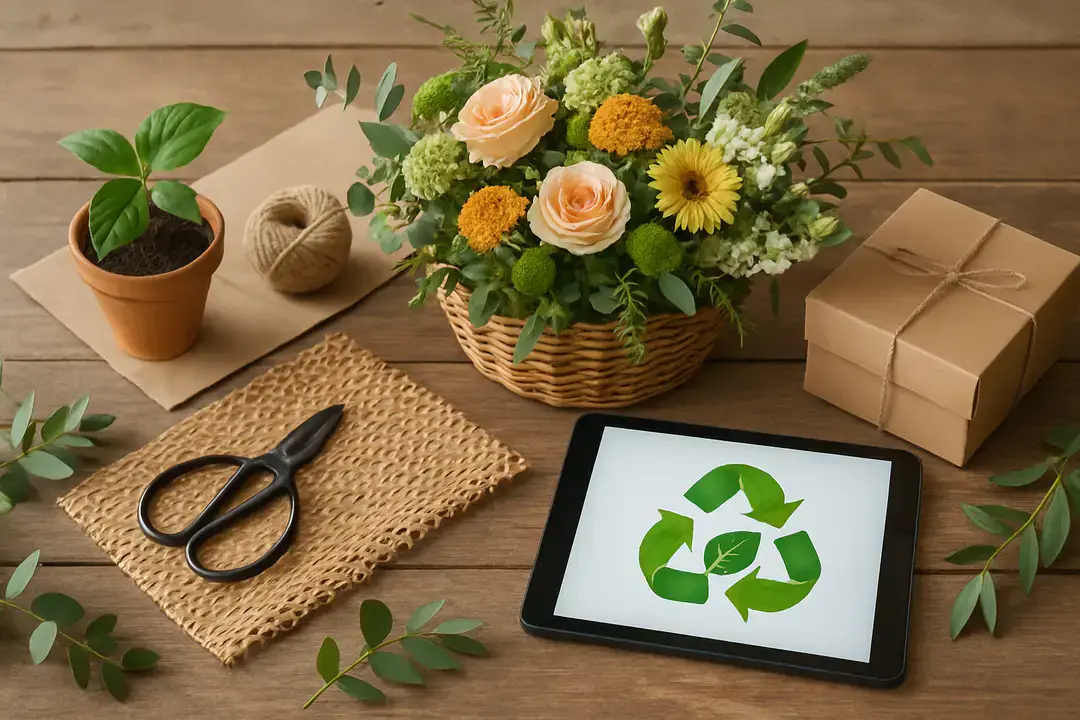
Sustainability in Floristry: Eco-Friendly Practices and Tech
Floristry is changing as more people care about the environment. Many flower shops now use methods that reduce waste and protect natural resources. The demand for greener options is growing as customers look for sustainable choices.
This shift also helps support local communities and ethical farming. Technology is making it easier for florists to track their impact and use fewer harmful materials.
Choosing eco-friendly flowers can still be beautiful while helping the planet. Learn how sustainability in floristry is shaping the future of the industry in ways that benefit both people and nature.
Using Locally Sourced Flowers
Sourcing flowers from local growers reduces the carbon footprint from transportation. It also supports nearby farms and keeps money in the community. Local flowers are often fresher because they are cut closer to the date of sale.
Seasonal blooms also require less energy to grow compared to imported varieties. By choosing nearby sources, florists can avoid harmful shipping methods. This practice shows how simple choices can make a positive difference for the environment.
Reducing Floral Foam Use
Floral foam is harmful because it contains plastic and chemicals that do not break down easily. Many florists are switching to reusable or compostable alternatives. The following bases can hold arrangements without pollution:
- wire frames
- chicken wire
- moss
This change also prevents microplastics from entering water systems. Customers can ask for arrangements that avoid foam altogether. This small change helps reduce waste in the floristry industry.
Choosing Sustainable Packaging
Eco-friendly packaging materials are now widely available for floral arrangements. Florists can use:
- recycled paper
- biodegradable wraps
- reusable containers
These options reduce the amount of plastic waste in the environment. Even ribbons and ties can be made from natural fibers. A Los Angeles Florist that adopts such packaging methods can appeal to environmentally conscious customers. Sustainable packaging also adds a natural and authentic look to the final product.
Composting Floral Waste
Flower waste can be turned into compost instead of going to landfills. Composting returns nutrients to the soil and helps grow healthier plants. Many florists now keep bins for:
- stems
- leaves
- unused blooms
Local farms or community gardens can also benefit from donated compost. This reduces methane emissions that come from organic waste in landfills. Turning waste into compost is an easy way to support a circular system in floristry.
Embracing Digital Tools
Technology helps florists manage orders and track inventory more efficiently. This can reduce overordering and the waste of unused flowers. Digital scheduling also allows better planning for seasonal demand.
Some tools can even calculate the environmental impact of certain products. Using technology for planning supports both profit and sustainability. It helps florists meet customer needs while using fewer resources.
Educating Customers on Sustainability
Florists can encourage eco-friendly choices by explaining the benefits to customers. Sharing details about local sourcing, packaging, and composting builds awareness. Simple tips can inspire customers to choose arrangements that are better for the planet.
Education also builds trust and loyalty in the long term. Customers who understand the impact are more likely to support sustainable businesses. This creates a cycle of demand for greener products.
Learn About Sustainability in Floristry
Sustainability in floristry is becoming more than just a trend. It is shaping how flowers are sourced and delivered.
Florists who embrace these practices help protect the environment while offering beautiful arrangements. The future of floristry can be both creative and sustainable when the right choices are made.
Should you wish to read more, visit our blog page. We’ve got more topics for you!
Further Reading