
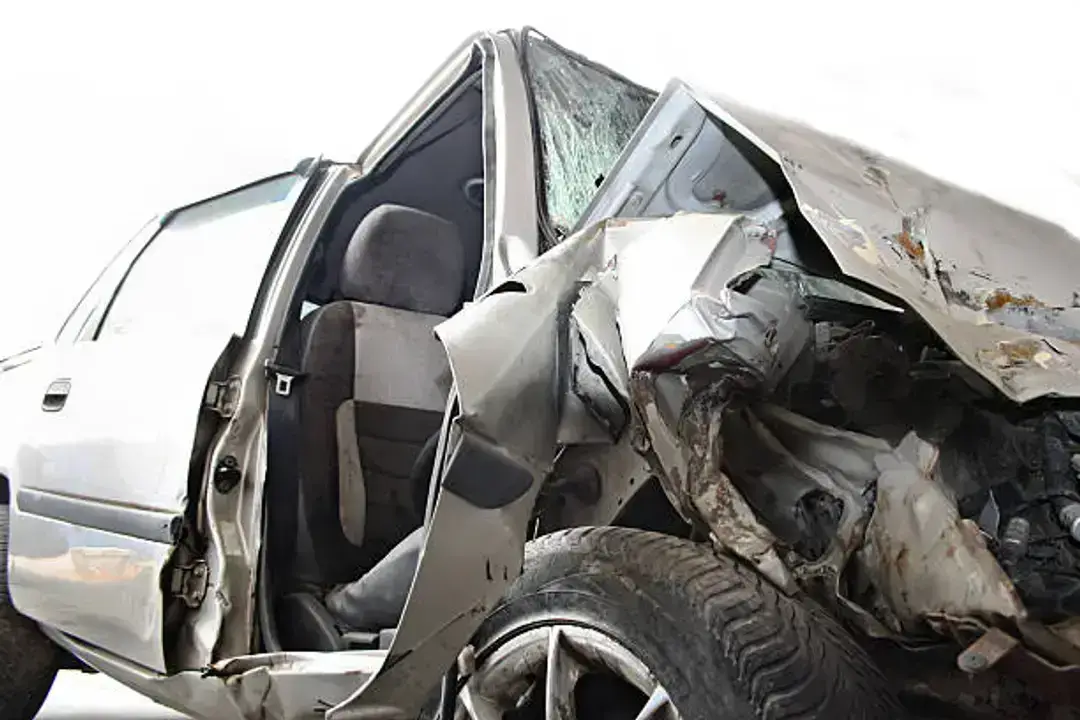
Steps to Follow After a Company-Vehicle-Owned Accident
The steps to follow after a company-vehicle-owned accident are simple: ensure safety, call the police, gather evidence, get medical care, notify your employer, file the insurance claim, and speak with a lawyer if needed.
Accidents involving company vehicles are handled differently from private car crashes because the vehicle is work-related, and the employer’s insurance is usually involved.
That is why it is important to know before driving a company car what steps to take if an accident happens, not after. Because panic makes people forget even the obvious stuff.
Ensure Safety
First things first. Your number one priority is safety and the safety of those with you.
Check yourself and the passengers for any form of injuries. If the vehicle can move, get it out of traffic. Standing in the road arguing helps no one.
According to the National Highway Traffic Safety Administration, quick emergency response after road accidents reduces the risk of severe injury and death. That alone is reason enough to focus on safety before anything else.
Report to the Authorities
Even if the accident feels minor, it is very essential that a police report be filed.
Call the police and wait for them to arrive. A police report creates a neutral record of what happened, not opinions or emotions.
A small fender bender can turn into a big insurance problem simply because no report was filed. It happens more often than people think.
Gather Evidence
Evidence is the backbone of any claim. It may feel awkward, but do it anyway. Start by taking pictures of the accident scene from different angles. Capture the cars, the condition of the road, and the physical damages.
If there are witnesses, ask for their contact details, such as
- Names
- Phone numbers
- License details, and
- Insurance information.
Keep it simple and be polite. No blaming and no long conversations. Just facts.
Seek Immediate Medical Attention
You might feel fine, but that doesn’t mean you are. Some injuries take hours or days to show up. Conditions like neck pain, back pain, and headaches can sneak in later.
Get checked and make sure the visit is recorded as work-related. That small detail matters more than you may think.
Notify Your Employer
Do not delay. Inform your supervisor or fleet manager as soon as you can.
Most companies have strict reporting rules. Miss the window, and things get complicated.
Follow their process, even if it feels repetitive and annoying. This will help support you later.
File an Insurance Claim

Company vehicles are usually covered by commercial insurance. Your employer or insurer will guide this step.
When you are asked to give a statement, do so with all honesty. Keep it factual and brief. Avoid guessing or accepting blame too early, as this can cause problems later.
Speak with a Car Accident Lawyer
Not every case needs a lawyer. But some really do. If injuries are serious, or fault is disputed, legal advice can protect both your income and your job.
Data from the Insurance Research Council shows that injured claimants who seek legal guidance often receive higher compensation than those who do not. Some people think lawyers complicate things, but sometimes they actually simplify them.
Final Thoughts
Company-vehicle-owned accidents are stressful. There’s no way around that. But preparation makes a bad day less damaging.
Following the right steps as mentioned above will help you stay in control and keep things from spiraling. Those steps will not undo the accident. But they will protect you after it.
Quick Recap
- Check for injuries and secure the scene.
- Call the police and get an official report.
- Exchange details and document everything.
- Get medical attention, even if you feel fine.
- Notify your employer immediately.
- File the insurance claim carefully.
- Speak with a lawyer if the situation gets serious.
Further Reading