How Seatbelt Use Influences Injury Types in Car Collisions
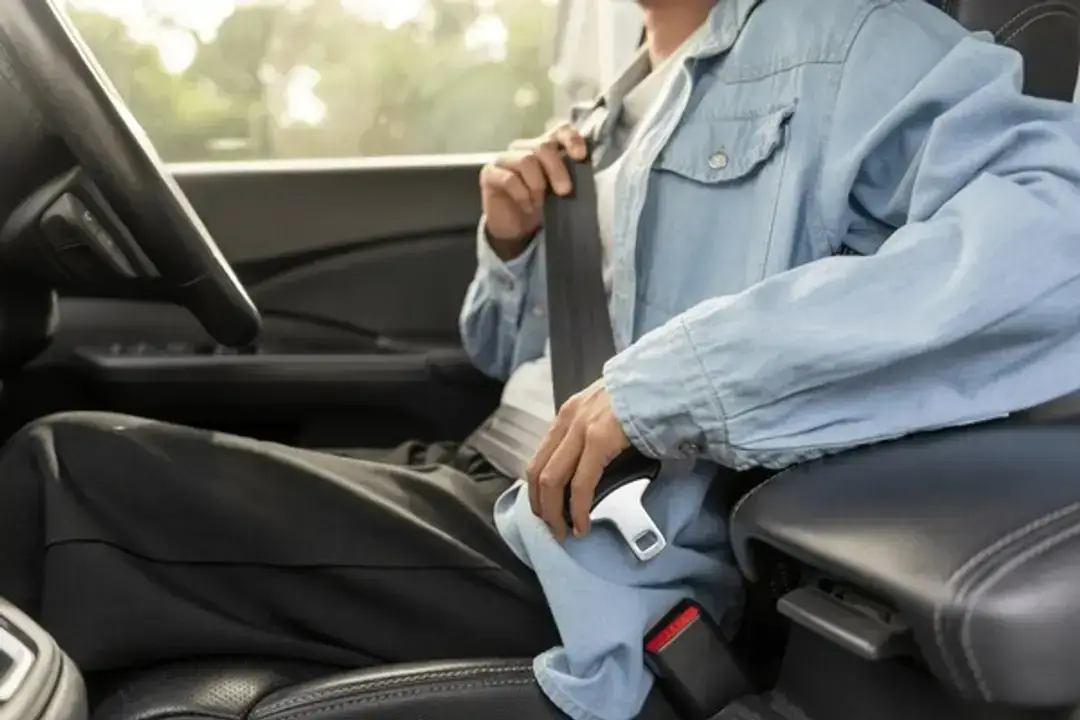
Seatbelts are one of the most effective safety devices ever created. And yet, even with campaigns and laws to ensure their mandatory use, there are still people who will not wear them. This can have lifetime consequences.
Seatbelt use not only influences whether a person survives a crash but also affects the severity of injuries sustained and the compensation one may be entitled to.
However, if the crash was caused by another driver’s negligence, you may still be entitled to seek a settlement to compensate for your injuries, even if your lack of seatbelt use becomes a point of contention.
Let’s break down how seatbelts function during a crash, what kind of injuries they help prevent, and the risks of not wearing one.
Reduces the Risk of Head and Brain Injuries
Seatbelts help keep your head from hitting the steering wheel, dashboard, or windshield during a collision. By restraining the upper body, they limit whiplash and reduce the force of impact to the skull, which lowers the risk of traumatic brain injuries, concussions, and skull fractures. Without this restraint, even a low-speed crash can result in the head striking hard surfaces with serious consequences.
Decreases Chest and Rib Injuries
Seatbelts distribute the force of a crash across the chest, so the body does not slam forward violently. This minimizes the risk of broken ribs, shattered sternums, and damage to organs like the heart and lungs. Bruising may occur, but it is a small price to pay compared to the potentially fatal trauma that seatbelts typically prevent.
Prevents Ejection from the Vehicle
When a car crashes in a catastrophic accident, those unbuckled can be thrown from the vehicle, often with a deadly outcome. Wearing a seatbelt holds you securely in your seat, significantly reducing the chance of being thrown through windows or doors. Ejection from a car has been shown through studies to make it over 75% more likely that you will die.
Reduces Spinal Cord and Back Injuries
A seatbelt helps limit excessive motion during impact, protecting the spine from unnatural bending or twisting. It maintains alignment of the spine and neck, reducing the risk of fractured vertebrae, nerve damage, or permanent paralysis. In high-impact crashes, this stability can mean the difference between a full recovery and lifelong disability.
Lowers Abdominal and Pelvic Injuries
A properly positioned lap belt sits across the strong bones of the pelvis, not the soft abdomen. This placement helps shield internal organs like the liver, kidneys, and intestines from compression during a crash. Wearing the belt too high on the abdomen, especially during pregnancy, increases the chance of serious internal trauma.
May Cause Minor Belt-Related Injuries
While seatbelts are lifesaving, they can sometimes cause minor injuries due to the force of the restraint. Common issues include bruising, abrasions (belt burn), or fractures of the collarbone or sternum, especially in high-speed crashes. These minor injuries are a sign that the seatbelt absorbed a potentially fatal impact.
Works Best with Airbags
Seatbelts and airbags are designed to function together as a safety system, not separately. The seatbelt keeps you in the correct position so that the airbag can deploy and cushion you effectively without causing injury. Without a seatbelt, a deploying airbag can strike the body too early or at the wrong angle, increasing injury severity.
Helps Maintain Control of the Vehicle
Wearing a seatbelt keeps the driver properly positioned behind the wheel during sudden movements or collisions. This stability allows the driver to maintain better control of the steering wheel and pedals, which can help prevent secondary accidents. In emergencies, staying securely in place increases the chance of responding quickly and avoiding further danger.
Further Reading