
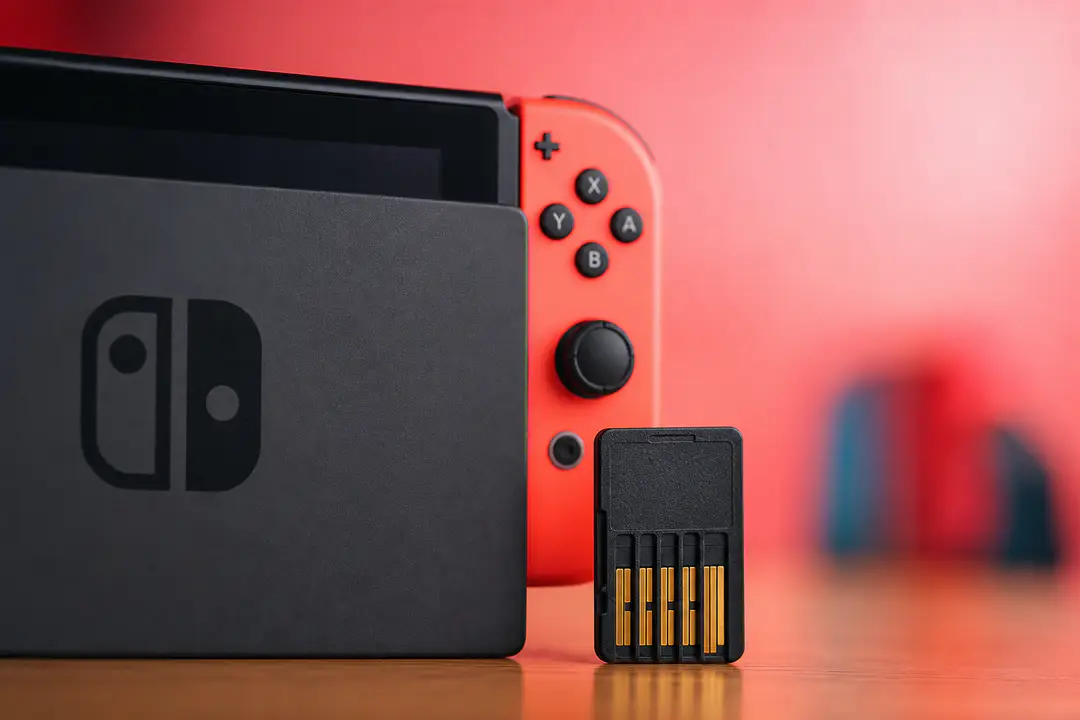
Nintendo Shares Slide on Memory Squeeze Fears
Nintendo Co. shares dropped on Wednesday after the company’s latest earnings update missed market estimates on quarterly revenue, reigniting investor concern that a global memory shortage will raise component costs for the Switch 2. The stock fell more than 10% in a single session and was down as much as 2.6% intraday in another, as traders weighed strong profit growth against pressure on future profitability and hardware margins.
Why Nintendo Shares Fell
Nintendo delivered a mixed earnings picture. Revenue rose 86%, but the company still missed analyst expectations for quarterly sales. Profit came in stronger, beating estimates with a 24% year-on-year increase, yet investors focused on what higher memory pricing means for the economics of the company’s next hardware cycle.
The key issue is the supply chain for memory chips, especially DRAM and NAND. Those inputs matter directly for a new console because they affect internal storage, system memory, and the cost of features tied to expandable memory and storage cards. Rising contract prices have already become a broader issue across electronics, driven in part by AI and data center demand.
President Shuntaro Furukawa said the current spike in memory prices is not having a major impact on earnings this fiscal year, but he also warned that a longer-lasting increase would put pressure on Nintendo’s profitability. That comment mattered because investors are trying to model the earnings profile of the Switch 2 after launch, especially if Nintendo sticks to its long-standing preference not to sell hardware at a loss.
| Key number | Value | Why it matters |
|---|---|---|
| Share move | More than 10% lower on Wednesday | Shows sharp investor concern after earnings |
| Intraday move | Down as much as 2.6% | Reflects immediate market reaction in a separate trading session |
| Revenue growth | 86% | Sales expanded strongly despite the miss versus expectations |
| Profit growth | 24% year on year | Earnings beat estimates even as revenue missed |
Why Context Matters
The concern is straightforward. If DRAM and NAND prices keep rising, Nintendo faces tougher decisions on hardware pricing, launch allocations, and near-term margins. That matters more in the console sector than in software-heavy businesses because hardware bills of materials are exposed to semiconductor price swings.
- DRAM: A direct input for system memory and overall console performance.
- NAND: Critical for onboard storage, downloads, and digital game capacity.
- Storage cards: Higher flash costs can raise accessory prices tied to expandable memory.
- Contract prices: Longer-term supply deals can soften volatility, but only for a period.
Analysts have split on how much risk investors should assign to the issue. Andrew Jackson of Ortus Advisors has pointed to margin sensitivity around the early Switch 2 period, while James McWhirter of Omdia has highlighted that memory inflation can ripple through both hardware and accessory pricing. Serkan Toto of Kantan Games has focused more on demand durability, arguing that launch performance remains strong even without a constant stream of major first-party blockbusters.
That distinction is central to the current market reaction. Investors are not only asking whether Nintendo can keep console sales strong through the holiday season, but whether each unit sold will generate the level of profit the market had expected before the latest price pressure on semiconductors.
Background
The stakes are higher because Nintendo is already in the early phase of a new hardware generation. The company launched the Switch 2 in mid-2025, and hardware momentum has been watched closely ever since for signs of a new upgrade cycle. Early sales have been solid, including 17.4 million units sold in the nine months to the end of December, a period that included the year-end shopping season.
Nintendo has also kept annual hardware guidance intact at 19 million Switch 2 units in one recent forecast and has projected 16.5 million units in another period-specific outlook, depending on the fiscal frame being measured. Those figures underline that management still sees substantial consumer demand. The market’s concern is less about whether people want the console and more about what inflation in key parts does to the earnings mix.
Furukawa has stressed that Nintendo is insulated better than some rivals because of inventory planning and long-term procurement. That offers protection from the broader semiconductor shortage, but it does not fully remove the risk if higher memory pricing lasts longer than expected. In the meantime, the old Nintendo Switch remains a significant installed base and software platform, giving the company a buffer that many hardware peers do not have.
Readers tracking the wider gaming news cycle have seen similar pressure points emerge whenever component inflation collides with a major console transition.
What Investors Are Watching for Switch 2
For equity investors, the next question is whether Nintendo can preserve pricing discipline without slowing demand. The company has room to rely on software attach rates, digital sales, and first-party franchises, but hardware still shapes sentiment during a launch period. If bill-of-materials inflation narrows gross margin, even strong unit growth can produce a weaker earnings narrative than headline sales suggest.
There is also a secondary issue around accessories and user storage. If flash pricing remains elevated, storage cards and other products linked to expandable memory stay expensive for consumers. That can affect total spending per user and shape purchasing behavior for buyers who expect larger digital libraries on newer hardware.
- Margins: Investors want to know whether Nintendo can hold hardware profitability as memory prices rise.
- Demand: The market is testing whether launch enthusiasm carries through the next major release calendar.
- Pricing: Any further console or accessory price increases would trigger another reassessment.
- Holiday season: Year-end performance remains the most important near-term demand signal.
Several analysts still argue the selloff risks overstating the damage. Nintendo has historically managed hardware transitions carefully, and its software catalog remains a support for earnings quality. Still, when a company misses revenue expectations during a new console cycle, the market tends to punish uncertainty fast.
That dynamic is especially visible in a stock with a large retail following and global brand recognition. A one-day drop can erase substantial market value, even when underlying profit trends remain positive. Investors who also follow gaming trends will recognize this pattern: hardware demand, supply costs, and title cadence all move valuations at once.
Key Numbers to Know
- Quarterly revenue: Missed market estimates.
- Revenue growth: Up 86%.
- Profit: Beat estimates with 24% year-on-year growth.
- Switch 2 sales forecast: Maintained at 19 million units in one annual outlook.
- Switch 2 units sold: 17.4 million in April-December.
- U.S. price point: $449.99 in one period; later raised to $500 in the U.S. amid changing market conditions.
What’s Next
The next catalyst is management’s ability to show that cost pressure stays contained while launch performance remains healthy. Investors will watch upcoming earnings for any change in commentary on DRAM, NAND, and supply agreements, as well as any adjustment to sales guidance, pricing, or expected margins.
Upcoming software releases also matter because a stronger title slate can support hardware sell-through and digital spending even if component inflation persists. Nintendo’s holiday season execution will carry extra weight if memory prices remain elevated through the next procurement cycle.
- Next earnings update: Watch for revised comments on memory costs and profitability.
- Software cadence: New first-party titles can support the Switch 2 demand curve.
- Pricing moves: Any additional changes for hardware or accessories will be closely watched.
Readers looking for more market-side coverage can also follow broader price moves and risk sentiment across tech-linked assets, though Nintendo’s story remains tied first to hardware demand and supply-chain discipline.
The Bottom Line
Nintendo’s earnings did not point to a demand collapse. They highlighted a valuation problem investors know well: strong sales growth matters less when rising component costs threaten future margins. The stock now turns on one core question, whether Nintendo can keep the Switch 2 profitable while the memory shortage keeps pressure on the cost of memory chips.