Nintendo 64 Library Gets Rollback Netcode
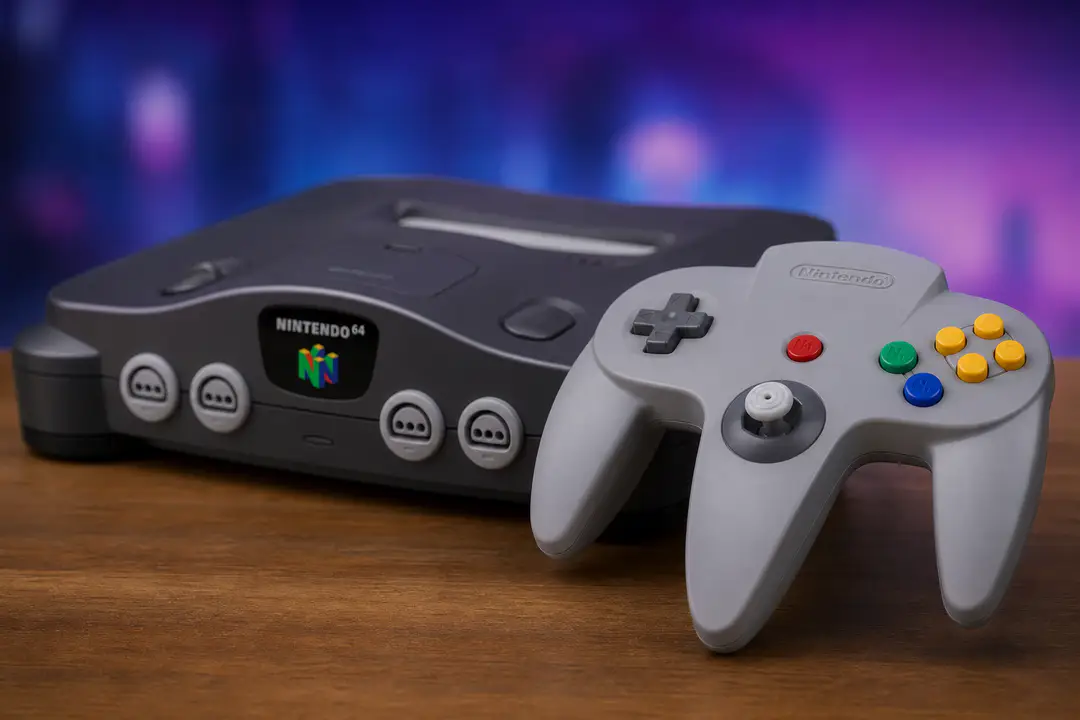
Nintendo 64 online play just took a big step forward: on May 14, the RMG-K emulator received a v0.9.4 update that adds rollback netcode across the system’s full game library. The change matters because classic multiplayer games such as Super Smash Bros. and GoldenEye can now run with less input delay than older delay-based netcode setups, giving long-distance netplay a better shot at feeling responsive.
What Changed in RMG-K v0.9.4
RMG-K is a fork of the original RMG Nintendo 64 emulator, and the new update expands rollback feature support across the emulator rather than limiting it to a single game. That means the entire Nintendo 64 library is covered at the emulator level, which is why the announcement immediately caught the attention of players who still run retro multiplayer sessions online.
Development credits tied to the update include Jay-Day and NyxTheShield, with the rollback work folded into the Kaillera netplay side of the project. Rosalie241 is part of the original RMG lineage, so the new fork sits in a recognizable branch of the N64 emulator scene rather than appearing from nowhere.
- Rollback netcode arrived in the May 14 release.
- The update has been identified as v0.9.4.
- Support applies to the full emulator library, not one hand-picked title.
- CigNus said the current implementation is limited to two-player sessions.
The release notes around this branch of development also point to related netplay work, including input reader updates, consistency fixes, Linux netplay changes, and P2P interface tweaks. In practice, that matters because rollback only feels good when the emulator’s sync behavior is stable and desyncs stay under control.
Why Rollback Netcode Matters
Rollback netcode handles latency differently from delay-based netcode. Instead of adding large amounts of input delay so both players stay locked together, it predicts missing inputs, keeps the match moving, and corrects the game state with frame rollback when the remote input arrives.
For Nintendo 64 games, that difference is huge in anything timing-sensitive. Competitive Super Smash Bros. players care about frames of delay because small changes to responsiveness can alter combos, defensive reactions, and edge-guard timing in ways that are obvious within a few seconds of play.
| Netplay Model | How It Handles Latency | Player Experience |
|---|---|---|
| Delay-based netcode | Adds input delay to wait for remote inputs | Heavier controls, especially at higher ping |
| Rollback netcode | Predicts inputs and corrects with frame rollback | Lower-latency mode with less visible delay |
A demo tied to the project showed rollback operating at 320 ms ping with four frames of delay, while an equivalent delay-based netcode setup at the same connection quality would need at least ten frames of delay. That does not remove latency, but it changes how the latency is felt, which is why rollback has become the preferred standard for modern fighting-game online play.
Key Developments
The sections below cover how the update is being tested, where its current limits stand, and how developers and the community are reacting as RMG-K rollback moves from announcement to broader real-world use.
Community Testing
Early attention has centered on Super Smash Bros., and that makes sense. Smash 64 has stayed active for years as a competitive scene, so any improvement to online play gets tested fast by players who already notice tiny timing shifts.
- Super Smash Bros.
- GoldenEye 007
- Mario Kart 64
- Mario Party
- Diddy Kong Racing
Smash is the title with the most immediate visibility, but the broader promise is library-wide. GoldenEye is especially notable because official re-releases have historically struggled to offer the kind of online multiplayer fans wanted, leaving emulator netplay as the place where enthusiasts keep experimenting.
That wider retro interest also lands during a period when emulator stories have been picking up more attention across PC and fan communities, including projects around older Nintendo titles like the Twilight Princess decompiled port. RMG-K’s update fits that same pattern of fans using modern development work to make older games easier to play in new ways.
Current Limits
The biggest known limit is simple: rollback currently appears restricted to two-player sessions. CigNus has been clear on that point, so anyone hoping for four-player Mario Kart 64 or party-game chaos with rollback support should treat that as unverified for now.
There are other open questions as well, mostly around compatibility depth rather than basic availability. The emulator-level implementation covers the full library, but that does not mean every multiplayer game has been tested equally, or that every edge case involving desyncs, adapters, and online conditions has already been ironed out.
- Two-player sessions are the current confirmed limit.
- Not every game has extensive public testing yet.
- Wired connection quality still matters for stable netplay.
- Rollback reduces felt delay, but it does not erase bad internet conditions.
Players also still need realistic expectations about emulator online play. Low-latency mode works best when both sides have clean setups, sensible frames of delay settings, and stable hardware input paths, especially in older games that were never built with internet multiplayer in mind.
Why This Matters Now
Nintendo 64 multiplayer has always had a strange online history. Local split-screen classics were easy to remember but hard to reproduce remotely, and delay-based netcode often made fast-action titles feel mushy enough that serious players went back to local setups whenever possible.
That is why an emulator-wide rollback feature stands out. Most retro rollback efforts focus on a single game, but RMG-K applies the approach at the Nintendo 64 emulator level, giving a broad slice of the library access to better netplay without needing a different custom solution for every release.
The update also lands at a time when gaming communities are paying closer attention to preservation, unofficial compatibility work, and software safety. Emulator users tracking projects like the malicious Cemu build case have a clear reminder that forks and community tools deserve careful download habits, even when the technical progress is exciting.
Developer Perspective
The names attached to the current wave of work include Jay-Day, NyxTheShield, and CigNus, with community discussion also pulling in references to Claude and Codex because AI-assisted coding has become part of how some emulator and hobby projects move faster. That has sparked debate alongside the celebration.
Some players see AI help as a practical way to speed up hard technical work in old codebases. Others argue that emulator development needs careful review line by line, especially where netplay, determinism, and desyncs are involved, because a feature that looks good in one test case can break badly across a wider set of games.
So far, the clearest takeaway is not the controversy but the result on screen: Nintendo 64 multiplayer now has a rollback implementation at the emulator level, and the community is stress-testing it in real matches instead of treating it as a theory project.
What Happens Next
The next phase is straightforward: more testing, more game-specific reports, and close attention to whether support expands beyond two-player sessions. Super Smash Bros. will keep serving as the early proving ground, but the long-term story depends on whether GoldenEye, Mario Kart 64, Mario Party, and other N64 staples hold sync cleanly across a wider set of online play conditions.
Players who want to follow the broader emulation and patch scene should also keep an eye on new game updates and community-driven compatibility news. For now, RMG-K v0.9.4 has put rollback netcode squarely into the Nintendo 64 conversation, with the biggest unanswered question being how far this fork can push the feature from here.
The Bottom Line
RMG-K’s May 14 update gives the Nintendo 64 library something retro players have wanted for years: emulator-wide rollback netcode instead of relying on delay-based netcode alone. If the project keeps reducing desyncs and expands past two-player sessions, classic N64 online play will look very different from here on out.