When Heavy Commercial Vehicles Break Down
Nothing is more annoying than breaking down on the highway, but no one ever gives any thought to the big rigs and commercial vehicles that share the road with us until one breaks down and clogs traffic. Beyond that temporary inconvenience, though, is a driver dealing with a situation that’s monumentally more complicated than anything personal vehicle owners ever have to face.
The whole system of commercial vehicle breakdown is managed on an entirely different level, with different stakes, different fixes, and impacts that stretch far beyond the roadside.
It All Stops in an Instant
When a commercial vehicle breaks down, the first order of business for the driver is getting the massive rig off the road. These aren’t pint-sized vehicles that you can just let roll off to the side. A fully loaded commercial truck can weigh as much as 80,000 pounds and needs plenty of space to roll to a stop. If the breakdown occurs on a busy highway with not much shoulder room to spare, it’s even more of a headache. The driver’s not just thinking about their immediate safety but is factoring in delivery times, company policies and procedures, and expensive cargo in the truck’s trailer.
Time isn’t exactly on the driver’s side. Unlike a personal breakdown where the biggest concern is someone’s free time, commercial breakdowns mean money slipping away by the minute. If the truck’s carrying perishable goods, for example, those are moments when all those goods could be worth next to nothing. Money is also being lost every second that truck isn’t rolling. Traffic backups are one issue but when it comes to commercial vehicles, lost money also means someone has to worry about rescheduling deliveries and tracking lost time.
Heavy-Duty Towing Is Different
For those who think that a tow truck capable of towing a sedan or SUV is going to be able to tow a commercial big rig, think again. Everything about heavy-duty towing is different when it comes to equipment alone. Heavy-duty towing requires rotators, lowboys, and landoll trailers capable of hauling oversized vehicles that dwarf examples of even the largest passenger vehicles.
There are also specific reasons semi truck drivers call for a tow service. These aren’t ordinary breakdowns. Towing services receive such calls when there’s been a breakdown in the truck’s transmission or if there are issues with its brakes that would make driving it impossible.
The towing service will respond with tow truck operators who are specially trained in heavy-duty towing. These operators need to understand how commercial brakes function, how to detach trucks from their trailers, and how to secure a heavy payload once it’s been delivered to a shop and needs to roll out again.
The main difference when it comes to heavy-duty towing isn’t just about making sure the tow goes smoothly and safely. Mistakes made while towing heavy-duty trucks can cause damage worth tens of thousands of dollars. These may involve injuries as well as financial costs.
Making a Diagnosis
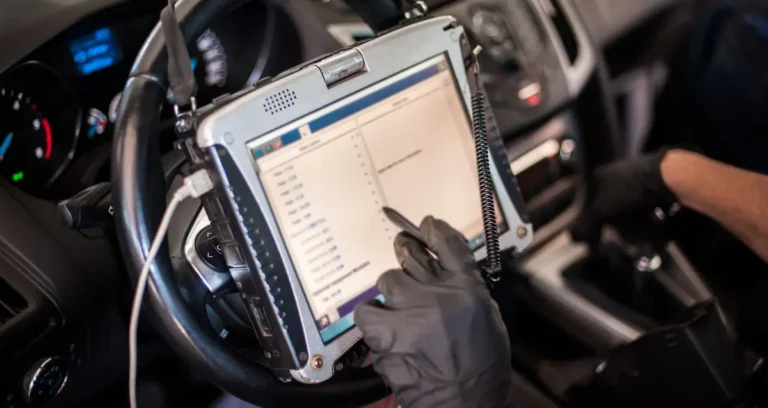
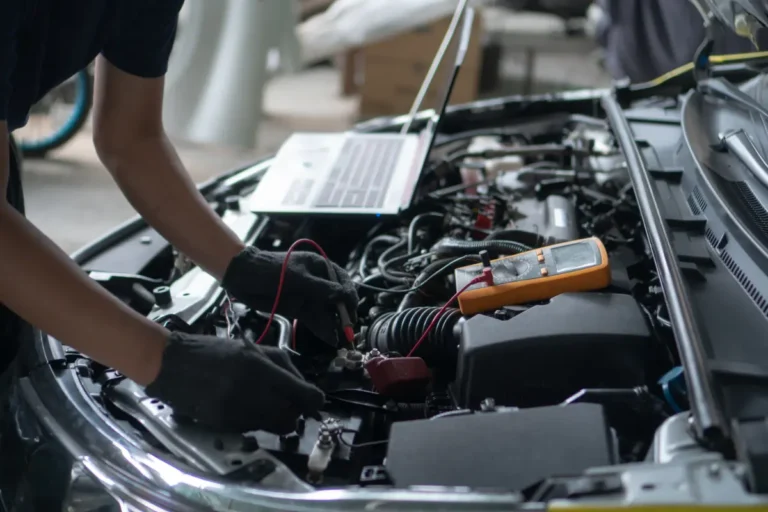
Once help arrives, though, there will usually be some time spent trying to determine whether or not the vehicle needs to be towed or whether it can be repaired on-site. Sometimes a repair person arrives on the scene—these people exist too!—but often the heaviness of the situation requires not only an actual repair facility but one with specialized heavy-duty equipment.
Deciding whether or not to tow a broken-down truck can actually be relatively complicated. The costs of towing and repair will have to be weighed against how serious the breakdown actually was. It’s also a question of timing. If the truck is carrying time-sensitive cargo, for example, getting it back on the road may be more important than saving money on fees.
This decision takes place over multiple phone calls and conversations between drivers and their respective companies. This may involve fleet managers or commercial vehicle companies that may even have their own repair shops. Drivers may also have to call for help from other departments within the company and cost may include insurance in this instance.
Handling Dependencies and Conditions
Sometimes this involves attempting to find another truck that can carry whatever’s still needed after the breakdown occurs. In other cases, it might involve having another vehicle tow the cargo while the damaged vehicle can be repaired.
Commercial vehicle breakdowns are complicated in other ways as well—and it’s not just mechanical in nature. They can be regulatory too. The drivers behind these vehicles have hours-of-service regulations that limit how many hours they can be behind the wheel in any given period of time.
This means that even if the vehicle is eventually repaired may not guarantee that the same driver can finish their journey. If it takes too long to repair the breakdown, for example, the driver legally may not have enough time left on their driving hours logbooks to make it to their destination point.
Regulatory concerns may also include inspections depending on various regulations that differ from state to state.
Additionally, other breakdowns might lead to various happenings that may trigger legally mandated inspections as well.
The Business Side That Nobody Sees
What people see when they pass by a road where a commercial vehicle has broken down is one thing; behind-the-scenes implications are another thing altogether. When someone sees an enormous truck stuck on the side of the road, they don’t usually think about how much this hurts or impacts or has implications for an entire business.
Once cargo gets spoiled inside one of these commercial trucks, for example, someone has implications for lost customers and dollar amounts even before they’ve finished completing their paperwork with tow services. The business loses money immediately after commodities break down.
Fleet managers pay attention to every breaking down incident involving trucks. Patterns may often indicate that it’s time for the company to retire certain trucks from service. This can help them determine what kind of loads might be too risky for some of these types of commercial vehicles.
Regulatory issues also affect factors such as permitting according to past records showing repairs made on certain trucks over months and years.
Getting Back on Track
Once the truck has been repaired, everything will depend on how serious the issue was that caused the breakdown in the first place. Minor repairs might have them back out within hours while serious issues may take weeks to address.
Worst case scenarios may involve assessing whether or not some repairs even make sense at all based on how much they cost in relation to value.
There may also be implications afterwards regarding messages sent both inside and outside the company involved. The person who has handled everything will need to coordinate messages with all affected parties.
Up ahead lies maybe more headaches for others trying their best at adjusting their schedules but sometimes also trying not to lose customers over broken-down commodities in transit.
When these devices break down, it’s not just a simple mechanical issue but something affecting everyone from shipping companies to everyday drivers slowed down behind regulatory snafus.
Further Reading