Comprehensive Car Maintenance Guide for a Trouble-Free Drive
A well-maintained car runs smoothly and lasts much longer. Regular check and car maintenance helps prevent expensive repairs in the future. Do you know how to keep your car in great shape?
Simple maintenance steps can improve safety and fuel efficiency. This guide covers the most important car care tips. You will learn how to check fluids, tires, and brakes.
We will also discuss seasonal maintenance and emergency preparedness. Follow these tips for a trouble-free and enjoyable drive.
Checking and Changing Engine Oil
Engine oil keeps your car running smoothly and prevents damage. It reduces friction and protects engine parts from overheating. Check the oil level regularly using the dipstick under the hood.
If the oil is dark and dirty, it is time for a change. Most cars need an oil change every 3,000 to 5,000 miles. Always use the oil type recommended in your car’s manual.
Skipping oil changes can cause engine wear and breakdowns. Keep track of your oil changes with a simple log. Regular maintenance will extend the life of your engine.
Inspecting and Replacing Air Filters
Air filters stop dirt and debris from entering the engine. A dirty air filter can lower fuel efficiency and affect performance. Check the air filter every 12,000 to 15,000 miles.
If it looks dark or clogged, replace it with a new one. A clean air filter allows the engine to breathe properly. It also improves acceleration and overall efficiency.
Some filters can be cleaned and reused, but most need replacement. Read your car manual to find the right filter type.
Changing the air filter is simple and takes only a few minutes. Regular replacement helps maintain engine power and fuel economy.
Maintaining Proper Tire Pressure and Alignment
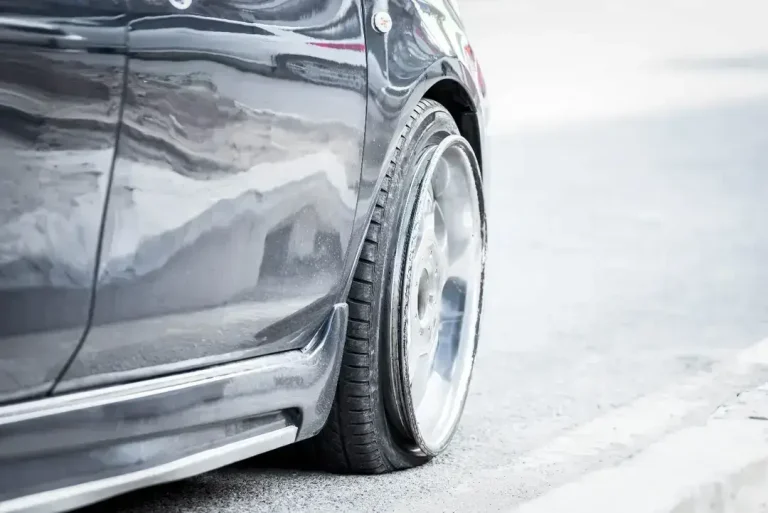
Proper tire pressure improves safety and fuel efficiency. Low pressure can cause uneven wear and reduce traction. Check the pressure with a gauge at least once a month.
Inflate tires to the recommended level found in the car manual. Rotate your tires every 5,000 to 7,500 miles for even wear. Misaligned wheels can pull the car to one side.
Have the alignment checked if you notice uneven tire wear. Proper alignment helps prevent steering problems and extends tire life. Regular tire maintenance ensures a smooth and safe ride.
Understanding the Importance of Brake Maintenance
Brakes are essential for safety and stopping power. Squeaking, grinding, or slow braking means they need attention. Check brake pads and rotors regularly for signs of wear.
Most brake pads should be replaced every 25,000 to 50,000 miles. Low brake fluid can also affect performance. Check the fluid level and top it off if needed.
Visit a mechanic if you notice vibrations when braking. Ignoring brake problems can lead to serious accidents. Keeping brakes in good condition protects you and your passengers.
Keeping Battery in Good Condition
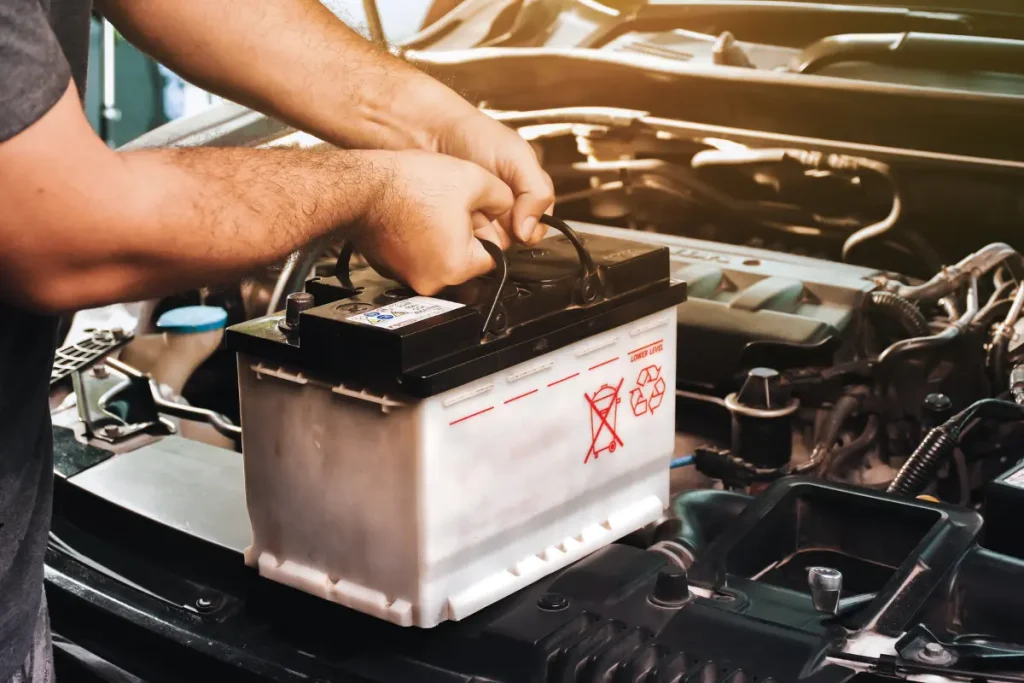
A weak battery can leave you stranded on the road. Check the battery terminals for dirt and corrosion. Clean them with baking soda and a wire brush if needed.
Test the battery voltage every few months to ensure proper function. If your car struggles to start, the battery might be weak. Most batteries last between three to five years.
Replace it if you notice dim headlights or slow engine cranking. In cold weather, weak batteries can fail unexpectedly. Always keep jumper cables in your car for emergencies.
Regular Coolant and Radiator Checks
Coolant prevents the engine from overheating and freezing. Low coolant levels can cause serious engine damage. Check the coolant reservoir regularly and top it off if needed.
The radiator should also be free of leaks and debris. Flush and replace coolant every 30,000 to 50,000 miles. Overheating can happen if the coolant is old or dirty.
Watch for warning lights or rising temperature gauges. A well-maintained cooling system prevents costly engine repairs. Keeping the radiator clean ensures proper heat regulation.
Seasonal Maintenance for Extreme Weather Conditions
Different seasons require different car maintenance steps. In winter, check the antifreeze level to prevent freezing. Use winter tires for better grip on icy roads.
In summer, make sure the air conditioning system works properly. Hot weather can cause tire blowouts, so check tire pressure often. Rainy seasons require good wipers for clear visibility.
Replace worn-out wiper blades to ensure safe driving. Always check your battery before extreme weather changes. Preparing your car for the season improves safety and comfort.
Keeping Your Vehicle Reliable With Routine Care
Regular maintenance ensures your car stays dependable for years. Following the manufacturer’s service schedule prevents unexpected breakdowns. Routine oil changes, tire rotations, and brake checks keep your car in top condition.
A well-maintained vehicle delivers smoother rides and better fuel efficiency. Keeping engine fluids at proper levels prevents overheating and damage. Always use high-quality parts for long-lasting performance.
Visiting a certified service center ensures expert care. If you drive a Chevy, following recommended Chevy maintenance guidelines helps maintain reliability. Taking care of minor issues early prevents bigger problems later.
Essential Emergency Kit for Unexpected Situations
A car emergency kit can be a lifesaver during breakdowns. Always keep jumper cables, a flashlight, and a first-aid kit. A spare tire, jack, and tire iron are also important.
Pack extra coolant, motor oil, and windshield washer fluid. Include a multi-tool and duct tape for quick fixes. Reflective triangles and a warning light increase visibility.
Carry bottled water and snacks in case of long waits. A phone charger ensures you can call for help. Being prepared helps you stay safe during unexpected situations.
The Importance of Regular Professional Inspections
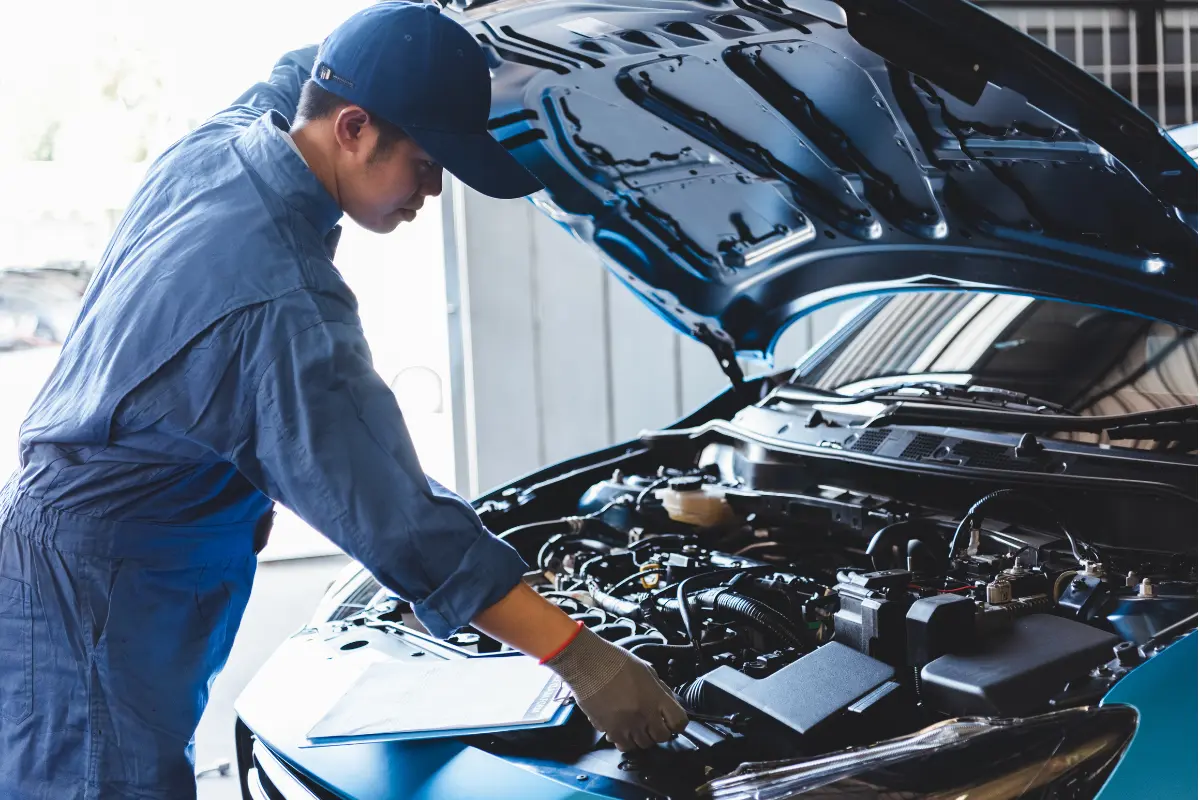
Routine inspections by a mechanic help catch problems early. Professionals can detect worn-out parts before they fail. Regular check-ups include brake testing, tire inspection, and battery checks.
Mechanics also check belts, hoses, and exhaust systems for damage. A complete inspection ensures your car meets safety standards. Some issues are not visible to an untrained eye.
Early detection prevents major repairs and saves money. Professional maintenance keeps your car reliable and running longer.
Consider This Car Maintenance Guide for a Trouble-Free Drive
Car maintenance keeps your vehicle safe, reliable, and efficient. Simple tasks like checking oil, brakes, and tires prevent breakdowns. Seasonal care ensures your car handles different weather conditions.
Following the manufacturer’s maintenance schedule extends the life of your vehicle. Emergency kits and professional inspections provide extra security on the road.
A well-maintained car improves fuel economy and saves repair costs. Small efforts now prevent expensive repairs later.
Did you find this article helpful? If so, check out the rest of our site for more informative content.