The Ultimate Guide to Trailer Kits: Everything You Need to Know Before You Buy
Whether you’re hauling tools for work, transporting gear for weekend getaways, or simply need a reliable way to move heavy loads, a trailer can be a game-changer. But instead of buying a pre-built trailer, many people are turning to trailer kits. Why? Because they offer flexibility, cost savings, and the satisfaction of building something tailored to your needs. A good trailer kit gives you all the essential components, letting you assemble a durable, road-ready trailer without the hassle of custom fabrication.
If you’re considering one, this guide will walk you through the key details—what to look for, the benefits, and what makes trailer kits such a great option.
What’s Included in a Trailer Kit?
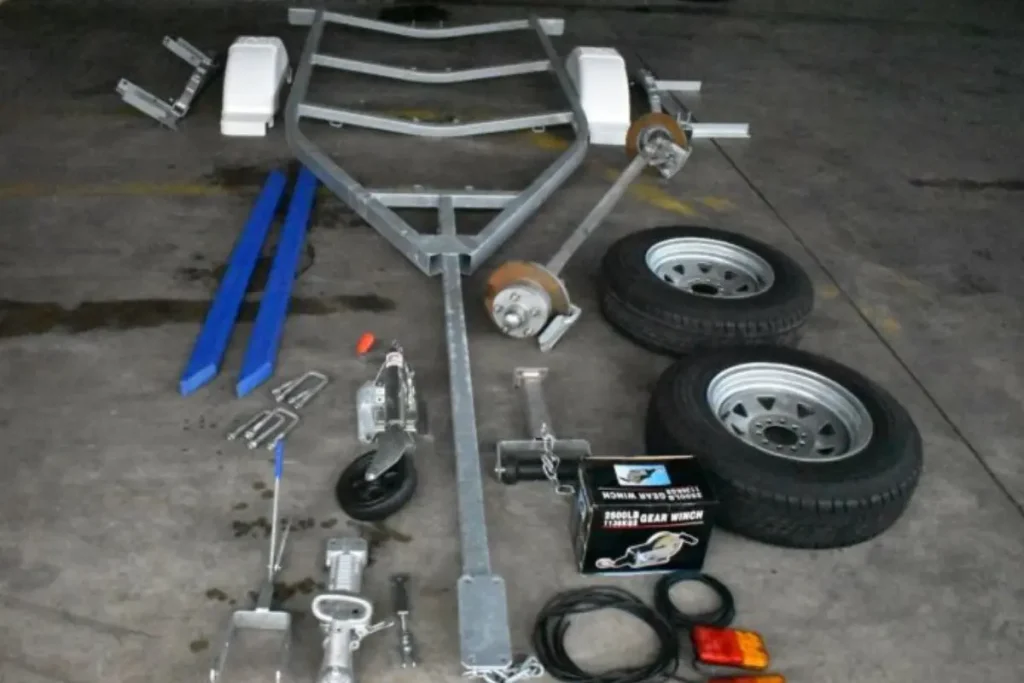
Trailer kits come with the fundamental parts you need to assemble a functioning trailer. The specifics can vary depending on the size and type of trailer you choose, but most kits will include:
- Frame components – Pre-cut metal sections that form the structure of your trailer.
- Axles and suspension – These determine the load capacity and how smoothly your trailer rides.
- Wheels and tyres – Roadworthy tyres suited to the weight and purpose of your trailer.
- Hitch and coupling – The mechanism that connects your trailer securely to your vehicle.
- Brakes and lights – Essential for road legality and safety, ensuring your trailer is visible and easy to control.
- Fasteners and assembly hardware – Nuts, bolts, and brackets to hold everything together.
Some kits may also include mudguards, toolboxes, and tie-down points, while others allow you to customise these elements based on your needs.
The Benefits of Choosing a Trailer Kit
So, why would you build a trailer instead of buying one ready to go? Simple: control, flexibility, and cost-effectiveness.
- Save Money – Trailer kits are often cheaper than buying a fully assembled trailer because you’re not paying for labour.
- Customisation – You can modify the kit to suit your exact needs, whether that’s adding extra storage, different tyres, or a specific type of suspension.
- DIY Satisfaction – If you enjoy working with your hands, assembling a trailer can be a rewarding project.
- Easier Transport and Storage – Kits arrive in a compact form, meaning you don’t need a massive space to store or transport them before assembly.

Types of Trailer Kits Available
Not all trailer kits are the same, and picking the right one depends on what you plan to use it for. Here’s a breakdown of some of the most common types:
Utility Trailer Kits
These are general-purpose trailers designed for transporting tools, equipment, or small loads. They’re great for landscapers, contractors, and anyone who needs a versatile trailer for work or home use.
Box Trailer Kits
Box trailers come with higher side panels, making them perfect for carrying loose materials like soil, mulch, or rubbish. They’re ideal for gardening, construction, or even moving house.
Camper Trailer Kits
If you love the outdoors, a camper trailer kit can be a fantastic option. These allow you to build your own camping setup, with storage compartments and space for tents or sleeping quarters.
Boat and Jet Ski Trailer Kits
Designed to transport watercraft, these kits come with specialised components like rollers and winches to make launching and retrieving boats easier.
Car and Bike Trailer Kits
These are built for hauling motorcycles, ATVs, or even small cars. They typically include ramps and tie-down points for securing your load safely.
What to Look for When Buying a Trailer Kit
Not all trailer kits are created equal, so it’s worth paying attention to a few key factors before making a purchase.
- Load Capacity – Think about what you’ll be transporting. Overloading a trailer that’s not built for heavy loads can lead to serious safety risks.
- Frame Material – Steel frames offer strength and durability, while aluminium is lightweight and resistant to rust.
- Suspension Type – Leaf spring suspension is common and handles heavy loads well, while independent suspension provides a smoother ride.
- Legal Requirements – Check the road regulations in your area. You may need to register your trailer and ensure it meets specific lighting and braking standards.
- Ease of Assembly – Some kits come with pre-welded components, while others require more hands-on work. Consider your skills and tools before choosing a kit.
Tips for Assembling Your Trailer Kit
Building your trailer should be a straightforward process if you follow the instructions, but a few extra tips can help things go smoothly:
Have the right tools
You’ll likely need wrenches, a drill, and possibly a welder if your kit requires welding.
Work on a level surface
Ensuring your frame is perfectly level before assembly will save you from alignment issues down the track.
Tighten everything properly
Loose bolts can cause rattling and instability, so double-check all fasteners before hitting the road.
Test your lights and brakes
Before towing, make sure all electrical components work correctly. This is essential for safety and legal compliance.
Customising Your Trailer After Assembly
One of the best things about trailer kits is that you can easily add extras to suit your specific needs. Here are a few popular upgrades:
- Storage boxes – Great for tools, spare parts, or camping gear.
- Electric winches – Useful for boat trailers or loading heavy items.
- Extra tie-down points – Keeps your cargo secure, especially if you’re transporting loose items.
- Upgraded suspension – If you’re using your trailer on rough terrain, better suspension can make a huge difference.
Is a Trailer Kit Right for You?
If you’re after an affordable, flexible, and customisable way to own a trailer, a trailer kit is definitely worth considering. It gives you full control over the build process, allowing you to create something that perfectly suits your needs. Plus, assembling it yourself can be a rewarding project, whether you’re an experienced DIYer or just looking to learn a new skill.
Your Trailer, Your Way
Trailer kits provide the perfect balance between affordability and customisation. Instead of settling for a one-size-fits-all option, you get to build something that works exactly how you want it to. Whether you need a heavy-duty work trailer, a weekend camping companion, or a reliable way to transport equipment, there’s a trailer kit that fits the job. With the right kit, a bit of effort, and some attention to detail, you’ll have a reliable, road-ready trailer built to last.