
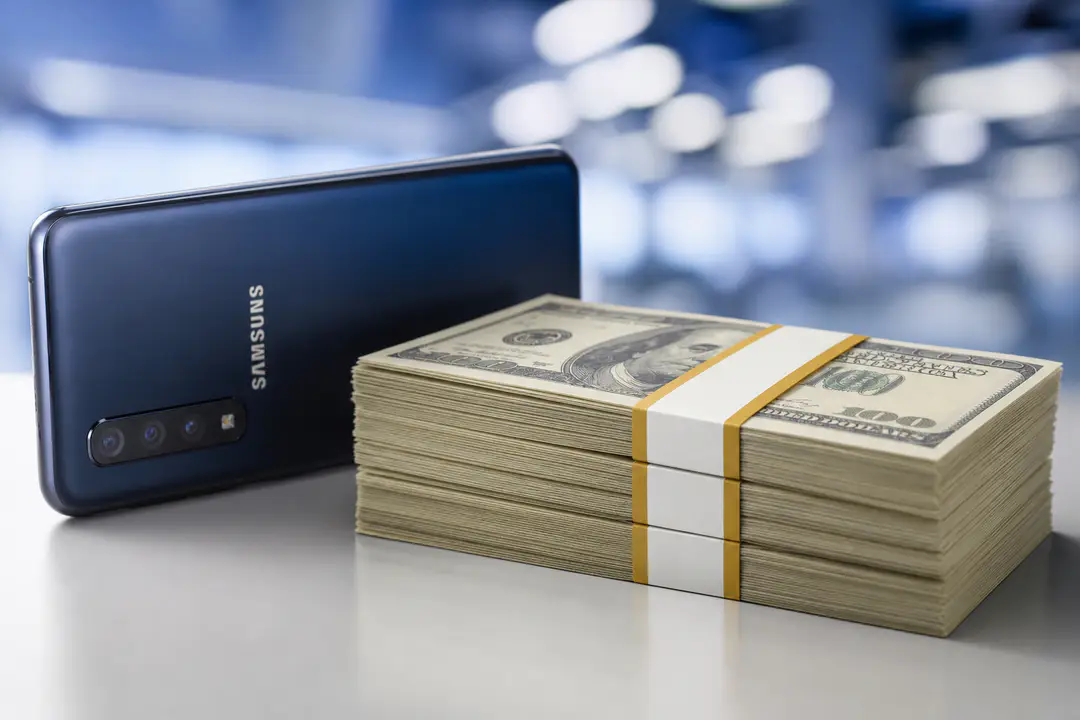
Samsung Workers to Take Home $340,000 Bonus
Samsung Electronics Co. agreed this week in South Korea to give chip workers an average bonus of 513 million won, or about $340,000, after a last-minute deal with labor unions averted a strike at its semiconductors division. The payout is tied to surging operating profit from the AI boom and covers a workforce of 78,000 people, making it one of the largest employee compensation agreements in the chip industry.
What Samsung Agreed to Pay
The agreement was reached just 90 minutes before a planned walkout at the world’s largest memory chipmaker. Union members later approved the deal with 74% support, ending a five-month labor dispute that had raised concerns about supply disruption and a wider strike across Samsung’s chip operations.
Under the deal, Samsung will distribute about 40 trillion won in bonus compensation to chip employees for this year, based on projected 2026 operating profit. Workers in the semiconductors division stand to receive 513 million won on average, though the final amount varies by business unit and role.
The package was designed to avert a strike that unions had planned to launch with as many as 48,000 workers over 18 days. Samsung’s labor unions had pushed for a bigger share of profit-sharing as earnings in memory chips climbed sharply on demand tied to AI servers and high-bandwidth memory.
- Average bonus: 513 million won per chip employee
- Total payout pool: 40 trillion won
- Semiconductors division workforce: 78,000 employees
- Union approval rate: 74%
Why the Payout Is So Large
The core reason is profit growth in Samsung’s memory business during the AI boom. Demand for AI infrastructure has lifted pricing and shipments for advanced memory, helping turn semiconductors into Samsung’s most important earnings engine again after a weaker cycle.
The agreement gives chip workers a fixed share of semiconductor operating profit, a rare move in South Korea. Samsung accepted a structure that allocates 10.5% of semiconductor operating profit to special bonuses, with an additional 1.5% paid in cash, after unions initially sought 15%.
Some workers in the memory chip business are set to receive even larger payouts than the division average, with total bonuses reaching $416,000. That reflects the gap between the memory unit, which benefited most from the AI-driven upswing, and weaker parts of Samsung’s broader chip portfolio.
The labor dispute also unfolded as Samsung faced pressure to narrow a bonus gap with domestic rival SK Hynix, whose own AI-linked chip profits have climbed. Labor leaders argued Samsung chip workers should share more directly in the returns they helped generate.
- The formula links pay directly to operating profit
- The arrangement runs for 10 years if profit targets are met
- One-third of stock-based compensation can be sold immediately
- Remaining shares can be sold in installments over two years
Context
This marks a turning point in Samsung’s labor relations. The company spent decades resisting organized labor, but its unions have gained influence as younger employees pressed harder on pay, working conditions, and transparency in performance compensation.
The latest fight centered on profit-sharing in the semiconductors division, where workers said the existing system no longer matched the scale of earnings generated by the AI boom. The dispute grew more urgent as Samsung tried to retain talent in memory chips, where strong compensation at rival firms had become a recruitment threat.
Samsung’s agreement is also unusual because it ties bonuses to operating profit rather than after-tax earnings. That breaks with a longstanding corporate norm and has already stirred debate among business groups, investors, and legal specialists over whether labor unions at other major companies will demand similar treatment.
The broader backdrop is a South Korean economy in which Samsung carries outsized weight. The company accounts for a large share of exports, so any prolonged strike in chips would have reached far beyond employee compensation and into manufacturing, trade, and global semiconductor supply chains. Debate over the company’s labor strategy also comes as other sectors track union disputes in tech more closely.
How the Deal Compares With Last Year
The new agreement represents a clear jump from earlier bonus structures because it removes a cap that had limited special bonuses linked to unit performance to 50% of salary. For workers in the most profitable memory businesses, the change sharply lifts total employee compensation and gives them a more direct claim on future profit growth.
That matters because Samsung’s projected 2026 operating profit in semiconductors has increased dramatically as AI chip demand reshaped the memory market. In practical terms, the current formula produces payouts that far exceed standard annual incentives in most industrial sectors and even many technology companies.
Samsung shares rose as much as 8% in Seoul after the vote, showing investor relief that a strike had been avoided. The market reaction suggested that stability in the chip business outweighed immediate concern about the scale of the bonus commitment.
| Metric | Figure |
|---|---|
| Total bonus pool | 40 trillion won |
| Average bonus | 513 million won |
| Average bonus in U.S. dollars | $340,000 |
| Employees in semiconductors division | 78,000 |
| Special bonus share of operating profit | 10.5% |
| Additional cash component | 1.5% |
Industry Effects
For Samsung, the immediate impact is operational stability. Avoiding a strike removes the risk of production disruption at a moment when chip demand is closely tied to data-center buildouts, AI accelerator supply, and memory pricing. The company also gains time to address deeper internal divisions between high-earning memory workers and employees in weaker business lines.
For labor unions, the deal is a precedent. It is only the second time a major South Korean company has agreed in writing to link worker bonuses to a fixed percentage of operating profit, and that raises the odds of similar demands spreading to other industrial groups.
For investors, the picture is more mixed. Averting a strike protects near-term revenue and customer confidence, but a large profit-sharing commitment reduces the cash available for other uses and opens questions about governance, shareholder rights, and future compensation expectations. Wider discussion about AI’s economic effects has also expanded beyond chips into sectors covered in AI device trends and business growth strategy.
- Samsung avoids a strike that threatened chip supply
- Workers secure a richer profit-sharing formula
- Other unions may seek similar operating profit links
- Shareholders face a new debate over payout priorities
The deal also highlights a tension inside the semiconductor industry: AI has created extraordinary profits, but those gains are not distributed evenly. Memory chip teams tied to AI server demand have become the main winners, while foundry and consumer electronics employees remain on very different pay tracks. That gap is likely to remain a labor issue for Samsung even after this agreement.
What Happens Next
The next milestone is implementation of the payout structure and the eventual distribution of bonuses, which are expected in early 2027 if the agreed operating profit targets are met. Attention will also turn to whether Samsung can keep labor peace across the rest of the group after this high-profile settlement.
Investors and industry officials will watch for two things: whether other major South Korean unions push for similar profit-sharing models, and whether Samsung’s chip profitability holds up long enough to sustain a 10-year framework. Any shift in AI demand, memory pricing, or legal scrutiny over the arrangement would shape the next round of negotiations.
The Bottom Line
Samsung’s last-minute labor deal did more than stop a strike. It reset the terms of pay in the country’s most important chip business, tying worker rewards directly to AI-driven operating profit and giving Samsung chip workers one of the richest bonus packages in the industry.