

How Do I Maintain My Offroading Vehicle?
Off-roading puts your vehicle through mud, water, rocks, and rough terrain, all of which can accelerate wear and tear. You may hear strange sounds, decreased performance, or sudden failures just when you need reliability the most.
In addition, continuous interaction with severe conditions may loosen the parts, ruin the seals, and put critical systems under long-term strain. Due to this, maintenance is not only important but essential.
Nevertheless, it may be difficult to know what to check and when to take action without a definite plan. Having a clear idea about what to do prior to, during and after every off-road trip ensures that your investment is safe. This article discusses how to maintain your off-roading car in a practical step-by-step approach to make it durable and functional.
1. Begin With Exterior and Load Setup Checks
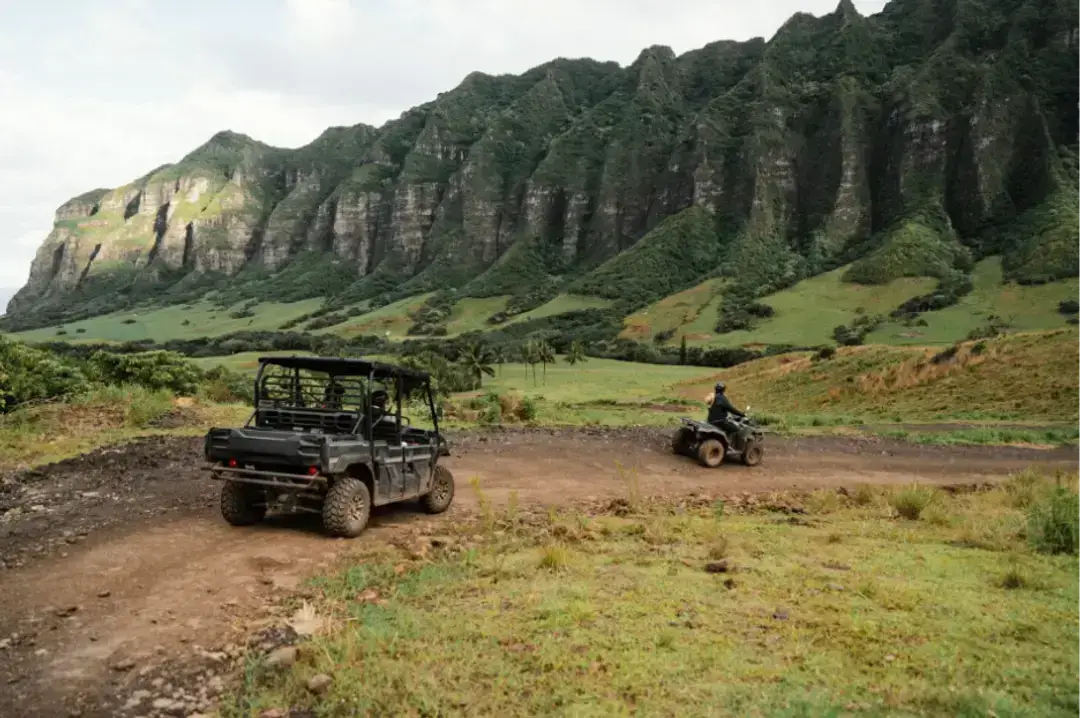
It is advisable to start with an exterior inspection before going off-road. In case you carry accessories such as a Jeep JLU roof rack, make sure it is firmly fixed and that it is evenly loaded. Uneven weight distribution can affect balance and handling on rough ground.
Also, inspect loose bolts, cracks, or rust on mounting points. Then check the doors, hinges, and seals since dust and water usually get into the weak areas.
This way, you minimize the risks of structural damage. More importantly, you enhance general safety when making difficult drives.
2. Maintain Tires and Suspension System
The greatest impact during off-roading is on tires and suspension. Thus, it is necessary to regularly check them. Begin by checking the tire pressure prior to and after every trip. Lower tire pressure can improve traction on rough terrain, and it should be replenished later to allow regular driving.
Next, look for cuts, punctures, or uneven wear patterns. The signs are usually indicative of alignment or suspension problems. Meanwhile, check shocks and struts to see whether they leak or are less responsive.
Also, remove mud and debris trapped around the suspension. This avoids long-run deterioration and maintains a smooth operation. Regular focus in this regard enhances direct control in vehicles and comfort in riding.
3. Protect the Undercarriage and Critical Components

Off-road terrain subjects the undercarriage to rocks, water, and debris. Owing to this, periodic inspection is essential. “Inspect the undercarriage after every trip for dents, scratches, or fluid leaks.
Moreover, skid plates, axles, and the exhaust system should also be carefully observed. Even small damages can get out of hand. Underbody cleaning also prevents corrosion due to the presence of trapped moisture and dirt.
In addition, make sure that brake lines and fuel lines are not damaged. These elements play a crucial role in safety, and hence, the detection of problems early will help avoid severe failures in the future.
4. Check Fluid and Engine Condition
Offroading puts extra stress on the engine, making fluid checks more important than usual. Begin with checking engine oil, coolant, transmission fluid and brake fluid on a regular basis. Dirty or low fluids might cause overheating or decreased performance.
Simultaneously, regularly check the air filter. Scrubby conditions foul filters sooner, which inhibits air flow and decreases engine performance. When a replacement is needed, it maintains a smooth-running engine.
Also, pay attention to abnormal sounds and check the temperature during drives. Early signs tend to portend a problem. The timely approach to them guarantees their long-term reliability.
5. Clean Thoroughly After Every Trip

Cleaning might seem basic, yet it plays a major role in maintenance. After each off-road session, wash your vehicle thoroughly to remove mud, sand, and debris. These elements can cause corrosion and wear if left unchecked.
Focus especially on wheel wells, suspension parts, and the undercarriage. At the same time, clean interior areas if dust or water has entered.
Moreover, drying the vehicle properly prevents moisture buildup. This simple routine not only preserves the vehicle’s condition but also makes it easier to spot potential problems during inspections before they turn into costly repairs.
6. Check Electrical Systems and Recovery Gear
Off-roading often involves water crossings and rough vibrations, which can affect electrical systems. Therefore, inspect battery connections, wiring, and lights regularly. Loose or damaged wires can lead to unexpected failures.
In addition, test recovery gear such as winches, tow straps, and lights before every trip. Reliable equipment becomes essential during emergencies.
By maintaining these systems, you ensure that your vehicle remains prepared for unpredictable situations. This adds an extra layer of safety and confidence during your adventures in remote and challenging offroad environments.
Bringing it All Together
Maintaining your off-roading vehicle requires a proactive and consistent approach rather than occasional checks. By focusing on key areas such as exterior setup, tires, undercarriage protection, engine health, and post trip cleaning, you create a strong maintenance routine that supports both performance and safety.
Moreover, paying attention to small details like fluid levels and electrical systems helps prevent costly repairs later. As a result, your vehicle remains reliable across different terrains and conditions.
When you treat maintenance as part of the off-roading experience, you not only extend the life of your vehicle but also enhance every journey with greater confidence, control, and long term durability in even the toughest offroad driving scenarios.
Further Reading