
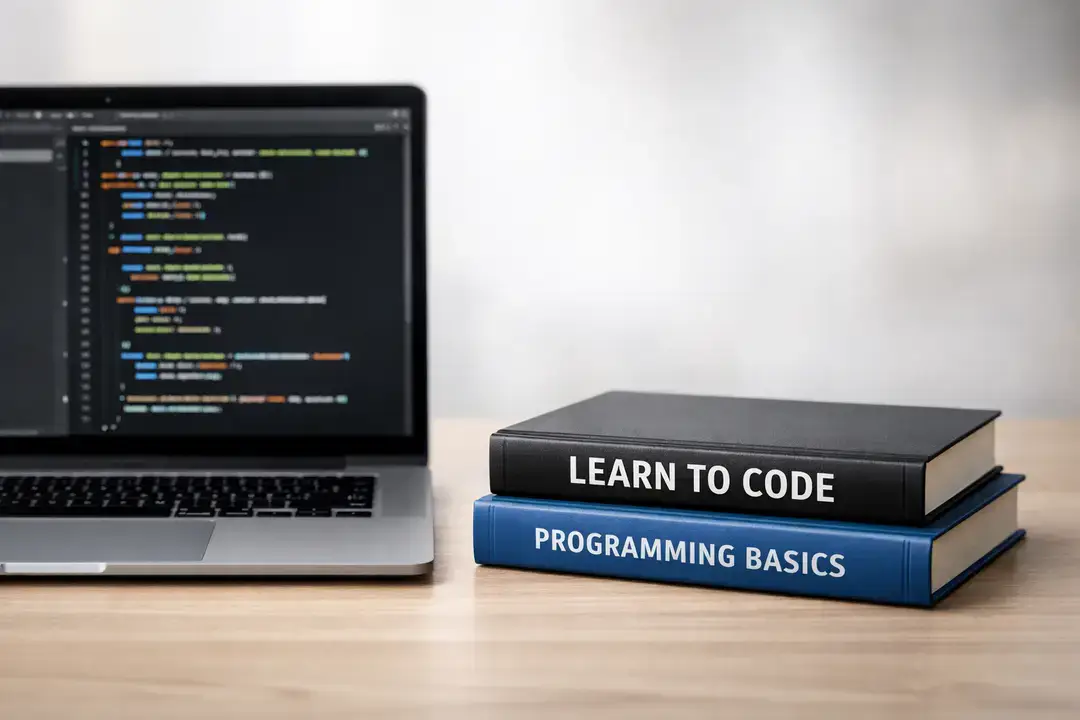
No CS Degree? No Problem: A Human Guide to Breaking Into Tech
The tech industry often feels like a gated community. For a long time, the gatekeeper was a very specific piece of paper: the Computer Science degree. If you didn’t spend four years studying algorithms, discrete math, and compiler design, the door felt locked. But the landscape is shifting. Companies are starting to realize that the ability to build things and solve problems matters more than where you learned to do it. Honestly, it’s about time.
Breaking into tech without a traditional background isn’t just possible. It’s happening every day. I’ve seen it happen for people who started with nothing but a cheap laptop and a lot of caffeine.
The Shift Toward Skills Over Pedigree
We’re living in an era where information is democratized. The same curriculum taught at elite universities is often available online for a fraction of the cost or even for free. Because of this, the stigma around being self-taught is fading. Hiring managers are becoming more pragmatic. They want to know if you can write clean code, manage a project, or design a user interface that actually works.
But why does this matter for you specifically?
Maybe you feel like you’re starting from zero. I get it. This shift is great news for career changers. Whether you’re coming from retail, teaching, or healthcare, you bring a unique perspective that a lifelong tech student might lack. These are called transferable skills. A former teacher might be incredible at technical documentation because they know how to explain complex ideas. A retail manager might excel at product management because they understand customer psychology. Tech needs these different viewpoints to build better products. It needs your “non-tech” brain.
Building Your Technical Foundation
Even without a degree, you still need the knowledge. You can’t skip the hard work of learning the fundamentals. You know, those late nights staring at a screen until the syntax finally clicks. The key is to be intentional about your path. Instead of trying to learn everything at once, pick a specific lane. Are you interested in front-end development, data analysis, or cybersecurity?
And that choice changes everything about how you study.
Once you choose a path, lean into the wealth of available resources. Coding bootcamps are a popular choice for those who want structure and speed. They offer an intensive environment that mimics a real job. If you prefer a slower pace, self-studying through online platforms allows you to keep your current job while you transition. The goal is to build a portfolio of work that proves your competence. A repository full of real projects speaks louder than a diploma ever could.
It’s about the work. Not the paper.
Translation of Your Past Experience
One of the biggest hurdles is the resume. When you don’t have a relevant degree, your resume has to work twice as hard to tell your story. You have to translate your previous experience into tech speak. If you managed a team, you were practicing agile leadership. If you optimized a workflow, you were improving system architecture.
So, how do you actually present this to a recruiter?
To help with this transition, using a free resume template designed for career changers can be a lifesaver. These templates often focus on skills and projects rather than just chronological work history. This allows you to highlight your recent certifications and the personal projects you’ve completed. It frames your journey as a deliberate evolution rather than a random pivot. I guess what I’m saying is, don’t let a bad layout hide your talent.
Networking and the Hidden Job Market
Many tech jobs are never even posted on public boards. They’re filled through referrals and networking. This can feel intimidating if you don’t know anyone in the industry, but the tech community is surprisingly open. Attend local meetups, join online communities, and engage with people on professional social networks.
When you reach out to people, don’t just ask for a job. Ask for advice or a twenty-minute coffee chat to learn about their journey. Most people are happy to share what they’ve learned.
These connections are often the shortcut you’ve been looking for.
And that’s the point. These connections often lead to internal referrals, which are the golden ticket to getting your resume seen by a human instead of a filter. Have you ever wondered how many great candidates get missed simply because they didn’t know someone on the inside? It’s a bit frustrating, but it’s the reality of the game.
Overcoming Imposter Syndrome
The psychological battle is often harder than the technical one. You’ll likely feel like an outsider for a while. You might worry that you’ll be “found out” or that your lack of a degree makes you less capable. This is imposter syndrome, and even people with doctorates in computer science feel it. You know, that feeling of the hum of the laptop at midnight while you wonder if you’re just wasting your time.
The tech world moves so fast that everyone is constantly learning. In five years, today’s popular tools might be obsolete. This means everyone is always a student. Your ability to learn quickly and adapt is actually your greatest asset. If you can prove that you’re a lifelong learner, you’re exactly what tech companies are looking for. Maybe you’re more ready than you think.
The Path Forward
Breaking into tech is a marathon, not a sprint. It requires patience, consistency, and a thick skin for rejection. There’ll be days when the code doesn’t work, and the job applications go unanswered. But the reward is a career that offers flexibility, high earning potential, and the chance to build things that impact thousands of people.
Start by mapping out your learning path today. Look for that free resume template to start restructuring your story. Build one small thing every week. Before you know it, that gate that seemed so tightly locked will swing wide open.
Further Reading