
The Journey of Postal Mail: From Post Office to Doorstep
Have you ever wondered what happens to your mail after you send it? What does the journey look like once you drop a letter in the mailbox or give it to a postal worker?
Learning about how mail travels can help you see how important this service is. In this blog, we’ll look at each step your mail goes through. You’ll learn how letters and packages get from you to the right person.
Every step in the process helps make sure your mail gets where it needs to go.
Drop-off at the Post Office
The journey of postal mail begins at your local post office. Once you hand over your letter, it enters a system designed to sort mail efficiently.
Each piece of mail is stamped with a date and time, marking its into the postal system. If you’ve ever sent a letter before, you know the anticipation that follows-wondering how long it will take to reach its final destination.
Collection and Initial Sorting
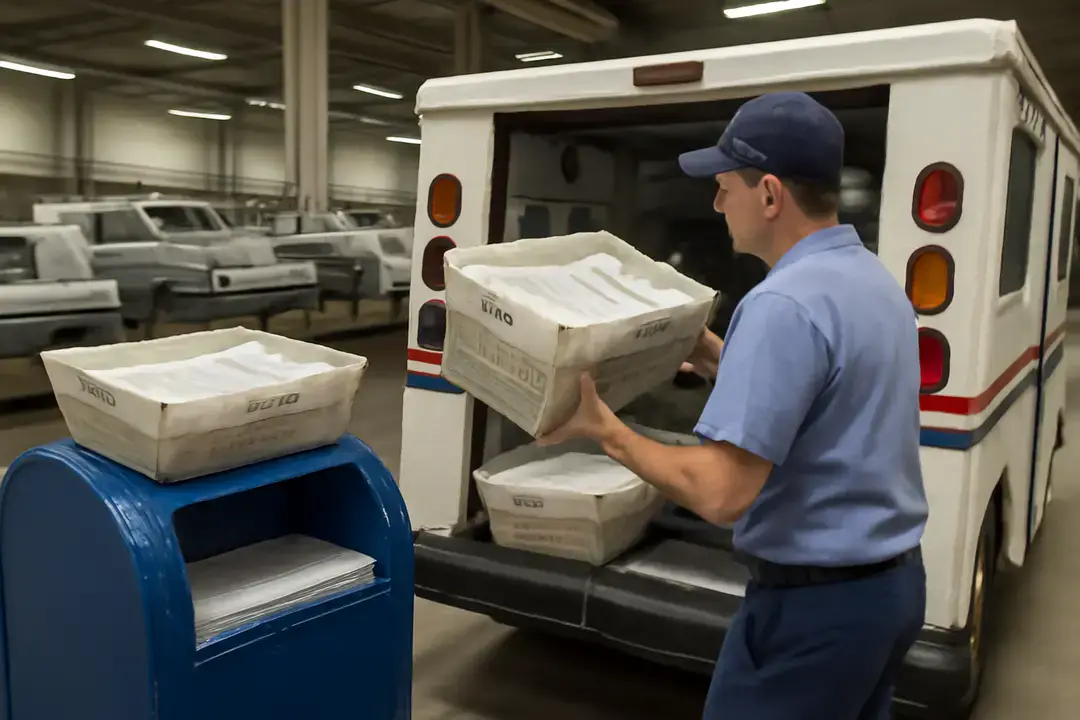
After drop-off, postal mail is collected multiple times a day by postal workers. They gather letters from drop boxes and the post office itself, loading them into delivery vehicles.
Once at the processing center, the first round of sorting begins. High-speed machines scan each piece of mail, reading the addresses and sorting them accordingly. This automated process significantly speeds up delivery times.
Routing the Mail
After a letter or package is collected, it doesn’t go straight to its destination. Instead, it is sent to a central processing center. Here, machines and workers sort the mail based on where it needs to go. Each piece is tagged with a barcode and QR code associated with its destination.
This barcode not only contains information about where the mail should go but also enables tracking. Then, it is routed-meaning it’s sent on the best path to reach its final stop.
This could involve trucks, planes, or even boats. Proper routing helps avoid delays and makes sure the mail gets delivered faster and more accurately. Without this step, mail could easily get lost or sent to the wrong place.
Transportation
Depending on the distance to the delivery point, postal mail may travel via truck, plane, or ship. For long distances, planes are often used, while shorter routes typically rely on trucks.
The mail goes through a series of hubs, where it is transferred from one vehicle to another until it reaches a processing center near its final destination. At every hub, postal employees verify that the mail is correctly handled and transported, maintaining high standards and efficiency.
Arrival at Local Processing Center
After being collected from a mailbox or post office, the mail is brought to this center. Here, the sorting process begins. Large machines scan the address on each letter or package to figure out where it needs to go. The items are then grouped by destination-some for local delivery, others for long-distance travel.
This step is important because it helps organize and speed up the delivery process. Without the local processing center, mail would be harder to manage and delays could happen. It’s a behind-the-scenes part of the system that helps your mail get to the right place, on time.
Final Delivery Preparation
Once sorted, postal mail is placed into delivery bins sorted by individual mail carriers. Each mail carrier has a predetermined route, ensuring they can deliver efficiently.
This preparation stage is crucial in ensuring that all items are organized chronologically and appropriately packaged. If you’ve ever wondered how long does certified mail take, it’s during this stage that you might start to see the approximate timeframe for delivery based on local postal service guidelines.
Delivery to Your Doorstep
After being sorted and routed through different centers, your mail reaches the local post office near your home. From there, a mail carrier takes over. Each day, the carrier follows a specific route, delivering letters and packages to homes and businesses.
Whether it’s placed in your mailbox, handed to you, or left at your front door, this step marks the end of the mail’s long journey. It may seem simple, but it takes careful planning and hard work to make sure everything arrives safely and on time. Thanks to dedicated postal workers, important messages and packages reach people every day, right at their doorsteps.
After Delivery: Tracking and Updates
Once mail is delivered, automated systems update the tracking information. This provides senders with real-time notifications showing that their postal mail successfully reached its destination.
Enhanced tracking systems have made it easier to minimize delivery issues, allowing customers to stay informed at every step of the way. Personalized tracking alerts can often alleviate concerns about lost mail.
Feedback and Improvements
The postal system often asks people for feedback to help make deliveries better and faster. This feedback helps find problems in the delivery process. By making changes and asking users about their experiences, the postal service can keep improving to meet the needs of the community.
Learning how mail travels can help you see how much work goes into a service we often take for granted. Whether you’re sending a letter or an important document, it’s good to know the steps your mail takes. Every part-from when you drop it off to when it gets delivered-matters to make sure it arrives safely.
As the sender, you can help things go smoothly too. Make sure to write the address clearly, use the right postage, and choose the best mailing option for how fast you need it to arrive. When you know what to do, it helps avoid delays for you and for the postal workers.
The Journey of Postal Mail Matters
Sending mail takes many steps, but it helps us stay connected. From the time you drop off a letter to when it gets delivered, a lot of work happens in between.
Knowing how this system works in a post office can help us be more patient and thankful. So, next time you send a letter or package, think about all the steps it goes through-and how important mail still is.
Looking for more tips and advice? You’re in the right place! Make sure to bookmark our page and come back to check out more interesting articles.
Further Reading