Choosing the Right Driving Aid for Your Needs
Not everyone thinks about driving as a challenge. For most people, getting behind the wheel is routine. But for those with limited mobility, driving comes with a different set of considerations. Independence, freedom, and safety are all closely tied to having the right adaptations in place.
Choosing a driving aid isn’t about finding the flashiest gadget. It’s about identifying what works best for your specific situation. The right aid can make a world of difference, whether it’s a hand control system, steering device, or something simpler like pedal extensions. But with so many options available, it’s not always easy to know where to start.
Here’s how to think it through properly, step by step.
What Are Driving Aids?
Driving aids from Des Gosling Mobility Ltd are devices designed to help people with physical limitations operate a vehicle safely and comfortably. They range from basic modifications like wider mirrors to more complex systems like electronic hand controls. These aids are not just about accessibility. They’re about control and confidence. With the right setup, someone who may have thought driving was no longer possible can stay independent and on the road.
Start with Your Needs, Not the Product
It’s easy to get caught up in browsing different devices and features, but the first step should always be understanding your own needs. Consider:
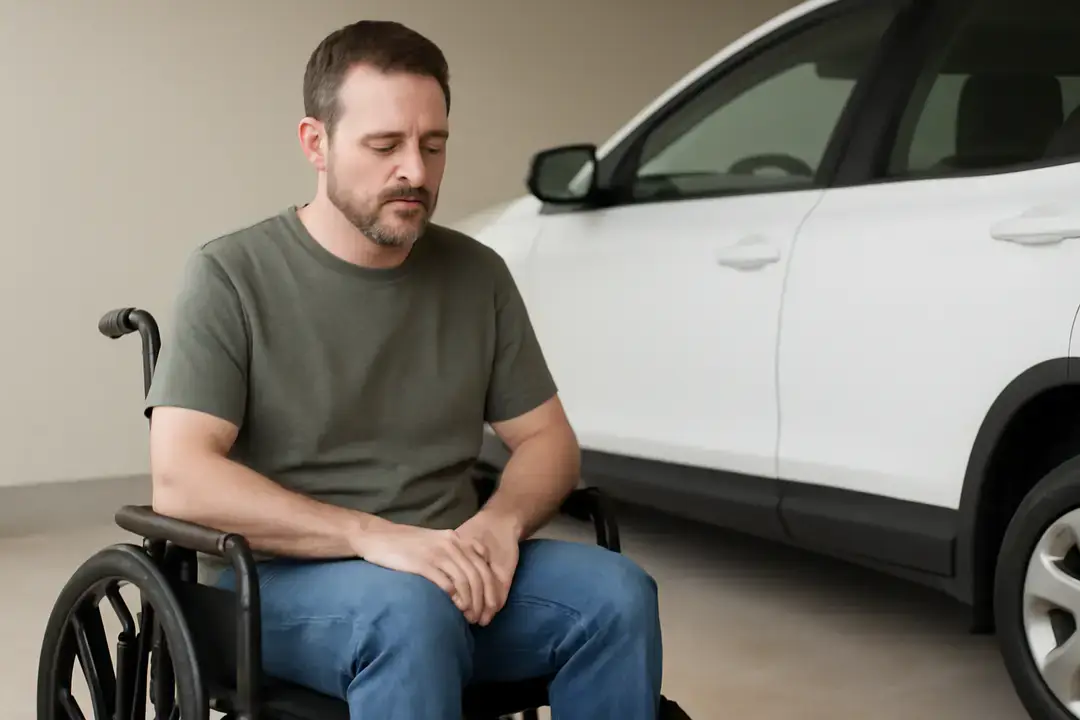
- Mobility limitations – What kind of movement is restricted? Is it your legs, arms, grip strength, or a combination?
- Driving habits – Do you drive daily or just occasionally? Long distances or short local trips?
- Type of vehicle – Some adaptations only work with specific vehicle types or sizes.
- Physical comfort – Can you sit comfortably for long periods, and is getting in and out of the car a challenge?
Some people may need only minor adjustments, while others will require more extensive modifications. This isn’t about comparing your needs to someone else’s. It’s about getting exactly what suits your body, your lifestyle, and your routine.
Common Types of Driving Aids
Here are some of the most widely used driving aids that can be tailored to different types of physical limitations.
Hand Controls
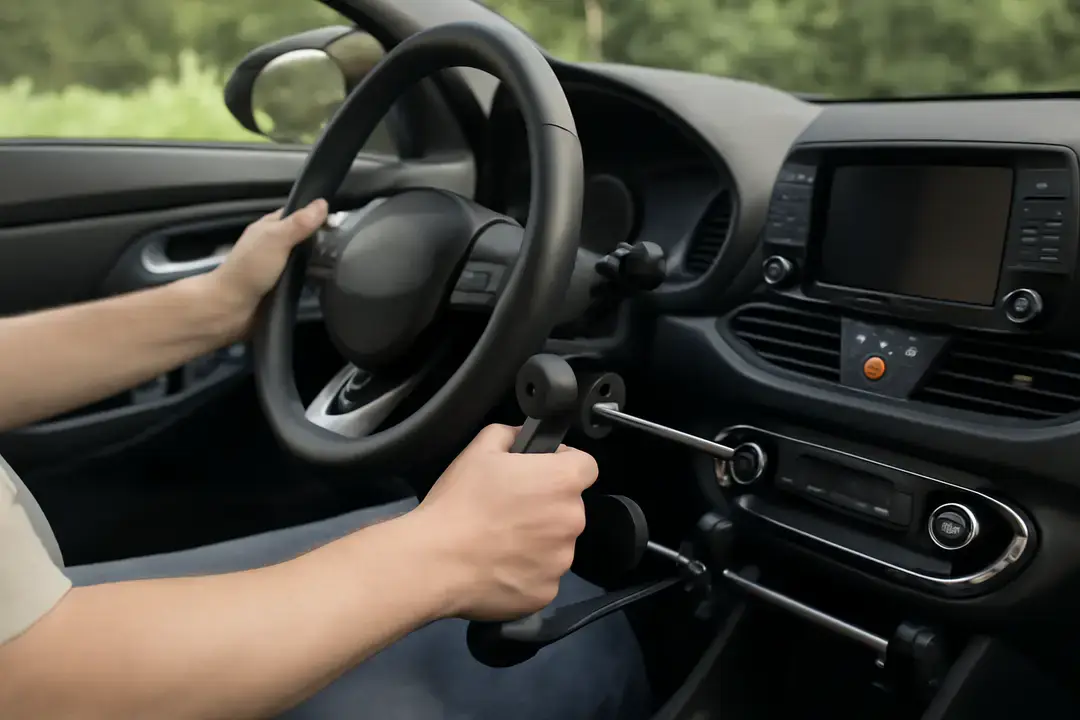
Ideal for drivers who can’t use their legs or feet to operate pedals. Hand controls allow you to manage acceleration and braking using levers or push-pull mechanisms. They’re typically mounted on the steering column or dashboard and are often combined with steering aids for smoother control.
Pedal Modifications
This includes pedal extensions, left foot accelerators, or floor-mounted adaptations. If you have difficulty reaching or using standard pedals, these tools can help maintain comfort and safety without compromising control.
Steering Aids
If gripping and turning a standard wheel is difficult, steering aids like spinner knobs or tri-pins offer better leverage and stability. They attach directly to the wheel and come in a variety of shapes to suit different levels of dexterity.
Remote Controls
Also known as secondary controls, these let you manage functions like indicators, lights, horn, or wipers without taking your hands off the wheel. They’re especially useful for drivers with limited reach or hand movement.
Seating and Access Solutions
Driving aids don’t stop at the wheel. Swivel seats, hoists, and transfer boards help drivers get in and out of their cars comfortably and safely. For many, this is just as important as the driving process itself.
Think Long-Term
A driving aid isn’t something you want to swap out every year. It’s an investment in long-term mobility. Think about how your condition might change over time. Will your strength decline? Will fatigue become more of an issue? Planning for the future now will save you from costly adjustments later.
Also, don’t forget to consider vehicle compatibility. Not every aid works in every car. The vehicle you have today may not be the one you’ll drive five years from now. Flexibility matters.
Trial, Training, and Testing
Don’t skip this part. Even if an aid looks perfect on paper, you need to see how it feels behind the wheel. Many mobility centres offer assessments and test drives, where you can try different setups before committing.
Once installed, proper training is essential. A new driving aid can change how you interact with your vehicle, so time with an approved instructor can help you adjust safely. Confidence builds with practice, and a few guided sessions can make a big difference.
Aids Are Not Just for Drivers
Driving aids are often designed with drivers in mind, but passengers with mobility issues can also benefit. Hoists, grab handles, and swivel seats help make travel accessible for those who ride along rather than drive. When thinking about mobility as a whole, it helps to consider everyone in the vehicle.
What to Avoid
A few common mistakes can make choosing a driving aid harder than it needs to be.
- Choosing based on price alone – A cheaper option might seem appealing, but it may not last or provide the right support.
- Assuming one-size-fits-all – What works for one person won’t necessarily work for you.
- Skipping the professional assessment – A self-assessed setup could lead to safety issues or even vehicle damage.
- Overcomplicating it – More features aren’t always better. The best aids are the ones that solve the problem simply and effectively.
Keep It Maintained
Once your driving aid is installed, regular checks are vital. Just like any mechanical part, these adaptations can wear down or go out of alignment. Make sure maintenance is part of your routine, especially if your aid involves moving parts or electronic controls.
Driving Forward with Confidence
Mobility doesn’t have to mean limitation. With the right driving aid, many people find they can maintain independence, stay active, and travel with less stress. It all starts with choosing a solution that matches your needs, not just today, but in the years ahead too.
Further Reading