Tesla Car Cleaning Robot: Automated Detailing for Electric Vehicles
Tesla is advancing car care with its innovative self-cleaning technology for vehicles. Tesla is developing automated cleaning solutions, particularly focusing on its upcoming Robotaxi fleet. These systems are designed to maintain vehicle cleanliness with minimal manual effort, helping to ensure a hygienic environment for passengers.
Tesla’s patent for this technology outlines an automated sanitization system. This system enables Tesla’s vehicles to detect and address sanitation needs autonomously. The company has also demonstrated a self-cleaning mechanism for its Cybercab, which has a two-seat design that simplifies the cleaning process.
The self-cleaning systems are part of Tesla’s broader vision for autonomous vehicles and robotaxis. By automating the cleaning process, Tesla aims to reduce operational costs and improve efficiency for its future robotaxi fleet. This technology could be a game-changer in the world of autonomous transportation.
Key Takeaways
- Tesla is developing automated cleaning systems to maintain vehicle hygiene for its robotaxis.
- The self-cleaning technology is designed to work seamlessly with Tesla’s future vehicle designs.
- This innovation could significantly reduce maintenance costs for Tesla’s planned robotaxi fleet.
Emergence of Tesla Self-Cleaning Systems
Tesla is developing new technology to automate vehicle sanitation. This includes built-in self-cleaning systems and automated cleaning stations for their cars and planned robotaxis.
Innovation in Automobile Maintenance
Tesla filed a patent for a self-cleaning system integrated into vehicles. The system would use automated processes to sanitize the car’s interior, particularly focusing on ride-sharing applications.
The patent describes sensors that detect dirt and debris. It also outlines methods to clean hard-to-reach areas inside the car using automated processes.
Robotics in the Automotive Industry
Car companies are exploring how automation can improve vehicle maintenance. Tesla is taking this further by incorporating self-cleaning features into its vehicles rather than developing external cleaning robots.
Tesla’s cleaning technology would operate within dedicated cleaning stations, allowing robotaxis to maintain hygiene between rides efficiently. This approach could significantly reduce labor costs for fleet operators.
Tesla’s Approach to Car Care
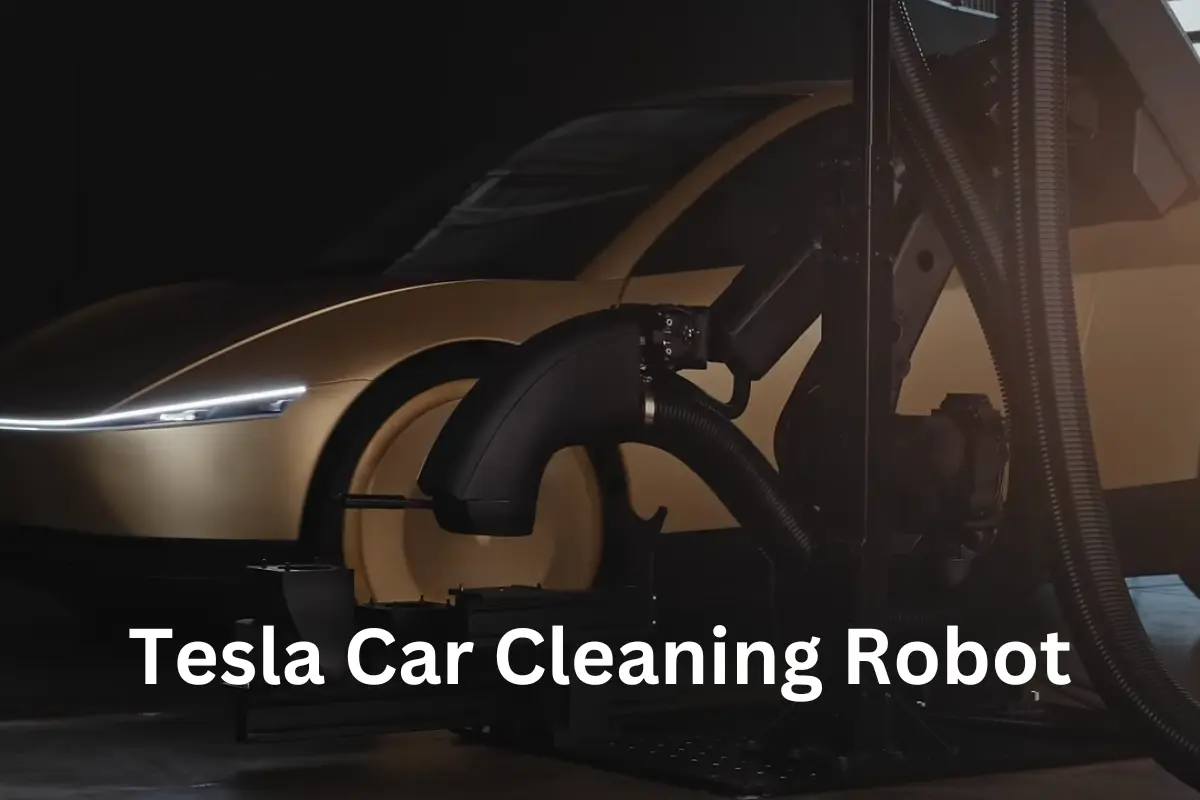
Tesla demonstrated an automated interior cleaning system for its Cybercab robotaxi. The two-seat design of the Cybercab makes it easier to clean efficiently, reducing maintenance time between rides.
The company aims to cut cleaning costs for robotaxi operations by automating as much of the process as possible. This could improve the economics of running a self-driving taxi service.
If a vehicle’s self-cleaning system isn’t sufficient, it can drive itself to a dedicated cleaning station for additional sanitation procedures.
Design and Technology of Self-Cleaning Systems
Tesla’s self-cleaning systems use advanced technology to maintain vehicle cleanliness with minimal human intervention. The technology relies on sensors, automation, and built-in sanitization mechanisms.
Sensors and Navigation
Smart sensors help the system detect dirt and environmental conditions inside the car. Cameras and laser sensors can identify unclean surfaces and initiate the cleaning process accordingly.
Tesla’s vehicles will likely store cleaning maps for different environmental conditions, ensuring an optimal sanitization process in real-time.
Software and Automation
Tesla’s cleaning system relies on smart software to plan the best way to sanitize each vehicle. The software can identify different types of dirt and apply the appropriate cleaning method.
The system can monitor cleaning efficiency and request additional maintenance if needed. Over-the-air updates will likely enhance the performance of the cleaning system over time.
Eco-Friendly Solutions
Tesla’s self-cleaning system is designed to use minimal water and eco-friendly sanitation methods. It prioritizes energy-efficient cleaning and environmentally safe cleaning agents to reduce its ecological footprint.
By automating the cleaning process, Tesla aims to extend the lifespan of its vehicles while minimizing environmental impact.
Integration with the Tesla Ecosystem
Tesla’s self-cleaning technology seamlessly connects with its broader ecosystem. The automated system can be monitored through Tesla’s software, providing updates on sanitation status and maintenance requirements.
Syncing with Tesla App
The self-cleaning system may integrate with the Tesla mobile app, allowing fleet operators to schedule cleaning cycles, track sanitation status, and receive maintenance alerts.
Compatibility with Vehicle Models
Tesla’s self-cleaning technology is being designed primarily for its future robotaxi fleet. The Cybercab, with its minimalistic design, is expected to be the first vehicle optimized for automated sanitation.
Environmental Impact and Sustainability
Tesla’s self-cleaning system aligns with the company’s sustainability goals by reducing water waste and eliminating the need for chemical-heavy car washes. The automated cleaning process ensures that vehicles remain sanitary while minimizing their environmental impact.
Future Developments in Autonomous Car Care
Tesla is exploring additional ways to enhance self-cleaning technology. Potential advancements include:
- Self-diagnosing systems that detect when a vehicle requires cleaning.
- Automated interior vacuuming and surface sanitization using UV light and other methods.
- Integration with charging stations for all-in-one servicing, allowing vehicles to charge and clean simultaneously.
These advancements could help Tesla maintain a clean and hygienic fleet of autonomous vehicles, ensuring a better user experience and reducing manual maintenance requirements.
Conclusion
Tesla is actively developing automated sanitation technologies to support its vision for autonomous transportation. While the company is not developing independent robotic cleaning arms, its approach to self-cleaning technology focuses on built-in vehicle sanitation and automated cleaning stations. These innovations aim to improve efficiency, reduce operational costs, and support Tesla’s commitment to sustainability.
Frequently Asked Questions
Tesla’s car cleaning robot has sparked interest among consumers. People want to know about its features, cost, and performance compared to other options.
What are the reviews saying about the Tesla car cleaning robot?
Early reviews praise the robot’s efficiency. Users report it cleans cars thoroughly. Some say it saves them time and effort. A few reviewers note it works best on Tesla vehicles.
What is the cost of acquiring a Tesla car-cleaning robot?
Tesla has not released official pricing yet. Industry experts guess it may cost between $1,000 to $2,000. The exact price will likely depend on features and capabilities.
Does the Tesla cleaning robot have housekeeping capabilities?
The Tesla robot is designed for car cleaning only. It does not have features for home cleaning tasks. Its sensors and tools are made for vehicle surfaces and interiors.
What are the features and specifications of the Tesla cleaning robot?
The robot has advanced sensors to navigate around cars. It uses special brushes and vacuums for different surfaces. The robot can clean both the exterior and interior of vehicles.
How does the Tesla car cleaning robot compare to other vacuum robots on the market?
Tesla’s robot is made just for cars. Most other robots clean homes or floors. The Tesla robot has special tools for vehicles. It may clean cars more deeply than general-purpose robots.
What is the expected lifespan and maintenance requirements for the Tesla car cleaning robot?
Tesla has not shared exact lifespan estimates. Experts think it may last 5-7 years with good care. Users should clean the robot’s brushes and filters regularly. Software updates may be needed to keep it working well.
FURTHER READING