How Visual Branding Shapes Indie Artists’ Careers
Ever notice how a striking album cover can grab you before a single note plays? Visual branding sets the tone for an artist’s world and often guides fan expectations. Yet many indie musicians focus on music alone and overlook the hidden power of consistent imagery and design. Have you ever wondered how subtle details like a color palette or font style influence an artist’s credibility?
Understanding this visual layer can change how you present your work and connect with listeners. By mastering key branding elements, you make smarter design choices, avoid mixed messages, and strengthen fan loyalty. Learning which elements matter most will save time, cut costs, and help you stand out from the crowd.
Defining Visual Identity
Visual identity refers to the core look that ties together your music and personality. It includes elements like logos, color schemes, typography, and graphic motifs. First, identify your artistic values and the emotions you want to evoke. Are you dark and moody or bright and playful? Jot down keywords that match your music.
Next, create sample mood boards with images, textures, and typefaces. You can use free tools like Canva to experiment. Compare your mood board to artists in a similar genre. What colors or patterns set them apart? Note what feels fresh and what feels overused.
Once you’ve chosen your primary colors and fonts, stick with them across album art, social posts, and merchandise. Consistency builds recognition. Fans learn to spot your work in a newsfeed filled with competing graphics. A clear visual identity becomes a shortcut for fans to connect with your music.
Consistent Design Elements
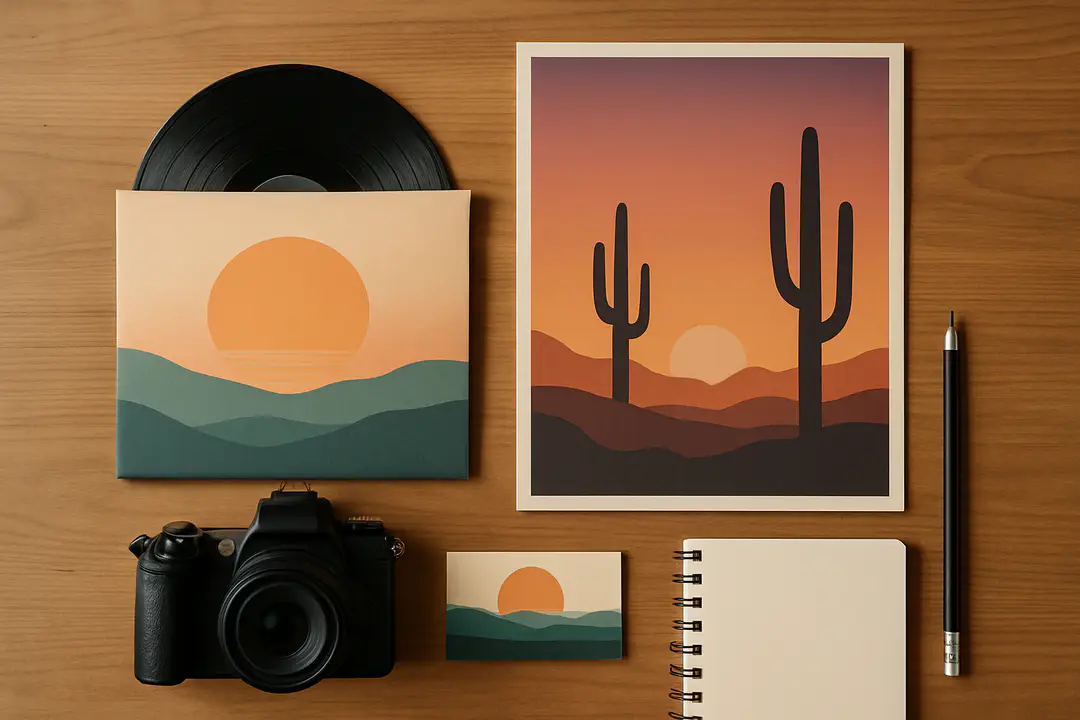
Consistency is more than using the same logo. It’s about maintaining a cohesive look in every touchpoint. This means your website design, Instagram posts, tour flyers, and merch tags all share a common thread.
Start by creating a simple style guide. List your fonts, color codes in HEX or RGB, and rules for logo placement. Treat the guide like a living document. Update it as your visuals evolve but never stray too far. Your fans should immediately recognize your brand, whether they see a poster on the street or a song on Spotify.
Practical tip: save templates for social media graphics and adjust only images and text. This saves hours of design work each week. It also ensures new content aligns with your style. In time, consistent branding leads to stronger recall. Fans recall your name faster and feel a sense of familiarity before hearing a note.
Storytelling Through Art
Visuals do more than look good. They tell your story. Whether you draw from childhood memories, album themes, or personal symbols, each image layer adds meaning. An illustration might hint at lyrics you’ll sing, or a photo filter can set the right mood.
Start by mapping key stories you want to share. Choose three themes—like resilience, nostalgia, or adventure. Then pick visuals that reflect those themes. For example, use retro film grain to convey fond memories. Or Sharp lines and neon to show energy and urgency.
Be careful not to mix too many ideas at once. Focus on clarity. Fans should sense your authentic visual voice and see how it ties back to your music. That authentic visual voice builds trust and loyalty over time.
Social Media Presence
Social platforms are the stage to showcase your brand daily. Each channel has its own best practices. Instagram favors strong imagery, while Twitter leans on brief text updates mixed with graphics. TikTok needs short videos with consistent visual cues, like filters or on-screen text in your brand font.
Tip: create a content calendar that outlines post types. Plan one behind-the-scenes photo, one lyric graphic, and one tour update per week. This keeps your feed varied but on-brand.
- Instagram: square visuals, highlight covers in your colors.
- Twitter: banner images that match your album art.
- TikTok: short clips with branded overlays.
- Facebook: event graphics for shows.
Also consider assembling a digital lookbook to share with media outlets or booking agents. A lookbook collects your key visuals in one shareable format. It reinforces your style and makes it easy for press to grab images that fit their layout.
Merchandise and Packaging
Merch lets fans wear or display your brand, creating walking ads for your music. Packaging extends this—vinyl sleeves and CD booklets become mini art pieces.
Choose products that align with your style. If your brand is eco-friendly, pick organic tees and recycled paper. If you lean punk or goth, black hoodies and patched jackets might fit best.
Compare packaging options:
| Option | Features | Cost | Time |
|---|---|---|---|
| Eco Sleeve | Recycled materials | Low | 2–3 weeks |
| Custom Box | Rigid, printed | High | 4–6 weeks |
| Standard Sleeve | Basic print | Medium | 1–2 weeks |
Practical tip: order small batches first. Test designs with your core fans. Listen to feedback on color choices or material feel. Adjust for larger runs to avoid leftover inventory.
Collaborations and Partnerships
Joining forces with other artists or brands can widen your reach. Choose partners whose audience overlaps with yours. A coffee shop hosting a live session, a clothing label featuring your art on a limited shirt, or a local venue using your posters all count.
Approach partners with a clear proposal. Show mock-ups of how your visuals fit their space or product. Highlight mutual benefits, like shared audiences or social media tags.
Tip: draft a simple agreement covering design rights, revenue splits, and promotion timelines. This avoids confusion later. Successful collaborations can lead to cross-promotion, new fans, and extra income.
Measuring Brand Impact
How do you know if your visual branding is working? Track metrics like engagement rates on branded posts, merch sales per design, and website clicks from social media banners.
Use tools like Google Analytics, Instagram Insights, and merch platform reports. Set benchmarks—say, a 5% boost in likes or a 10% increase in merch sales after a new design launch.
Gather direct feedback through polls or messages. Ask fans which color scheme they prefer or if a new logo feels on-brand. Small surveys yield valuable data that guides your next design decisions.
By measuring impact, you refine your approach over time. You invest in visuals that work and drop those that don’t, maximizing return on design spend.
Conclusion
Visual branding may feel like extra work on top of making music, but it shapes how fans perceive and remember you. From a clear identity and consistent design to telling your story and tracking results, each step strengthens your brand. You build trust, stand out in crowded feeds, and turn casual listeners into loyal supporters.
Start small by defining your core visuals, then roll out design guides and experiment with merch or collaborations. Measure what resonates and keep refining. With focused effort, your visuals become an engine for growth—one that amplifies every note you play and every story you share.