How to Design High-Traffic Spaces for Durability and Efficiency
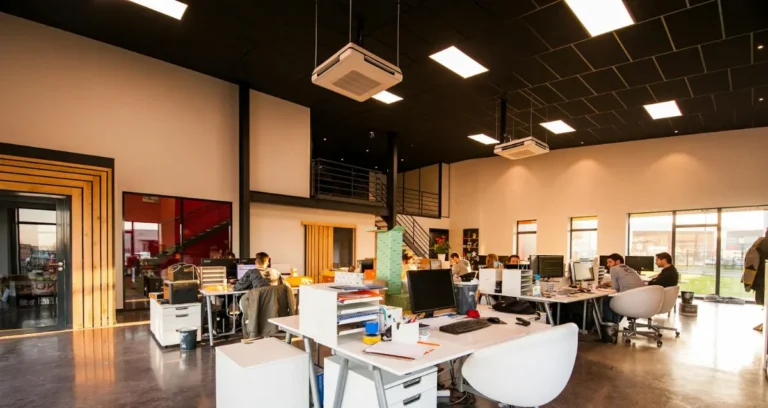
Designing high-traffic environments comes with unique challenges. Whether you are creating office spaces, retail environments, public transportation hubs, or educational facilities, ensuring that your spaces can handle constant use without losing functionality or aesthetic appeal is essential. These spaces need to be both durable and efficient to support daily operations while providing a positive experience for everyone who uses them. By applying best practices in design, you can ensure that these spaces are functional, cost-effective, and built to last.
High-traffic areas endure constant wear, leading to high maintenance costs and a poor user experience if not managed effectively. The essence of designing these spaces lies in prioritizing durability, optimizing space, and incorporating smart solutions to reduce long-term expenses. This article will delve into best practices for developing high-traffic environments that foster durability, efficiency, and an improved user experience.
The Challenges of High-Traffic Environments
High-traffic spaces experience constant use, which can lead to several challenges. The most common issue is wear and tear on materials and surfaces. Whether it’s floors getting scuffed, walls becoming scratched, or restroom facilities getting dirty and damaged, these areas require regular maintenance. Over time, the cost of maintenance can add up, especially in places like airports, shopping malls, schools, or large office buildings.
Efficient use of space presents a significant challenge. As user numbers grow, maximizing limited space to avoid overcrowding becomes difficult. Crucial to accommodating both customers and employees effectively is meticulous layout planning.
Inefficiently designed spaces can lead to substantial maintenance demands, consuming significant resources. High operational costs from frequent repairs, cleaning, and replacements can reduce overall productivity by diverting attention from other critical priorities.
Best Practices for Durability in High-Traffic Spaces
Durability in design hinges on selecting materials and fixtures that can endure significant wear. Material choice is paramount. For high-traffic areas, prioritize robust, low-maintenance materials. High-quality flooring, for instance, resists wear and tear, reducing the need for frequent replacement. Excellent choices for these demanding environments include vinyl, epoxy coatings, and rubber flooring, due to their hard-wearing nature and simple upkeep.
Additionally, the use of high-durability furniture and fixtures is essential in ensuring the space can withstand heavy use. Furniture in high-traffic areas must be robust and able to handle the daily demands of users. Opting for modular furniture that is easy to replace or reconfigure based on changing needs is also a smart choice.
Another area of focus in durability is restroom design, which is often an overlooked aspect of high-traffic environments. In public facilities like schools, durable bathroom stalls are essential in providing both privacy and longevity. Stalls made from high-quality materials, such as stainless steel or solid plastic, ensure that the restroom remains functional and visually appealing with minimal maintenance. These durable options help reduce cleaning time and repair costs, making the restroom facilities more efficient.
Maximizing Efficiency in High-Traffic Spaces
Optimizing space and integrating technology are crucial for enhancing efficiency, lowering operational costs, and improving user experience in high-traffic environments.
Space Optimization:
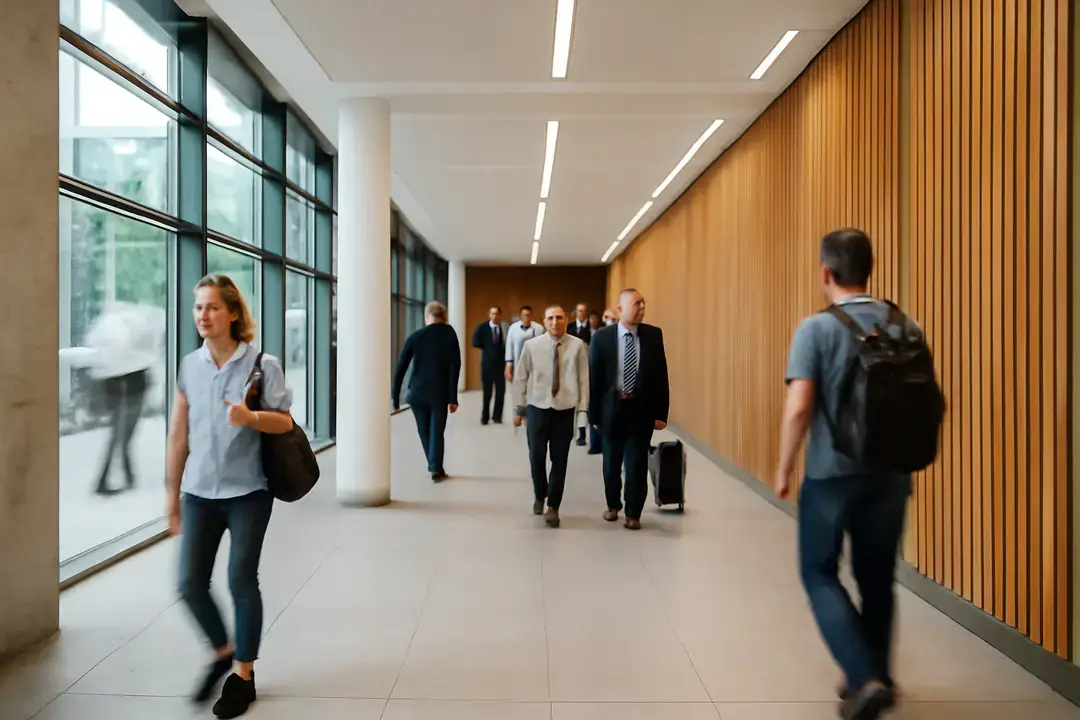
- Maximize every square foot: Design open layouts with wide aisles and clear signage to facilitate smooth movement and reduce bottlenecks.
- Logical placement: Strategically position seating areas, exits, and service counters to improve overall functionality.
Technology Integration:
- Smart technology: Implement automated lighting systems, HVAC control, and energy-efficient appliances to optimize energy use, cut costs, and enhance user comfort. For example, occupancy-based lighting and smart HVAC systems can significantly reduce electricity consumption while maintaining optimal conditions.
- Touchless technology in restrooms: Integrate touchless faucets, soap dispensers, hand dryers, and flush mechanisms to improve hygiene and reduce maintenance time in high-traffic facilities.
Designing for Safety and Accessibility
When designing high-traffic spaces, safety and accessibility should always be the top priorities. These areas need to be free from hazards and equipped with effective measures to prevent accidents. In conditions like rain or snow, non-slip flooring becomes essential, especially in hallways, bathrooms, and entrances. Proper lighting and clear signage are also crucial for guiding people safely through the space, minimizing the risk of accidents.
Accessibility is a key consideration in every design, particularly in high-traffic areas, where the needs of individuals with varying abilities must be met. Compliance with ADA standards is crucial, particularly regarding the accessibility of doorways, restrooms, and seating areas for individuals with disabilities. For instance, designing restrooms with wide entrances, generous stall space, and ample maneuvering room ensures comfortable use for those with mobility challenges.
In school environments, school restroom partitions play an essential role in both student comfort and safety. Their sturdy construction and easy-to-clean materials ensure that maintenance is simplified, while their accessibility features help meet ADA standards. This not only reduces maintenance costs but also enhances the overall functionality and comfort of school restrooms.
Long-Term Sustainability and Future-Proofing
Sustainability is an essential aspect of designing high-traffic spaces. As businesses and facilities grow, so do the demands on their resources. By incorporating green technologies and sustainable materials, you not only reduce your environmental footprint but also ensure the longevity and efficiency of the space.
Adopting energy-efficient solutions like LED lighting and intelligent heating/cooling systems significantly lowers long-term operational expenses. Similarly, installing water-saving fixtures and low-flow toilets in restrooms decreases utility costs and enhances the building’s overall sustainability. Furthermore, flexible space design, incorporating elements like modular walls or movable furniture, allows for future adaptations without expensive renovations.
In addition to these physical changes, communicating environmental actions to build trust with stakeholders and the public is critical. A facility that not only operates sustainably but also communicates its environmental efforts is more likely to gain long-term support and loyalty.
Conclusion
Designing high-traffic spaces that are durable, efficient, and safe is an ongoing challenge, but by focusing on smart design choices, you can create environments that serve their purpose for years to come. Whether you are designing an office, school, or public space, paying attention to material selection, layout, and technology integration will ensure that your space can handle heavy use without compromising on functionality or aesthetics.
By incorporating long-lasting materials, optimizing space, and investing in technologies that improve efficiency, you not only reduce long-term costs but also create a better experience for everyone who uses the space. Designing for durability, efficiency, and sustainability is the best way to future-proof high-traffic environments while providing a safe, functional, and welcoming space for all.
Further Reading