A Comprehensive Guide to the Latest Trends in the Automotive Industry
The car industry is changing at a very fast pace because of technology, sustainability, and the changing tastes of customers. It is crucial for modern-day manufacturers, investors, and enthusiasts to follow through with the latest automotive trends to gain insights into the forces that define modern mobility. Intelligent systems, environmental responsibility, and integrated mobility solutions have already become part of the industry that is no longer characterized by horsepower or design.
Electrification: Transitioning Toward Sustainable Mobility
The auto industry is also experiencing a significant transition towards using cleaner energy, with sectors adopting the trend of electrification.
- Rise of Electric Vehicles (EVs): The shift in the automotive industry to electric vehicles instead of internal combustion engines is one of the characteristics of the present car scene. Due to the sustained battery efficiency, reduction in cost, and increase in consumer awareness concerning environmental impacts, EV adoption is increasing.
- Hybrid Solutions for Practicality: Hybrid cars exist between the traditional and fully electric cars. Hybrids are able to provide fuel efficiency without reducing the performance of the vehicle by integrating internal combustion engines with electric motors. Such solutions can be especially applicable to areas where the EV infrastructure is underdeveloped and provide consumers with a stable and multifunctional decision.
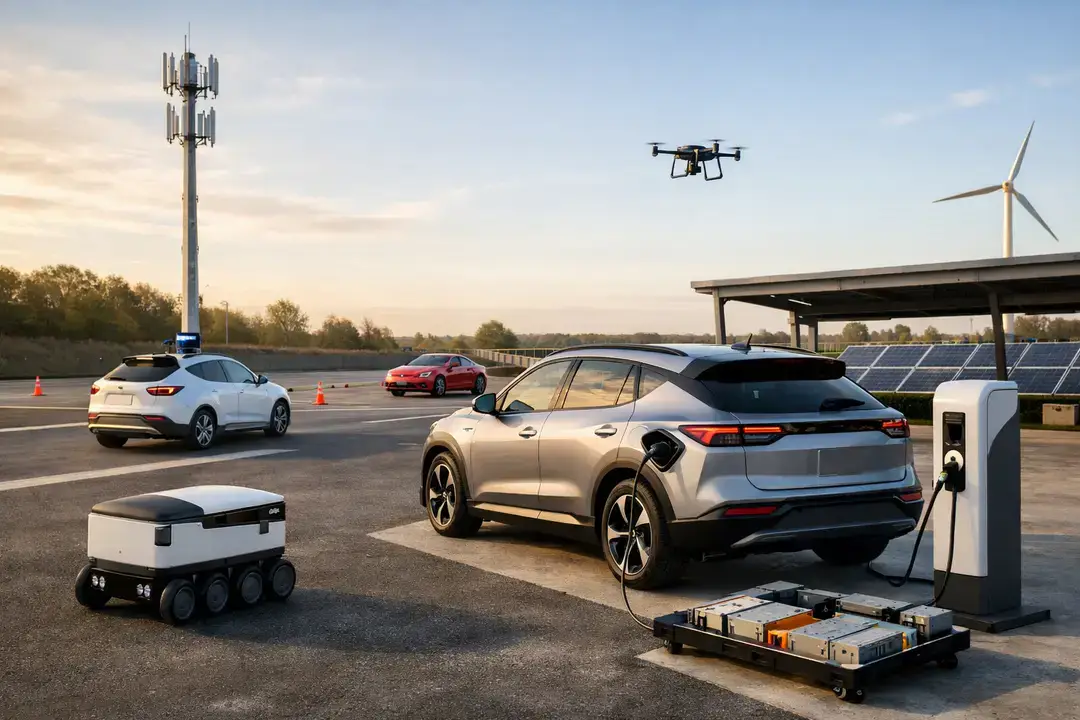
- Commercial Fleet Electrification: Companies are also moving commercial fleets to electric options in order to lower their operational expenses and environmental impacts. The process of fleet electrification includes an approach to smart charging infrastructure and predictive maintenance, which enhances efficiency and long-term sustainability.
Autonomous Driving and AI Integration: Shaping Smarter Vehicles
The use of autonomous technology is not a far-off notion, but it is already changing the safety, efficiency, and user experience of vehicles.
- Advanced Driver Assistance System (ADAS): Cars have the systems of ADAS, including adaptive cruise control, lane departure warning, and automated parking. These instruments make the roads safer, as they control the situation on the road, indicate possible dangers, and help the drivers in life-threatening situations. ADAS technologies are a forerunner to the full-fledged autonomous vehicles, which will provide instant advantages in terms of accidents and the comfort of driving.
- Artificial Intelligence in Vehicle Operation: The AI application is at the core of the autonomous vehicle development. Machine learning algorithms are used on live sensor data to allow vehicles to make predictive decisions and avoid complex traffic scenarios.
- Challenges in Autonomy Deployment: With the high level of technological advancement, autonomous driving has been subjected to regulatory, ethical, and infrastructure issues. Safety assurance, dealing with cybersecurity threats, and the development of common legal frameworks are essential measures for the imminent adoption.
Connected Vehicles: Redefining the Driving Experience
Connections are making cars smart enough to exchange information with infrastructure and other automobiles, along with digital services.
- Vehicle-to-Everything (V2X) Communication: Vehicles use the V2X system to exchange data with other vehicles, road infrastructure, and smart city solutions. This integration will enable real-time traffic information, road hazards, and optimal route choice, which will go a long way in improving road security and minimizing traffic jams.
- Over-the-Air Updates and Predictive Maintenance: Manufacturers are also starting to provide over-the-air software updates, where vehicles can receive new features, security fixes, and system upgrades without having to go to the service center. Predictive maintenance systems use the data about a vehicle to predict possible failures, which minimizes downtime and maximizes reliability.
- Data-Informed Breakthroughs to Optimization: Connected cars produce a lot of data, which manufacturers and service providers can use to enhance performance, safety, and user experience. The related analytics on related systems drive design advancement, city movement planning, and individual services, showing how data and analytics are increasingly critical to future transportation.
Advanced Safety and Intelligent Infrastructure
Automobile safety is no longer limited to airbags and seatbelts, but proactive systems and smart infrastructure are being incorporated as well.
- Proactive Safety Systems: Safety has always been one of the main concerns of automotive innovation. Automatic braking in case of an emergency, blind spots, and collision avoidance are some of the systems that are provided in vehicles; these systems do not act as protective measures but actively prevent accidents.
- Smart Infrastructure Integration: The contemporary safety plans are not limited to vehicles but include intelligent infrastructure. Sensors are connected to the traffic lights, which drive the vehicles and special lanes to improve the overall functionality of safety systems.
- Regulatory Standards and Testing Protocols: The safety innovations are supported by the strict testing and the changing standards of regulation. It also demands manufacturers to have high standards of safety, which require both traditional and advanced systems to work efficiently in a variety of conditions.
Mobility Solutions and Urban Transportation Trends
City transportation is turning into a service-based ecology, and shared transportation, micro-mobility, and smart cities are becoming critical.
- Mobility as a Service (MaaS): MaaS platforms combine various transport types (ride-sharing, public transportation, micro-mobility, etc.) into one convenient user interface. Planning, booking of trips, and payment can be done without any hassle, and the overall ease of the procedure increases, as well as dependence on individual car ownership is minimized.
- Shared and Micro-Mobility Solutions: With the increasing popularity of electric scooters, bicycles, and small shared cars as convenient alternatives to automobiles, commuters and other urban residents are moving their daily travel by car shorter and shorter. These solutions curb carbon emissions, traffic congestion, and involve flexible, last-mile connectivity.
- Integration of Smart City Concepts: Cities are changing according to the new needs of mobility by developing integrated transport systems, exclusive EV charging areas, and smart traffic controls. These developments not only make it efficient but also make sure that the urban infrastructure is in a position to accommodate emerging automotive technologies.
Conclusion
There is a profound change in the automotive industry, as it is being electrified, undergoing autonomous technology, being connected, innovating safety, and changing models of urban mobility. By keeping up with the auto industry’s latest news, professionals, enthusiasts, and consumers can make informed choices on matters and predict future trends.
Those who are interested in finding trustworthy information about different vehicles, FyndMyCar offers a platform that will allow them to explore the changing world of automobiles. Knowledge of such trends today puts you ahead of the transportation realities that are going to happen tomorrow.
Further Reading