How the Brake Master Cylinder Works to Stop Your Car
Your vehicle’s ability to stop safely and reliably depends heavily on the brake master cylinder. This crucial component in your braking system converts the force you apply on the brake pedal into hydraulic pressure that activates the brakes at each wheel. Without a properly functioning master cylinder, your car would not be able to slow down or stop effectively, putting you and others at risk.
Understanding how the brake master cylinder works can help you recognize issues early and maintain your vehicle’s braking performance. For example, cars like the sporty Nissan/Datsun 300ZX Clutch Master Cylinder rely on a well-maintained master cylinder to ensure precise brake control at high speeds.
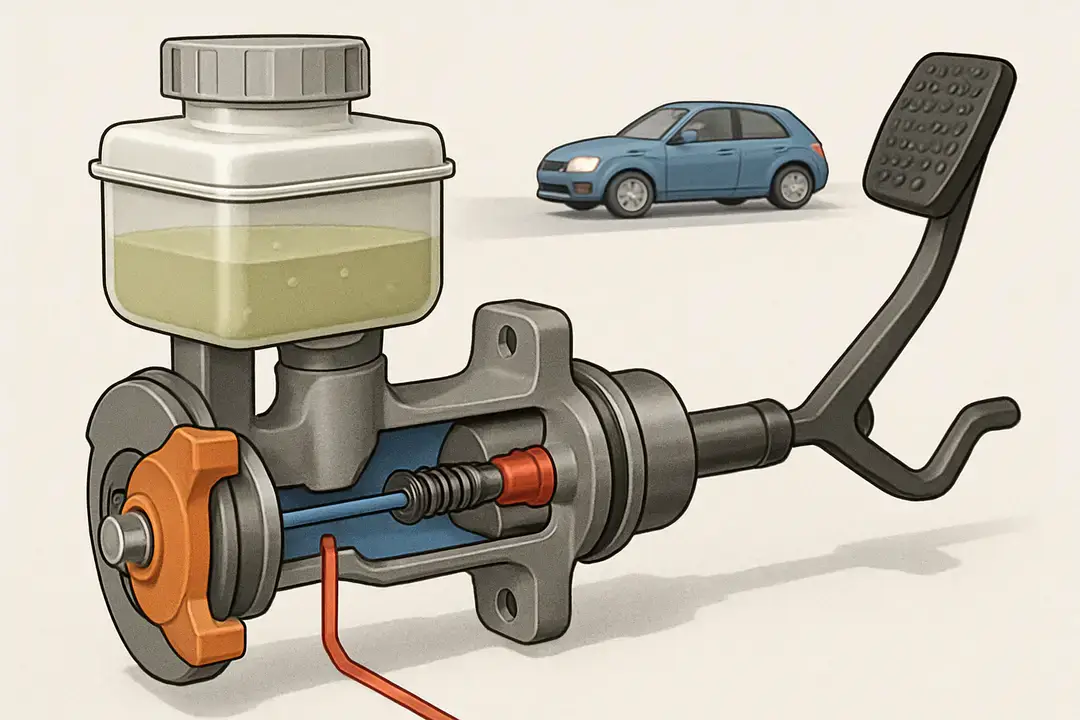
The brake master cylinder typically contains a reservoir filled with brake fluid and one or more pistons inside a cylinder bore. When you press the brake pedal, this piston pushes the brake fluid through the brake lines, creating hydraulic pressure. This pressure forces the brake pads or shoes to press against the rotors or drums at the wheels, slowing the car down.
If the master cylinder fails or leaks brake fluid, the hydraulic pressure can drop, leading to reduced braking efficiency or complete brake failure. Regular inspection and maintenance of the master cylinder are key to keeping your vehicle safe on the road.
How It Helps You Stop Safely
The brake master cylinder acts as the heart of your vehicle’s hydraulic braking system. It ensures that the force you apply on the brake pedal is multiplied and evenly distributed to all four wheels. This balance is crucial for effective braking and vehicle stability.
High-performance vehicles, like the BMW M3 Clutch Master Cylinder, depend on a responsive master cylinder to maintain smooth, consistent braking during spirited driving or on the track. Any issues with the master cylinder can compromise safety by increasing stopping distances or causing uneven brake application.
Besides converting mechanical force into hydraulic pressure, the master cylinder also includes safety features such as dual circuits. These circuits allow the brakes to still work on at least two wheels if one part of the system fails, reducing the risk of total brake loss.
Signs of master cylinder problems include a soft or sinking brake pedal, brake fluid leaks, and warning lights on your dashboard. Addressing these issues promptly by repairing or replacing the master cylinder can prevent accidents and ensure your braking system performs as intended.
How To Locate The Brake Master Cylinder
Knowing where to find the brake master cylinder on your vehicle can make inspection and maintenance easier. It is usually mounted on the driver’s side firewall in the engine compartment, directly connected to the brake pedal via a pushrod.
For example, on models like the 2006 Pontiac GTO Clutch Master Cylinder, you’ll find the master cylinder near the brake booster—a large round component that helps increase braking force with less pedal effort.
The master cylinder has a small plastic reservoir on top that holds the brake fluid. Regularly checking this reservoir’s fluid level and condition is a simple way to monitor the health of your brake system. Low fluid or dirty, contaminated fluid can indicate leaks or system wear, signaling that a master cylinder inspection or replacement may be necessary.
If you notice any issues such as fluid leaks around the master cylinder or the brake pedal feels different than usual, it’s important to have the component checked by a professional or replaced with a quality part to maintain safe braking.
The brake master cylinder is a vital part of your vehicle’s safety system. From everyday commuting to high-performance driving, it plays an essential role in stopping your car safely and reliably. Keeping this component in top condition by understanding how it works, recognizing the signs of failure, and knowing how to locate it will help you avoid costly repairs and dangerous driving situations.
At Autozone, we offer a wide selection of clutch master cylinders and brake components for a variety of vehicles, including the Nissan/Datsun 300ZX, BMW M3, and Pontiac GTO, ensuring you get the right parts to keep your brakes performing at their best.
Further Reading