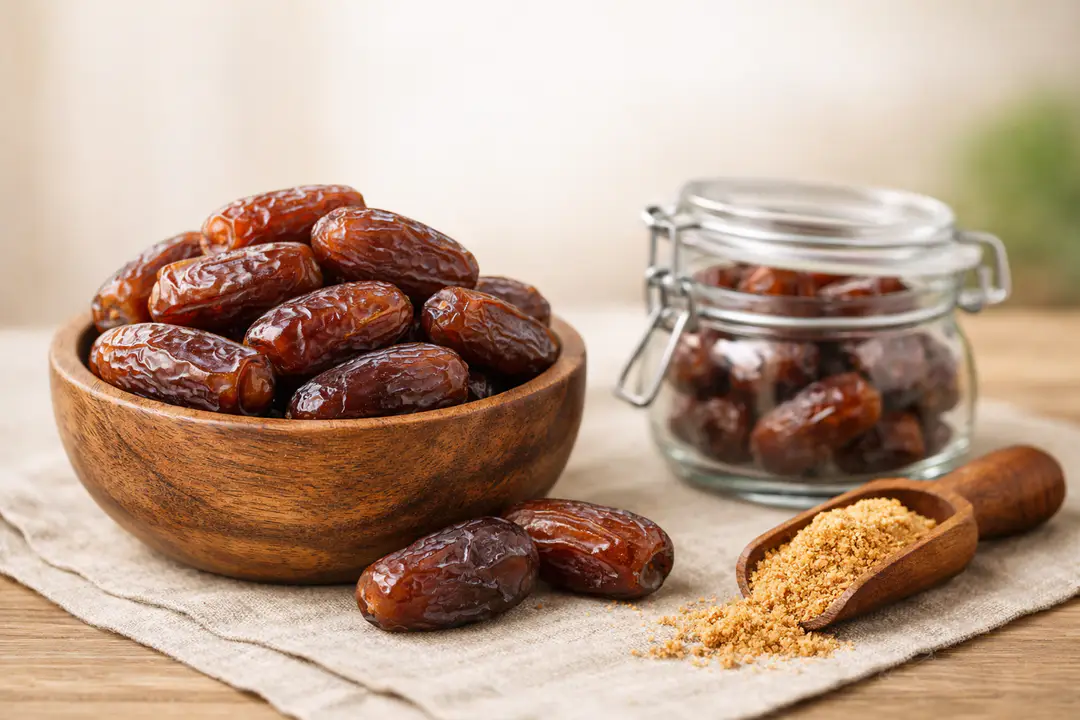
Dates Guide: Nutrition, Varieties, Storage, Uses
Dates tend to show up in life in small but memorable ways: tucked into a lunchbox, offered with coffee, blended into a “healthy” dessert, or served at celebrations where hospitality is expressed through something sweet and satisfying. Yet many people only know dates as a sticky dried fruit—and miss how broad the category really is, from soft, caramel-like Medjools to firmer Deglet Noor that slice neatly into salads and pilafs.
This guide matters because dates are more than a treat. They’re a nutrient-dense fruit with a long cultural history, a distinctive sugar-and-fiber profile, and a surprising number of kitchen uses that can reduce added sugar without sacrificing flavor. They also come with practical questions: Are they “healthy” if they’re sweet? Which type should you buy? How do you store them so they don’t dry out (or get too moist)?
Over the years of testing ingredients for everyday cooking and researching food labeling, I’ve found dates to be one of the most versatile pantry staples—when you understand what you’re buying. You’ll learn what dates are, how varieties differ, what nutrition to expect, how to choose and store them, and how to use them in real meals (not just smoothies).
What Are Dates? An Overview
Dates are the fruit of the date palm (Phoenix dactylifera), a tree cultivated for thousands of years across the Middle East, North Africa, and other warm regions. Botanically, dates are a drupe (a fruit with a single seed/pit). In everyday grocery terms, “dates” typically refers to fruit that has been allowed to ripen until it becomes very sweet and then sold either fresh (rare in many markets) or more commonly cured/dried.
One reason dates are often misunderstood is that “dried” doesn’t necessarily mean heavily processed. Many commercially sold dates are simply harvested at a late ripeness stage and then gently dried or cured to stabilize them. The result is a fruit that’s naturally high in sugars—mostly glucose and fructose—yet still contains fiber, minerals, and plant compounds.
Understanding a few key concepts helps you choose the right dates for the job:
- Ripeness stage: Dates can be harvested and eaten at different stages (from crisp to soft and syrupy).
- Moisture level: “Soft,” “semi-dry,” and “dry” categories describe texture and storage behavior.
- Variety: Medjool, Deglet Noor, Ajwa, Barhi, Zahidi, and others each have distinct flavor and structure.
- Processing: Pitted vs. unpitted, and whether the surface is coated (some are lightly oiled to prevent sticking).
They’re important because they offer a concentrated source of energy and sweetness with a more complex nutritional package than refined sugar. Used thoughtfully, dates can support quick energy needs (like endurance activities), add body to sauces and baked goods, and enhance savory dishes with gentle sweetness and depth.
Understanding Date Varieties and Textures
Not all dates taste or behave the same in cooking, and the differences matter. If you’ve ever tried substituting one type of date for another and ended up with a gluey paste—or with hard pieces that never soften—texture is usually the culprit. Dates are broadly grouped by moisture content: soft, semi-dry, and dry. Within those categories, specific varieties bring their own flavor notes, ranging from caramel and honey to toasted nuts and mild spice.
Soft dates (rich, plush, dessert-like)
Medjool is the best-known soft date in many supermarkets. It’s large, very tender, and often described as caramel-like. Because it blends easily, it’s ideal for date paste, no-bake bars, and quick sweetening of sauces. Soft dates can clump and feel “wet” in humid kitchens, which is normal.
Example use: Stuff Medjools with almond butter and a pinch of flaky salt for a two-bite snack that feels like candy but is made entirely from whole foods.
Semi-dry dates (sliceable, great for savory)
Deglet Noor is a common semi-dry date: smaller than Medjool, mildly sweet, and firm enough to chop cleanly. It performs well in grain bowls, salads, tagines, and pilafs because it holds its shape when heated. Semi-dry dates are also a good choice if you want controlled sweetness rather than an intense dessert profile.
Case study: In a bulgur pilaf with toasted almonds and herbs, chopped Deglet Noor adds contrast without melting into the dish, while Medjool can dissolve and dominate.
Dry dates (firm, sometimes slightly crumbly)
Drier types (such as some Zahidi dates) can be pleasantly chewy but may require soaking for blending. They’re often used for snacking in regions where they’re common, and they’re excellent chopped finely into granola or trail mix.
Common mistakes when choosing varieties
- Assuming “Medjool” is a brand: It’s a variety. Quality still varies by supplier and harvest.
- Buying only pitted dates for everything: Pitted is convenient, but unpitted often retains moisture and flavor longer.
- Using soft dates where structure matters: For salads or stuffing, semi-dry dates may be easier to manage.
Tip: When testing a new bag, taste one plain. A good date should be sweet but not sharp, with a clean finish and no sourness or “fermented” note.
Dates Nutrition: What You’re Actually Eating
Dates are calorie-dense because they’re low in water and naturally high in sugars. That doesn’t make them “bad,” but it does mean portion size matters. Nutritionally, dates are best viewed as a whole-food sweetener: they provide carbohydrates and sweetness along with fiber, potassium, and small amounts of other minerals and phytochemicals.
Macro profile: sugars plus fiber
A typical serving is around 2 Medjool dates or 3–4 smaller Deglet Noor dates, but exact counts vary widely by size. In general, dates deliver:
- Carbohydrates: mostly glucose and fructose
- Fiber: which can slow digestion compared with refined sugar
- Minimal fat and protein: pairing dates with nuts, yogurt, or cheese improves satiety
Practical application: If you want a snack that doesn’t spike hunger 30 minutes later, combine dates with a protein or fat source (e.g., walnuts or Greek yogurt). This balances the fast energy from sugars.
Micronutrients: potassium and beyond
Dates are notably rich in potassium, and they also contribute magnesium, copper, and manganese in smaller amounts. While they aren’t a complete vitamin source, they can meaningfully contribute to mineral intake if you eat them regularly.
Are dates “healthy” if they’re sweet?
This is the most common question, and the honest answer is: it depends on context. Dates can fit well in a balanced diet, especially as a replacement for candy, syrups, or refined desserts. But they’re still concentrated sugar, so they’re not “free” foods.
Example: Swapping a sugary granola bar (with added sugar and oils) for a homemade bar made from oats, nuts, and dates may improve ingredient quality and fiber. But it can still be similar in calories, so it’s not automatically a weight-loss move.
Quick rule: Use dates as a sweetener with structure—pair them with fiber, protein, or healthy fats—rather than eating large handfuls as “health candy.”
Common nutrition label pitfalls
- Overlooking serving size: Medjools are large; one date can be half a serving.
- Assuming “no added sugar” equals low sugar: It only means the sugars are naturally occurring.
- Ignoring coatings: Some packaged dates are lightly oiled; check ingredients if that matters to you.
How Dates Are Grown, Harvested, and Processed
Knowing how dates are produced makes shopping easier and helps explain why texture varies so much between brands. Date palms thrive in hot climates with access to water—often described as “feet in water, head in fire.” Cultivation is labor-intensive: palms are tall, pollination is often done by hand to ensure reliable fruiting, and bunches are thinned and protected to improve quality.
Ripening stages and why they matter
Dates pass through several ripening stages, commonly described (in many producing regions) as:
- Kimri: unripe, green, firm
- Khalal: mature but still crisp; some varieties are eaten here
- Rutab: softening begins; sugars increase, moisture drops
- Tamar: fully ripe; the classic “date” most people know
Most exported dates are harvested at or near the tamar stage and then cured to stabilize moisture. This creates the chewy sweetness and long shelf life that make dates so practical as a pantry food.
Pitted vs. unpitted: more than convenience
Pitted dates save time, but they can dry out faster because removing the pit increases surface exposure. Unpitted dates often taste fresher for longer and can be slightly more aromatic. If you bake or blend dates frequently, keeping both on hand is useful: pitted for weekday speed, unpitted for snacking quality.
Common processing steps you might see
- Curing/drying: reduces water activity for safe storage
- Sorting/grading: sizes and appearance are standardized
- Washing: some are rinsed; others are sold “unwashed” with natural bloom
- Surface treatments: a light oil coating may reduce sticking
Practical buying tip: interpret “fresh” dates carefully
In many stores, “fresh” dates simply means they’re sold in the produce section rather than the baking aisle. They’re still typically cured. Truly fresh dates (often rutab-stage) are more delicate, more perishable, and less widely distributed.
Common mistake: Expecting uniform softness across all date types. A firm date isn’t necessarily stale; it may be a semi-dry variety. If it’s unpleasantly hard or has crystallized sugar on the surface with a sour smell, that’s a different issue—more on that in storage and quality checks.
Buying Dates: Quality Signals, Labels, and Ethics
Dates are widely available, but quality can vary more than people expect. Two bags labeled “Medjool dates” can differ in size, moisture, flavor, and even how cleanly the fruit was handled after harvest. A smart buying approach saves money and avoids disappointing batches that are dry, overly sticky, or inconsistent.
What to look for in good dates
- Texture: pliable and chewy, not brittle or rock-hard (unless it’s a known dry variety)
- Color: generally even; very dark is normal for some types, but patchy graying can indicate dryness
- Surface: slight wrinkling is normal; excessive sugar crystallization can mean age or temperature swings
- Aroma: sweet and warm; avoid sour, wine-like, or musty smells
If buying in bulk bins, inspect for debris and check turnover. Dates that sit exposed can dry out quickly, especially under store lighting.
Reading labels: “organic,” “no added sugar,” and oils
Organic can matter if you prefer reduced pesticide exposure, but it doesn’t guarantee better flavor. No added sugar is standard for plain dates; the important part is the ingredients list. Ideally it reads: “dates.” Some products include sunflower oil or dextrose (less common for whole dates but possible in chopped date products to prevent clumping).
Whole dates vs. date products
Beyond whole fruit, you’ll see:
- Date sugar: typically dried, ground dates; it doesn’t fully dissolve like table sugar
- Date syrup: a liquid sweetener with a deep, molasses-like note
- Date paste: pureed dates; great for baking and sauces
Choose based on use. For baking, paste is convenient; for tea or drizzling, syrup works better; for sprinkling, date sugar is an option but behaves differently than granulated sugar.
Ethical and sustainability considerations
Date palm agriculture supports livelihoods in many regions, and supply chains can be complex. If ethical sourcing matters to you, look for transparent origin labeling and companies that provide farm-level information. Packaging also matters: some dates come in heavy plastic clamshells, while others use resealable bags or paper-based options.
As a general habit, it helps to keep your food purchases organized—especially pantry sweeteners and dried fruit—so older items are used first. A simple system like the one described in a straightforward tracking routine can be adapted for household food inventory without adding much effort.
Storing Dates Safely: Pantry, Fridge, Freezer
Dates have an excellent shelf life, but they’re not indestructible. Their high sugar content helps preserve them, yet texture and flavor can degrade if they’re exposed to heat, dry air, or humidity. The best storage method depends on how quickly you use them and what texture you prefer.
Pantry storage (short-term convenience)
If you finish dates within a few weeks, a cool pantry is usually fine. Keep them sealed tightly, away from the stove, sunlight, and strong-smelling foods (dates can pick up odors). Semi-dry varieties handle pantry storage better than very soft dates, which can become syrupy in warm kitchens.
- Best for: frequent snacking, daily cooking
- Container: airtight jar or resealable bag with minimal air
Refrigerator storage (best balance for most households)
For many people, the fridge is the sweet spot: it slows texture changes and reduces the risk of fermentation in very moist dates. Medjools stay pleasantly chewy and are less likely to develop off aromas over time.
Tip: Let refrigerated dates sit at room temperature for 10–15 minutes before eating if you prefer a softer bite.
Freezer storage (long-term and batch prep)
Dates freeze exceptionally well. Because they’re already low in water, they don’t form ice crystals the way berries do. You can freeze them in a single layer and then transfer to a bag. Pitted dates can go straight from freezer to blender for smoothies or date paste.
- Best for: stocking up, buying bulk, meal prep
- Bonus: frozen Medjools have a chewy “treat” texture
Food safety and quality checks
Dates can occasionally develop mold if stored in warm, humid conditions or if moisture gets trapped in a container. Inspect for fuzzy growth (discard), an unusually sour smell (discard), or visible condensation inside packaging (move to fridge and monitor closely).
Common mistake: “Reviving” questionable dates by soaking them. Soaking helps dry-but-safe dates blend better, but it won’t fix spoilage. When in doubt, throw them out—dates are not worth the risk.
Cooking With Dates: Sweet and Savory Applications
Dates are often marketed for desserts, but their real power is range. They bring sweetness, body, and a subtle roasted fruit character that can make sauces taste slow-cooked even when they’re not. With a few techniques, you can use dates across breakfast, dinner, snacks, and baking—without everything tasting like “date bars.”
Make date paste (the most useful prep)
Date paste is simply blended dates with enough hot water to create a smooth purée. It works as a sweetener, binder, and thickener.
- Start with 1 cup pitted dates (soft is easiest).
- Cover with hot water and soak 10 minutes (skip if very soft).
- Blend with a pinch of salt; add water slowly until smooth.
Practical uses: sweeten oatmeal, replace part of the sugar in muffins, or thicken a smoothie without relying on syrup.
Use dates in savory dishes for depth
Chopped dates can balance acidity and spice. Classic pairings include lamb, chicken, chickpeas, warm spices, and citrus.
- Salad: Deglet Noor + arugula + shaved fennel + walnuts + lemon
- Grains: couscous with dates, herbs, toasted almonds, and olive oil
- Sauces: blend dates into a smoky barbecue sauce to round out vinegar
Better desserts with fewer added sugars
Dates can replace some (not always all) refined sugar in baking. They add moisture and a caramel note, but they also change texture. In cookies, date paste can make the crumb softer and slightly cakier; in brownies, it can make them dense and fudgy.
Example: For banana bread, replace 25–50% of the sugar with date paste and reduce other liquids slightly. Expect a darker color and a richer flavor.
Common mistakes in cooking with dates
- Not adjusting liquid: date paste adds moisture; too much can make batters gummy.
- Using the wrong variety: dry dates won’t blend smoothly without soaking.
- Forgetting salt and acid: a pinch of salt and a squeeze of lemon can keep date-sweetened foods from tasting flat.
Dates for Energy, Digestion, and Everyday Wellness
People often reach for dates for “natural energy,” and there’s a reason: they provide fast carbohydrates in a compact form. But the best results come from using dates strategically—timed with activity, paired well, and portioned appropriately—rather than treating them as limitless snacks.
When dates shine: quick fuel
For active days, dates can be practical fuel before or during longer exercise. Many endurance athletes use dates because they’re easy to carry and don’t require packaging like gels. The fiber content can be a double-edged sword, though: some people tolerate it well; others prefer smaller portions to avoid stomach upset.
- Pre-workout: 1–2 dates with a small handful of nuts
- During long efforts: small, frequent bites; test during training first
- Post-workout: dates with yogurt or milk to add protein
Digestion and fiber: helpful, but dose matters
Dates contribute dietary fiber, which supports regularity for many people. If you’re not used to higher fiber, increasing date intake quickly can cause bloating. Start with a small serving and build gradually, especially if you’re also increasing other fiber sources like legumes and whole grains.
Blood sugar considerations
Dates raise blood sugar because they contain concentrated sugars. The fiber may blunt the spike compared with candy, but the effect is still real. If you’re managing blood sugar, treat dates as a carbohydrate serving and pair them with protein/fat (nuts, cheese, yogurt). It can also help to choose smaller portions and eat them after a balanced meal rather than on an empty stomach.
Who should be cautious?
- People with diabetes or insulin resistance: portion control and pairing are key; consult your clinician for personalized targets.
- Those prone to GI sensitivity: test tolerance, especially around workouts.
- Anyone on a calorie-restricted plan: dates are easy to overeat because they’re small and sweet.
Common mistake: using dates as a “healthy” substitute but increasing total calories. Swaps work best when they replace something, not when they’re added on top.
Practical Tips and Best Practices
Dates are simple, but using them well comes down to a few repeatable habits. The goal is to get the flavor and convenience without ending up with sticky containers, dried-out fruit, or recipes that taste one-note sweet.
- Match the date to the task: Medjool for blending and stuffing; Deglet Noor for chopping and savory dishes; drier varieties for granola or fine chopping.
- Keep a “ready” container: store a small jar of pitted dates in the fridge for daily use and freeze the rest to protect quality.
- Soften the right way: for dry dates, soak in hot water 10 minutes; for semi-dry, a quick steam or warm water rinse often suffices.
- Balance sweetness: add salt (especially in desserts) and acid (lemon, yogurt, vinegar) to keep date sweetness tasting clean rather than heavy.
- Use weights for baking: dates vary in size; measuring by grams improves consistency when substituting for sugar.
- Check ingredients on chopped date products: anti-caking agents or added sugars can change how they behave in baking.
Things to avoid:
- Leaving dates open in a warm kitchen: they dry out or become overly sticky.
- Assuming “one date” is always small: Medjools can be 2–3 times the size of other varieties.
- Over-replacing sugar in recipes: dates change moisture and structure; start by swapping 25–50% and adjust.
If you rely on digital notes for recipes and pantry rotation, be mindful of account security and shared devices. A quick review of practical security habits for online portals can help you avoid the headache of lost lists and compromised logins—especially in households where multiple people manage shopping and meal planning.
FAQ
Are dates better for you than sugar?
Dates are still sugar-heavy, but they come packaged with fiber, minerals, and flavor compounds that refined sugar lacks. They can be a better choice when they replace added sugars in a recipe or snack, especially when paired with protein or fat. Calorie-wise, they’re not “free,” so portion size remains important.
How many dates should I eat per day?
There’s no universal number. For many adults, 1–3 Medjool dates (or a slightly larger count of smaller dates) can fit comfortably as part of a balanced diet. If you’re managing blood sugar or calories, start with 1–2 and assess how you feel, ideally eaten with a meal or paired snack.
Do dates need to be washed?
Packaged dates are typically cleaned, but not always washed in a way you’d recognize at home. If you’re concerned about dust or handling, a quick rinse and thorough drying can help. Avoid soaking unless you plan to use them immediately, since added moisture can shorten shelf life.
Why do my dates have white crystals on them?
White crystals are often sugar that has migrated to the surface and crystallized, usually due to age or temperature changes. If the dates smell normal and there’s no fuzzy growth, they’re typically safe to eat. The texture may be slightly drier; warming or blending into paste can improve usability.
Can I substitute dates for honey or maple syrup?
Often, yes—especially using date paste or date syrup. Date paste works well in baked goods and smoothies; date syrup is better for drizzling. Expect flavor changes (more caramel, less floral than honey). You may need to adjust liquids, since paste adds body and moisture differently than liquid sweeteners.
Conclusion
Dates are one of the most useful “quiet” staples you can keep on hand: naturally sweet, satisfying, and adaptable to both sweet and savory cooking. Once you understand varieties and moisture levels, it becomes easy to choose the right date for each job—Medjool for blending and dessert-like richness, Deglet Noor for chopping and structure, and drier types for mixes and baking applications that need less moisture.
The biggest takeaways are practical: buy for your intended use, store dates in airtight containers (fridge for best consistency, freezer for long-term), and balance their sweetness with salt, acid, and smart pairings. Treat dates as a concentrated carbohydrate source, not an unlimited snack, and they can fit into many eating styles.
Next steps: pick one technique—making date paste, building a savory grain bowl with chopped dates, or swapping part of the sugar in a familiar baked good—and test it this week. A little experimentation goes a long way with dates, and once you find your favorites, they tend to become a repeat purchase.