7 FAQs People Ask About Car Accidents
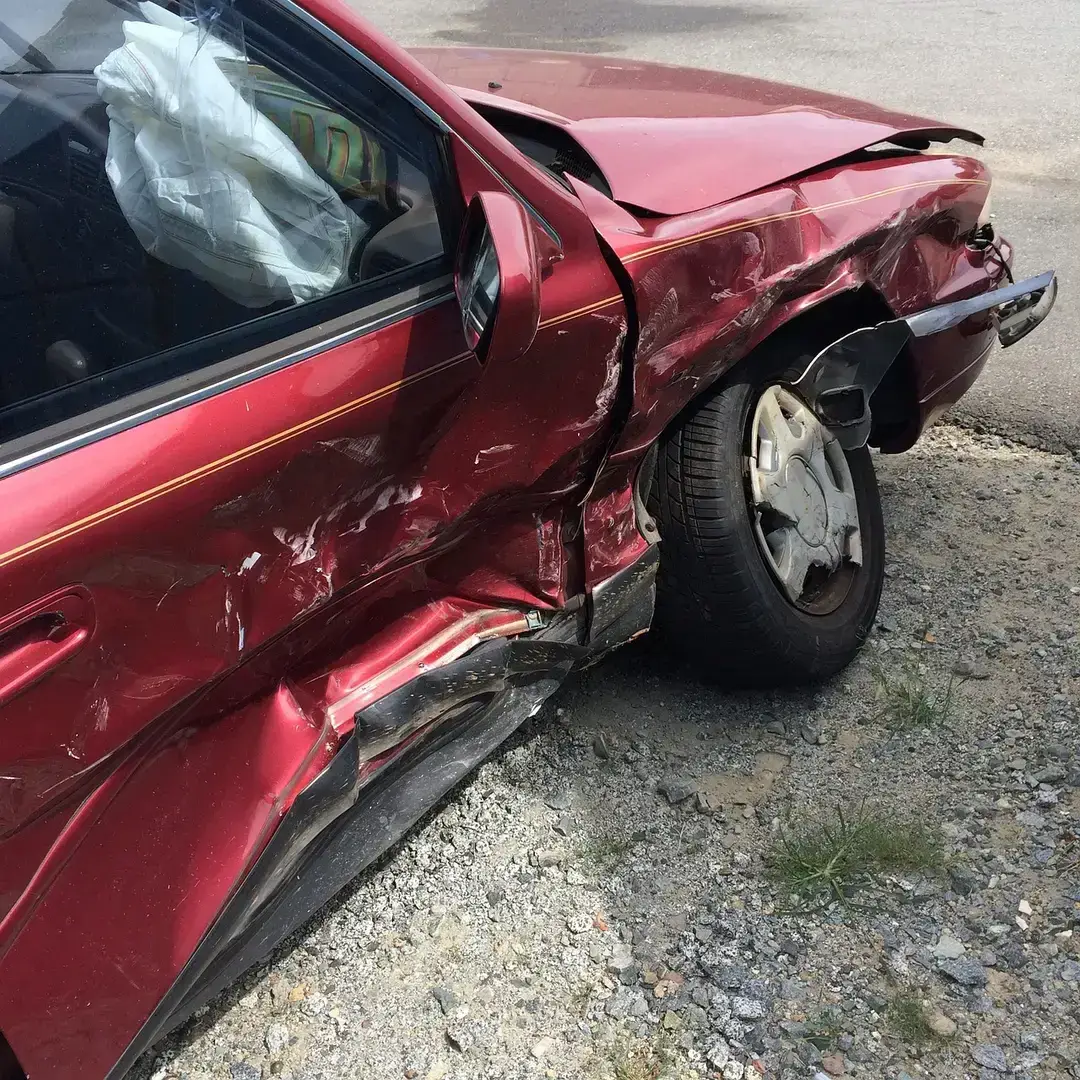
In the 21st century, everything has become fast and advanced; cars are quicker, roads are busier, and life rarely slows down. Yet no matter how developed a country is, deadly car accidents still happen. And the truth is, it’s not always your fault; sometimes it’s negligence on the part of the other driver.
Yes, it’s scary, confusing, and overwhelming. In that moment, hundreds of questions run through your head, “What do I do now? Who do I call? Am I in trouble? Will I get compensation?” A lot of this stress comes from not knowing how the claims process actually works.
To save you from going through all that mindlessly, below are 7 very common questions people usually ask about car accidents, and the answers to them.
1. What should I do right after an accident?
The first thing is to stay calm. Don’t panic and create a scene.
A quick checklist you can follow right after:
- Check if you or anyone else is injured
- Call 911 or local emergency services if needed
- Move to a safe spot (if the car can move)
- Call the police and wait for the report
- Take photos of the scene, vehicles, and surroundings
- Exchange details with the other driver (name, number, insurance, vehicle number)
2. Should I talk to the other driver?
Yes, you can, but keep it as short and polite as possible. Always make sure you exchange basic information like your name, contact number, driver’s license, insurance details, and vehicle number. And another important thing is to avoid arguing or blaming anyone at the incident scene. Because sometimes, even saying a simple “sorry” can be taken later in a twisted way to look like you admitted fault.
3. Do I really need to inform my insurance company?
The answer to this question is yes, 100%, you have to. Even if the accident looks small or the damage is minor, always inform your insurance company. If you intend to hide it now, it can cause serious trouble later for your case. An experienced lawyer can really help guide you on how to file the claim and what documents are required.
4. Will I get compensation for my injuries and damage?
To be frank, in most cases, yes, it covers a larger area. Mainly, your compensation can cover medical bills, repair costs, lost wages, and even the pain and stress you went through. But the thing to note here is that the exact amount largely depends on the accident details, mainly based on who was at fault, and the type of insurance coverage. It is often advised to take legal advice because insurance companies sometimes try to settle for less.
5. How long does it take to settle a car accident claim?
Actually, it depends on the severity of your case. Some cases tend to wrap up within the initial weeks. Others can take months or even years, especially if there are injuries or disputes over fault. Patience is key here, but make sure you keep proper records of all expenses and treatments to speed things up.
6. What kind of evidence might you need to strengthen the case?
See, evidence is the main pillar for your case. The more solid it is, the stronger your case becomes.
- Photos of the accident scene (cars, road, signals, skid marks, weather)
- Police report (this is official and always valuable)
- Medical records and bills (to show injuries and expenses)
- Witness statements (if anyone saw what happened)
- Insurance and vehicle details of the other driver
7. How can I avoid getting stuck in legal issues after the accident?
The best way is to do everything by the book. Report the accident to the police, inform your insurance, and never hide facts. Keep medical records, bills, and photos of the accident scene safely. These small steps save you from big headaches later.
Key Takeaways:
- Car accidents can happen anytime, even if it’s not your fault; it still can happen, so staying calm and knowing the basics helps.
- Getting familiar with the claims process makes things less confusing and gives you clarity on what to do next.
- Evidence is the solid pillar for your case. The more solid it is, the stronger your case becomes.
Further Reading