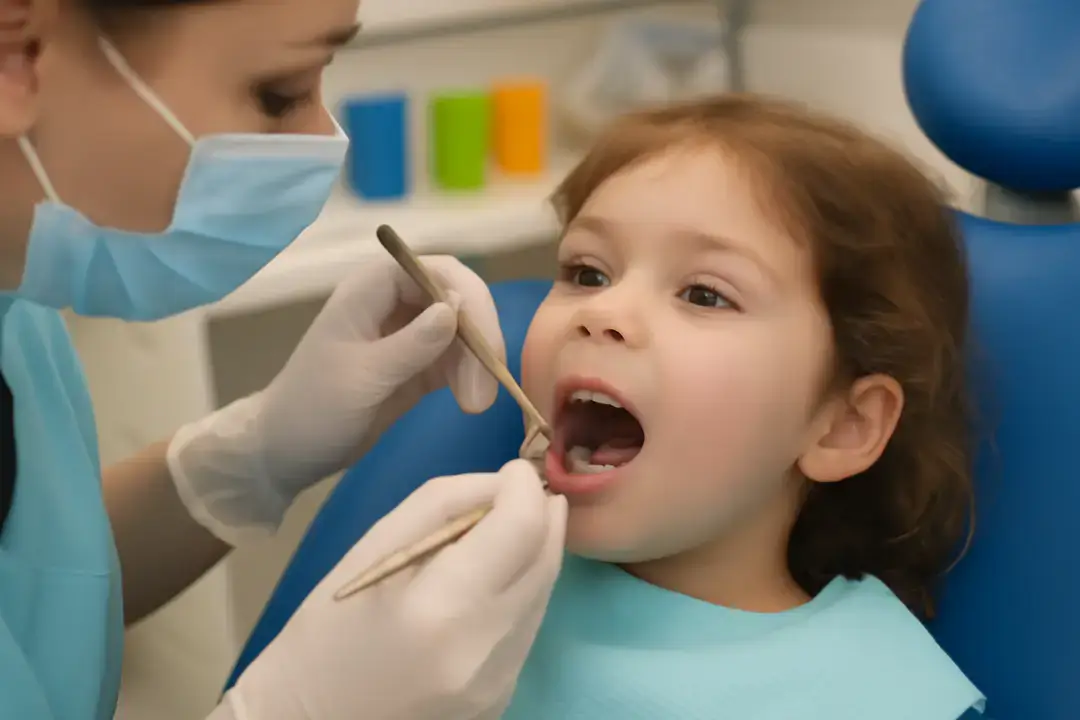
Most Common Pediatric Dental Procedures Explained
Wonder what happens at the dentist for kids?
Taking care of your child’s teeth is very important. Some dental visits may feel a little scary, but they help keep your child’s smile strong and healthy.
From simple check-ups to other treatments, knowing what happens can make things easier for both you and your child. This guide shows you 10 common dental steps for kids. It will help you understand what to expect and why each one matters. Let’s take a look and learn how these steps help your child’s teeth stay healthy.
Let’s get started!
Regular Dental Cleanings
Why are dental cleanings important for kids? These cleanings help stop problems before they start. Dentists clean off sticky plaque and hard tartar that brushing might miss. This helps stop cavities and gum problems. Plaque is soft and sticky, but tartar is hard and needs special tools to remove. If these are not cleaned, they can cause tooth pain or make gums red and swollen.
Kids should get their teeth cleaned every six months. This keeps their mouths healthy and helps them build a routine. Dentists also check for problems like loose teeth or small cavities. They give tips to help with brushing and flossing at home. Cleanings are quick and easy and help kids feel calm at the dentist.
These simple visits help your child feel brave over time. A clean mouth helps your child feel better, eat well, and smile with confidence. Regular care now means fewer problems later.
Fluoride Treatments
Fluoride helps keep your child’s teeth strong and safe. It is a natural mineral that fights cavities. Fluoride makes the tooth’s outer layer stronger, so germs can’t hurt it as easily. The dentist may paint it on or use a foam or rinse. Sometimes it even comes in flavored gels, which kids usually like.
It takes only a few minutes and doesn’t hurt at all. Fluoride soaks into the teeth to make them stronger. It works best when used during check-ups, especially for kids who get cavities easily. Kids with weak enamel or poor brushing habits benefit the most.
Ask your dentist how often your child should get it. Most kids get fluoride two times a year, during their regular visits. Using fluoride toothpaste at home also helps. It’s a simple and safe way to protect your child’s smile and help prevent problems before they start.
Dental Sealants
Dental sealants are a protective coating applied to the chewing surfaces of back teeth, where cavities often occur. They act as a barrier, shielding the enamel from plaque and acids. This simple yet effective procedure is often applied at the children’s dental practice around the age of six or seven when molars emerge.
Sealants can dramatically reduce the risk of cavities in children. Applying sealants is quick, painless, and can last several years, providing peace of mind for parents concerned about tooth decay.
Cavity Fillings
Cavities happen when teeth are not cleaned well or when sugary foods stick to them. Bacteria eat the sugar and make acids that wear down the teeth. If a tooth has a hole, the dentist needs to fix it with a filling. First, they clean out the soft, bad part of the tooth. Then they fill the hole with safe material like white resin or silver.
This helps keep the tooth strong and stops pain. Fillings also stop the cavity from getting bigger. Some children may feel sore after, but it goes away fast. It’s important to treat cavities quickly to keep your child’s teeth healthy.
Teaching kids to brush and floss daily can help them avoid cavities. Cutting down on sugary snacks also helps. But if a cavity happens, a filling is a fast and safe fix that helps your child chew and smile better again.
Pediatric Root Canals
If a tooth is badly hurt or infected, a root canal might be needed to save it. This sounds scary, but it helps stop pain and keep the tooth in place. The dentist removes the damaged part inside the tooth, cleans it out, and seals it up.
Your child won’t feel pain during the treatment because of special medicine. This keeps their bite strong and helps them chew better. It also keeps nearby teeth in the right spot. Most kids feel fine soon after the visit and go home the same day.
Tooth Extractions
Sometimes a tooth needs to come out. This could be because it is too damaged or in the way. Tooth pulling, called an extraction, is simple. The dentist gives a numbing shot to make sure your child doesn’t feel anything.
After the tooth is removed, the area may feel sore for a day or two. Your dentist will explain how to take care of it. Taking out a tooth can make room for others to grow straight. It also helps stop pain or infection from getting worse.
Orthodontic Evaluations
By age seven, a child should have their bite checked by a dentist. This means the dentist looks at how the top and bottom teeth fit together. They also check how the jaws are growing. Early checks can spot problems before they get worse, like crooked teeth or a jaw that’s too small or too big.
If your child needs help, the dentist might suggest tools like spacers, retainers, or even early braces. These help guide the teeth as your child grows so they come in straighter. Fixing small problems early can stop bigger ones later.
Early treatment is often easier and shorter than waiting until your child is older. It can also make your child feel better about their smile and help with chewing or talking. Always ask the dentist what’s best for your child’s mouth. These early visits can lead to a straighter, healthier smile as they grow.
X-Rays
Some dental problems are hard to see with just eye. That’s why dentists use X-rays. These are special pictures that show what’s under the gums and inside the teeth. X-rays help dentists find things like hidden cavities, missing teeth, or jaw problems. They can also show if teeth are growing the right way or if there’s a tooth stuck under the gums.
X-rays are safe for kids and use only a tiny amount of radiation. The dentist covers your child with a heavy apron to keep them safe. Most kids only need X-rays once a year, but some may need them more often.
Dentists don’t take them every visit, just when needed. X-rays give a full look at your child’s mouth so dentists can give the best care. They help catch small problems before they grow big, saving time, money, and keeping your child’s mouth healthy and strong.
Space Maintainers
If a baby tooth falls out too soon, the space where it was can close. This can make it hard for the adult tooth to grow in the right place. A space maintainer holds that spot open. It is a small device that the dentist puts in the mouth to save the space. This gives the new tooth room to grow properly.
Some space maintainers are fixed, meaning they stay in place until the dentist takes them out. Others can be taken out for cleaning or eating. Most kids get used to them quickly. They don’t hurt and are easy to wear. Your dentist will show you how to clean and care for it.
Keeping the space open helps stop teeth from moving to the wrong spot. This can prevent crooked teeth or the need for braces later. Space maintainers may be small, but they play a big role in keeping teeth straight.
Behavior Management Techniques
Many kids feel nervous about going to the dentist, and that’s completely normal. Dentists are trained to help children feel safe and calm during their visits. They may use soft voices, kind words, and smiles. Some dentists play gentle music or give small toys or stickers to help kids feel better.
Each child is different. Some may need more time to feel ready, and that’s okay too. Dentists often explain what will happen in simple steps so the child understands. They may let your child hold a mirror or pick a flavor for their toothpaste.
When kids feel calm, it helps the dentist work faster and more easily. Every positive visit builds trust and makes the next one easier. Over time, your child will feel braver and less scared. Helping your child feel good at the dentist now sets them up for healthy habits that can last a lifetime.
Protecting Your Child’s Smile
Helping your child take care of their teeth starts early. All the treatments in this guide work together to keep your child’s mouth healthy. Regular check-ups, brushing, and healthy eating are also key.
Talk to your dentist about what your child needs at each stage. Strong teeth help kids eat well, talk clearly, and feel good about their smile. Make dental visits fun and positive. With your help, your child can build strong habits for life. A healthy mouth today leads to a brighter tomorrow.
Did you find this article helpful? You can check out our website for more awesome content like this.
Further Reading