
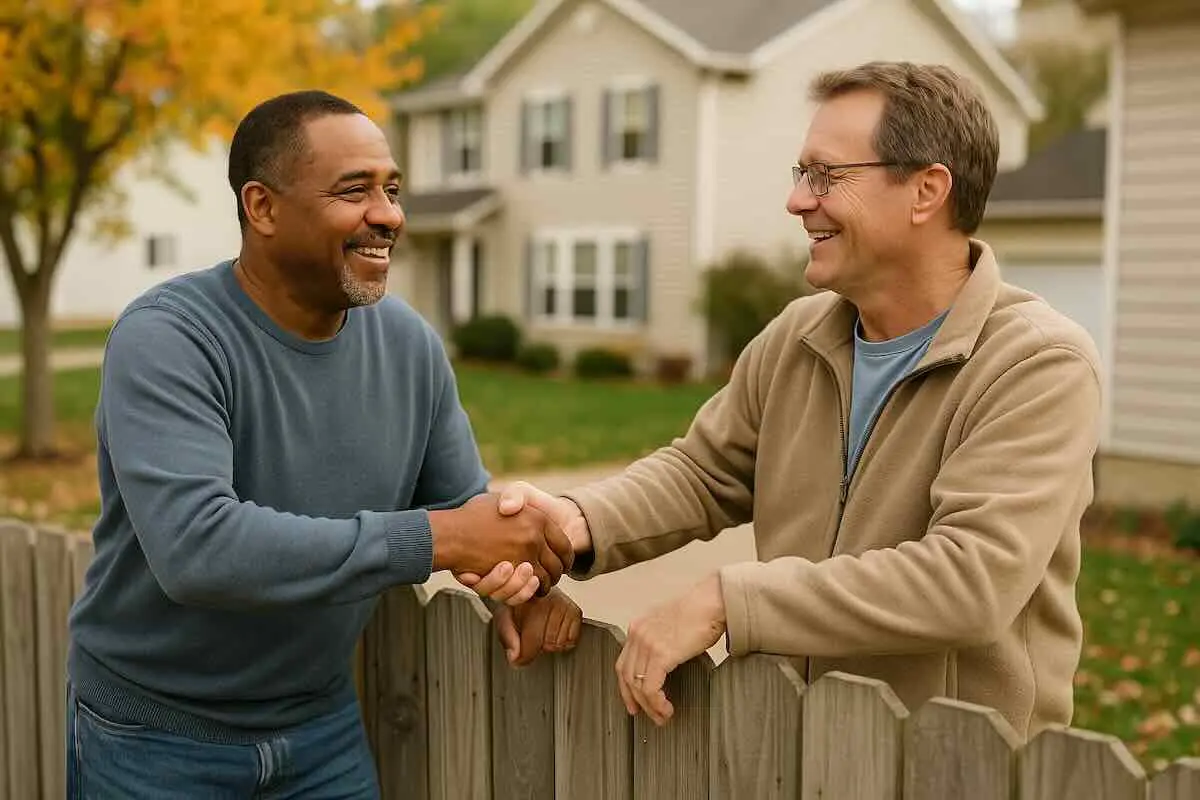
The Psychological Power of Good Neighbor Relationships
In moments of crisis, it’s often not emergency services or distant relatives we turn to first—it’s the people living next door. Neighbors play a pivotal role in our sense of well-being and resilience. Those fortunate enough to live among friendly, supportive neighbors enjoy a stronger sense of safety, community, and emotional stability. In contrast, strained or absent neighbor relationships can contribute to feelings of isolation when support is most needed.
Today, tools like https://peoplesearch.ai/reverse-address-lookup help people explore neighborhood dynamics in advance, giving insights into who lives nearby and helping ensure the community aligns with your lifestyle and social expectations. Choosing the right neighborhood means considering not only property values and amenities but also the potential for forming meaningful social connections.
Why Good Neighbors Matter for Your Mental Health
The emotional benefits of positive neighbor relationships are significant and often underestimated. Mental health experts consistently find that a strong sense of neighborhood connection is linked to reduced symptoms of depression, anxiety, and chronic loneliness. A cohesive neighborhood acts as a vital social safety net, nurturing individual wellbeing and fostering communal resilience.
1. Social and Emotional Support
Reliable neighbors can provide essential emotional reinforcement, especially during hard times. Whether you’re dealing with a loss, facing stress at work, or navigating personal challenges, nearby friends who offer empathy without judgment can make all the difference. These informal support systems create a profound sense of belonging, helping individuals feel seen and supported.
Even everyday conversations or casual gestures—like checking in or offering encouragement—can significantly boost mental wellness and lower stress levels.
2. Everyday Practical Assistance
The value of a helpful neighbor goes beyond emotional support. From babysitting in a pinch to lending a tool or helping carry groceries, practical help from those nearby makes daily life smoother and more manageable. These acts of kindness build mutual trust and encourage collaboration, laying the groundwork for a self-sustaining community.
Shared experiences like potlucks, gardening together, or watching over each other’s homes reinforce a network of interdependence that benefits everyone involved.
3. Feeling Secure and Protected
Knowing that your neighbors are keeping an eye out provides peace of mind. Whether it’s watching your home while you’re on vacation or simply noticing unusual activity, this mutual vigilance reduces stress and helps create a safer environment. Establishing relationships with those around you fosters a natural security system rooted in trust, familiarity, and shared responsibility.
The Social Fabric of Community
Meaningful neighborly bonds often emerge from simple, everyday interactions. A chat at the mailbox, a wave from across the street, or a spontaneous invitation to a backyard barbecue can evolve into lasting friendships. These micro-connections serve as powerful antidotes to isolation and are often the first steps toward a vibrant local network.
Neighbors often become advisors, confidants, and sources of wisdom. They offer perspectives shaped by diverse backgrounds and life experiences, enriching your life in unexpected ways.
How to Find Neighborly Communities
When you’re evaluating potential places to live, the social atmosphere should be as much a consideration as schools or square footage. Look for communities that foster connection and engagement:
- Active community life: Events like block parties, street fairs, or volunteer groups are signs of strong social infrastructure.
- Public gathering spaces: Parks, playgrounds, and community centers serve as natural gathering places.
- Pedestrian-friendly design: Walkable neighborhoods and cul-de-sacs often encourage more spontaneous interaction than high-traffic roads.
- Community longevity: Established neighborhoods may have deeper roots of social connection and traditions than newly built ones.
Becoming a Great Neighbor
Building strong neighbor relationships begins with simple, intentional behavior:
- Show kindness: A genuine hello, remembering someone’s name, or asking how their day went are small acts with big returns.
- Be mindful: Understand and respect shared norms, like quiet hours or communal spaces. Keep pets under control, and be considerate of others’ comfort.
- Stay attentive: Notice changes in the neighborhood—like a new car or an unfamiliar visitor—and engage with curiosity and care, not suspicion.
The Enduring Benefits of Neighbor Connections
In a world increasingly dominated by digital interaction, the human presence of a caring neighbor is more valuable than ever. Strong neighborhood bonds provide emotional grounding, mutual protection, and everyday support—vital ingredients for a balanced, mentally healthy life.
By actively investing in your relationships with those living around you, you’re not merely being friendly—you’re cultivating a support network, enhancing your wellbeing, and contributing to a stronger, more connected community for everyone involved.